What Food Is Boston Known For? Signature Dishes And Where To Eat Them
Boston's food identity runs on two engines: cold Atlantic seafood and a century of Italian-American baking and cooking packed into the North End. Here is what the city is actually known for, dish by dish, and how to taste it.
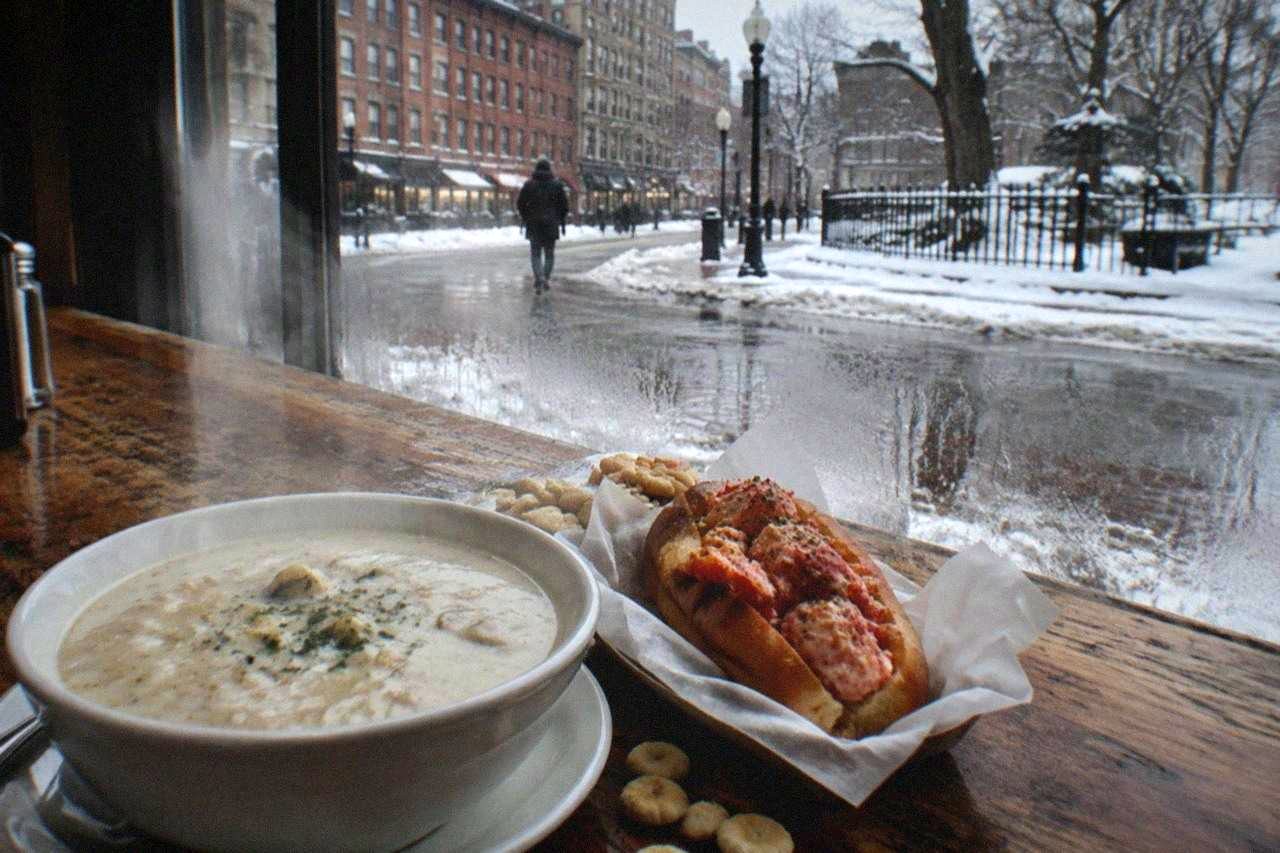
Short answer
Boston is known for clam chowder, lobster rolls, baked beans, cannoli, Boston cream pie, and the pizza and pasta of the North End. Most of it divides between Atlantic seafood and Italian-American pastry traditions, with guided tours from $34 to $169 covering every theme.
What Food Is Boston Known For?
Boston is known for clam chowder, lobster rolls, baked beans, cannoli, Boston cream pie, and the pizza and pasta of the North End. The city's food identity splits into two engines: cold Atlantic seafood, chowder and lobster above all, and a century of Italian-American pastry and pasta tradition packed into a few dense blocks near the harbor.
The two halves of that answer barely overlap in geography. Seafood belongs to the waterfront and the Seaport, where the working fishing pier has operated since 1910, and to the oyster bars of the downtown core. The Italian side belongs almost entirely to the North End, a neighborhood that has been largely Italian since the 1890s and still supports more bakeries per block than almost anywhere in the United States.
Around those anchors sit the supporting dishes: baked beans, the food that gave the city its "Beantown" nickname; frankfurters and brown bread; roast beef sandwiches, a point of regional pride; and a fast-growing craft beer scene that behaves more like a food category than a drink one. Visitors who arrive expecting one famous dish usually discover three or four, then struggle to fit them into a short stay.
This guide walks through each signature food, explains where it actually comes from, and points to where you can taste it, including the guided tours that bundle several dishes into a single walk. If you want the deeper version of one theme, the piece on the Boston food bucket list expands each of these into a full eating plan.
| Signature food | Where it comes from | Where to eat it best |
|---|---|---|
| Clam chowder | Atlantic fishing trade, colonial-era origins | Seaport, Quincy Market, downtown oyster bars |
| Lobster roll | New England summer shack tradition | Seaport and waterfront shacks, North End oyster counters |
| Cannoli | Sicilian pastry tradition, North End since the 1930s | Hanover Street bakeries: Mike's, Modern, Bova's |
| Boston cream pie | Invented at the Parker House hotel downtown | Downtown hotel restaurants, North End cafes |
| North End pizza | Neapolitan and coal-oven tradition since 1926 | Hanover and Salem Streets, North End |
| Baked beans | Colonial Saturday-night slow cooking | Historic menus, some Quincy Market counters |
Why Is Clam Chowder Boston's Signature Dish?
Clam chowder is Boston's signature dish because the city sat at the center of the Atlantic fishing trade that supplied it, and because New England's creamy, potato-based version became the regional standard that the rest of the country now copies. Chowder here is a working-class fisherman's meal that turned into a menu staple served everywhere from harbor shacks to hotel dining rooms.
The dish is older than the country. Fishermen along the New England coast were thickening stews with salt pork, potatoes and clams well before Boston's harbor became the commercial hub of the trade, and the recipe traveled inland with the fish trade that the city's piers controlled. The creamy white chowder that Boston made standard is deliberately distinct from the tomato-based Manhattan version, a rivalry New Englanders still treat as a small moral question.
What makes Boston's chowder distinctive today is less a single recipe than a supply chain. The Boston Fish Pier in Seaport has been the landing point for the region's catch since 1910, and it remains the oldest continuously operating commercial fish pier in the United States, with roughly 19 to 20 seafood businesses still trading on the site. Restaurants across the city sit a short truck ride from that pier, which is why a bowl here tastes of the week's actual catch rather than a frozen base.
You can taste chowder almost anywhere downtown, but the honest way to do it is alongside the dishes that share its supply chain: oysters, scallops, fried clams and the lobster roll. The Seafood & Chowder History Walk covers exactly that cluster, a 2 hour 45 minute tour from $169 that starts in the North End and pairs the food with the history of the waterfront that produced it. For a full portrait of the seafood side of the city, read the Boston seafood tour guide.
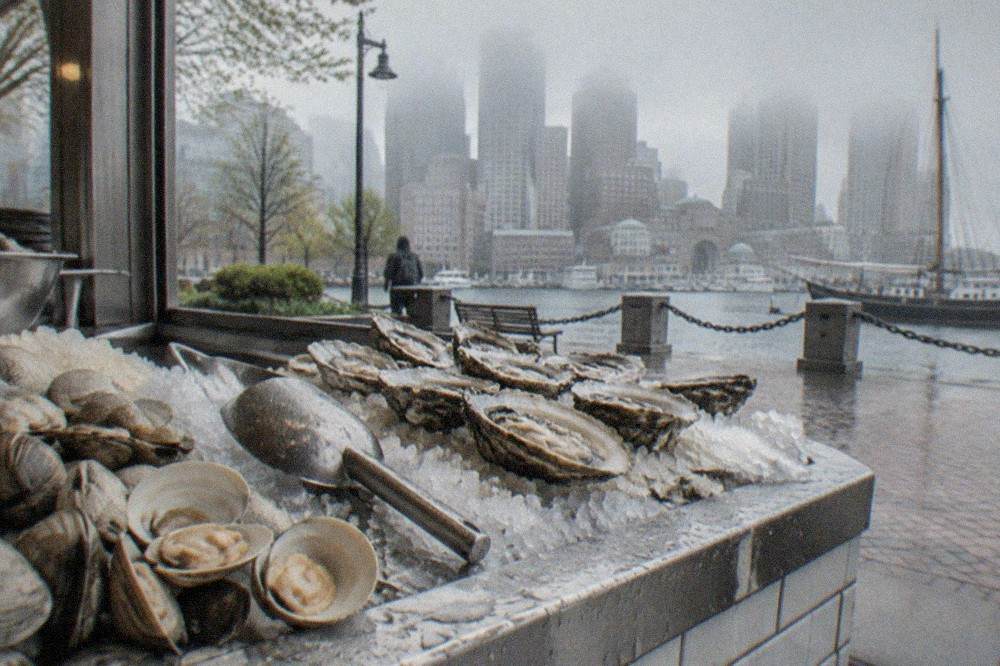
The other thing worth knowing about chowder is when not to eat it. Locals will tell you the dish improves in colder months, when the shellfish is firmer and the weather earns the cream, and that a July chowder in a tourist district is a different product from a February one in a neighborhood spot. The pier's seasonal Saturday Fish and Farm Market, which runs from early June through late October, is a good midpoint: local produce, fresh seafood and a working-pier atmosphere in one stop.
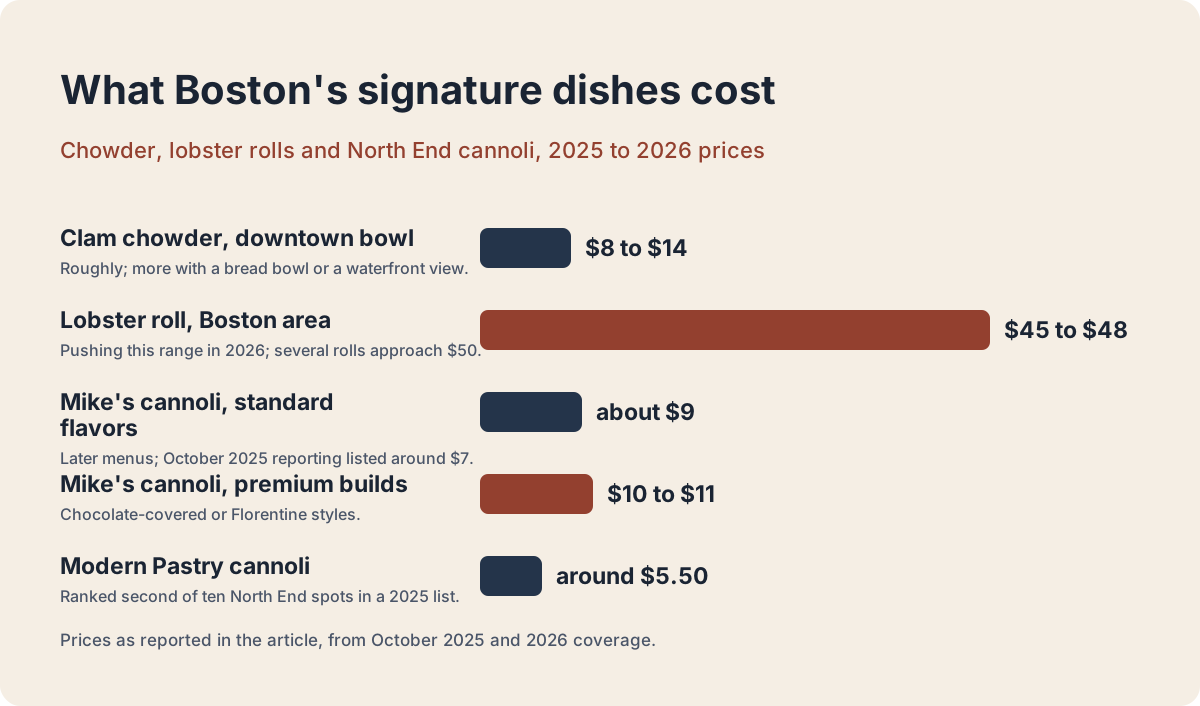
For planning purposes, expect chowder to run roughly $8 to $14 a bowl downtown, more with a bread bowl or a waterfront view. Tour tastings usually fold it into a multi-stop ticket, which is one reason many visitors prefer the guided route over chasing individual counters.
Is The Lobster Roll Really Worth The Hype?
The lobster roll is worth ordering in Boston because the city sits inside the supply chain that produces it, but prices have risen sharply: rising fuel and labor costs pushed live lobster toward $17 a pound in 2026, and several Boston-area lobster rolls now approach $50. The roll is best treated as the single splurge dish of a trip rather than an everyday lunch.
A lobster roll is a simple construction: cooked lobster meat, a little butter or mayonnaise, and a grilled split-top bun. The two styles are hot with butter, or cold with mayo, and Bostonians argue about them the way the city argues about everything else edible. The quality question is almost entirely about the meat: fresh, picked by hand, and not stretched with celery or filler.
What changed recently is the price. Late May 2026 reporting put live lobster about $2 per pound higher year over year, with restaurant rolls around Boston pushing $45 to $48 and some exceeding that, against roughly $16 to $18 in prior years. Maine's catch has declined for four consecutive years, its 2025 harvest the lowest since 2008, and diesel cost spikes have kept the pressure on. None of that has dented demand much; Boston diners, by most accounts, are still buying.
Massachusetts landings tell a steadier story: the 2025 catch reached 17.6 million pounds valued at $118 million, up about 14 percent from a recent low in 2022. That state-level supply is why Boston's rolls, even at a premium, remain better priced than what most of the country pays for the same sandwich shipped inland.
Where you buy matters. The classic shacks and counters cluster along the waterfront and in the Seaport, near where the catch lands, and the North End contributes a famous oyster counter with its own hot-buttered version. The Seafood & Chowder History Walk includes a full-size lobster roll within its route, which softens the arithmetic: the from-$169 ticket covers chowder, lobster and the history between the stops. It runs 2 hours 45 minutes, rates 4.8 from 237 reviews, and, like most of the city's in-demand listings, it often books up, so the free-cancellation terms are worth having when you lock a date.
That covers the Atlantic half of Boston's food identity in one walk. The other half, the pastry-and-pasta half, lives across the harbor in the North End, and it deserves the same depth of treatment.
Why Is The Cannoli Such A Big Deal In Boston?
The cannoli is a big deal in Boston because the North End, largely Italian since the 1890s, turned a Sicilian pastry into a civic institution, with three rival bakeries, Mike's Pastry, Modern Pastry and Bova's, sustaining a friendly decades-long debate over who makes it best. Tourists line up at Hanover Street for the big filled-to-order shells, while many locals defend the smaller, more traditional versions across the street.
The rivalry is real and specific. A 2025 ranking of ten North End cannoli spots placed Modern second and Mike's fourth, and the debate over the verdict still generates columns, social posts and standing arguments at the counter. Mike's wins tourists with the larger shell and the enormous flavor list, including trendy options like Dubai chocolate and pumpkin spice that rotate with the season. Modern wins locals with the smaller, richer filling and the closer-to-Sicily texture. Bova's, the third leg of the triangle, is the practical one: open 24 hours, family-owned, and known for lobster tails and arancini alongside the cannoli.
The scene is also moving. Bova's marked its 100th anniversary in August 2026 with a free cannoli giveaway that drew the mayor and crowds for two days, and Mike's opened its fifth location in Logan Airport's Terminal C on September 23, 2026, hours 5 a.m. to 10 p.m., with filled-to-order cannoli, lobster tails and an espresso bar. The airport counter is aimed squarely at travelers: the last Boston taste before a flight, or the first one after landing.
Prices remain modest for the quality. Reporting in October 2025 listed Mike's cannoli around $7 each and Modern's around $5.50, with later menus showing Mike's standard flavors at about $9 and premium builds like chocolate-covered or Florentine at $10 to $11. Most North End locations are cash-only, which catches plenty of visitors off guard, so bring bills.
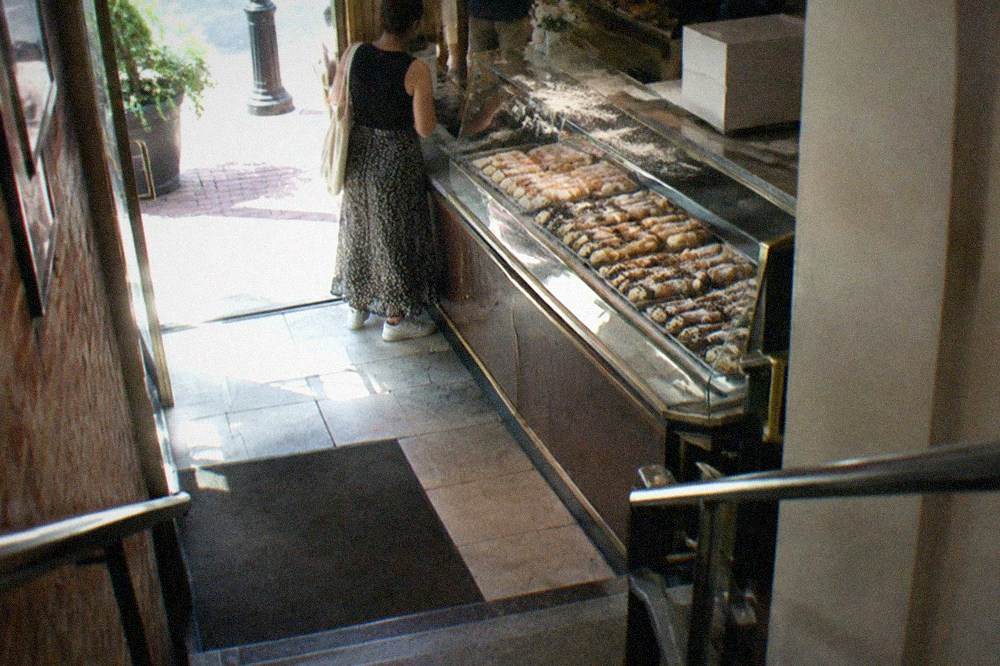
If you want the debate settled with your own taste test, the guided route does it efficiently. The Small-Group Italian Heritage Walk, from $70.40 and 2 hours, weaves the bakeries into a walk that also covers the neighborhood's history; 4.9 from 1,663 reviews makes it the most-reviewed tour on the city's roster, and it often books up in peak season. The dedicated Boston cannoli tasting guide goes deeper on the pastry side if that is the dish you came for.
What Is Boston Cream Pie, And Why Is It From Here?
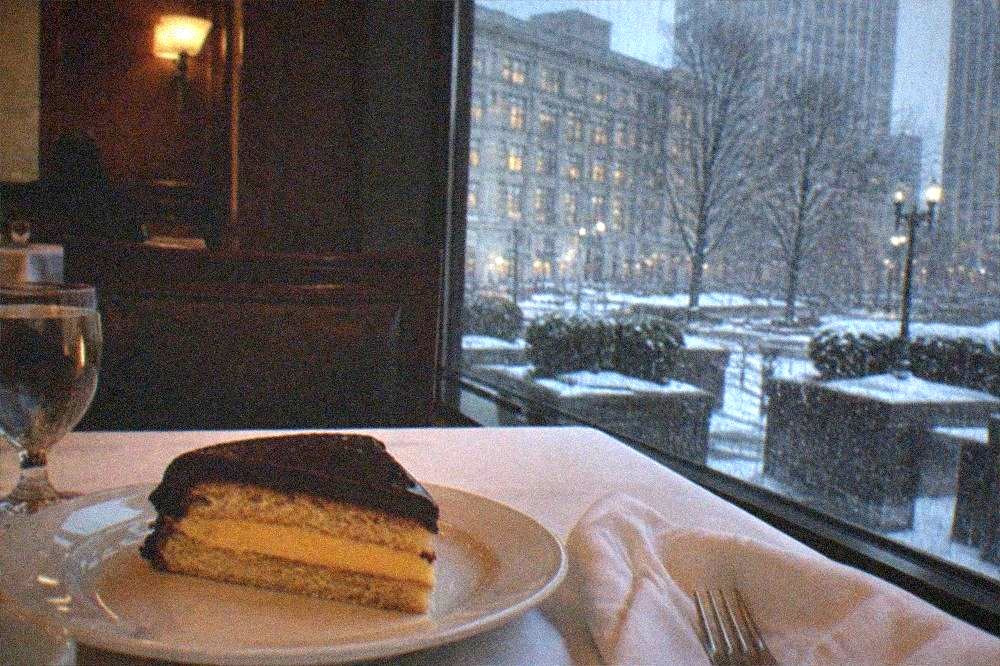
Boston cream pie is a sponge cake layered with vanilla custard and glazed with chocolate, invented at the Parker House hotel in downtown Boston, and it became so definitive that Massachusetts named it the official state dessert. Despite the name, it is a cake, and the "pie" label survives only because early New England bakers used the same pans for both.
The Parker House, today's Omni Parker House on School Street, has served the original since well before living memory, and the hotel's kitchen is also credited with inventing the Parker House roll, a buttery folded dinner bun that still appears on Boston bread baskets. That makes one downtown hotel responsible for two of the city's most copied foods, a fact that surprises visitors who assume both were imported. The rest of the planning pages sit on Boston Food Tours.
The pie sits in a different category from chowder and cannoli. It is not a street food and not a bakery-counter item; the definitive versions live in hotel restaurants and old-school dining rooms, and the North End's cafes offer respectable riffs on the theme rather than the original. If your trip is short and dessert-focused, the cannoli will deliver more per dollar, but the cream pie is the dish with the deepest claim to being invented here, in this exact city, and tasting it in the building that created it has its own weight.
Two practical notes. First, order it where the kitchen makes it fresh rather than where it has sat under glass; the custard is the part that ages badly. Second, it is a heavy finish, so plan it after a light dinner rather than after a full seafood feast. The cream pie rarely appears on walking tours because it needs a plate and a fork, which is one reason the pastry tours lean on portable cannoli instead.
The other homegrown dishes worth a mention: baked beans, the slow-cooked Saturday dish behind the Beantown nickname, generally found now on historic menus and Quincy Market counters rather than in daily home kitchens; frankfurters with brown bread, the traditional bean-night companion; and the Italian-American roast pork and arancini of the North End, which arrive via the same migration that built the pastry scene. None of these need a dedicated pilgrimage, but a bowl of beans at a market counter is the cheapest history lesson in the city.
Is North End Pizza Part Of Boston's Food Identity?
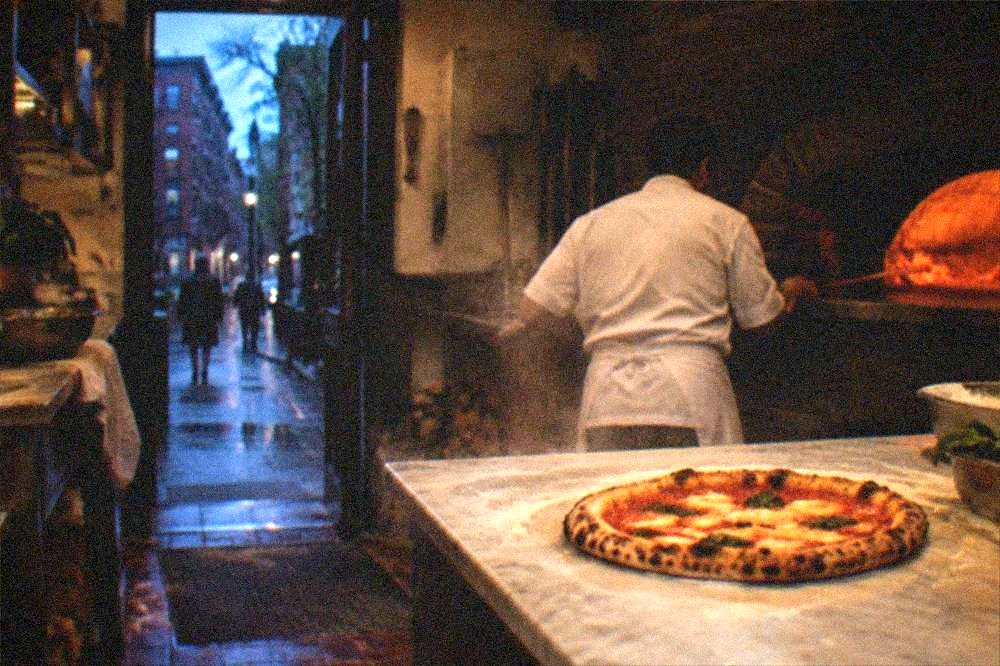
North End pizza is absolutely part of Boston's food identity: the neighborhood has been baking Neapolitan-style and coal-oven pizza since at least 1926, when Regina Pizzeria opened and its original oven is still in use. The North End's Italian table as a whole, pizza, pasta, salumeria goods and pastry, is the second pillar of what Boston is known for, and it is the densest concentration of the city's food culture.
Regina Pizzeria, opened in 1926 and still firing its original coal-to-gas converted oven, is the anchor claim, but the neighborhood's pizza culture goes well beyond one institution. The blocks around Hanover and Salem Streets hold classic pizzerias, contemporary trattorias like Bricco with its adjacent salumeria and panetteria, and the oldest restaurant in the historic North End, Cantina Italiana, started in 1931. The Pizza & Italian Classics Walk, from $69 and 2 hours, builds a tasting route around exactly this cluster.
Pasta deserves equal billing. The North End is one of the few American neighborhoods where a fresh pasta shop, a cheese counter and a bakery can sit within fifty feet of each other, all run by families that have supplied the restaurants around them for generations. That supply density is why the neighborhood's trattorias can serve fresh-cut pasta at midrange prices, and why food writers keep returning to the same short list of streets.
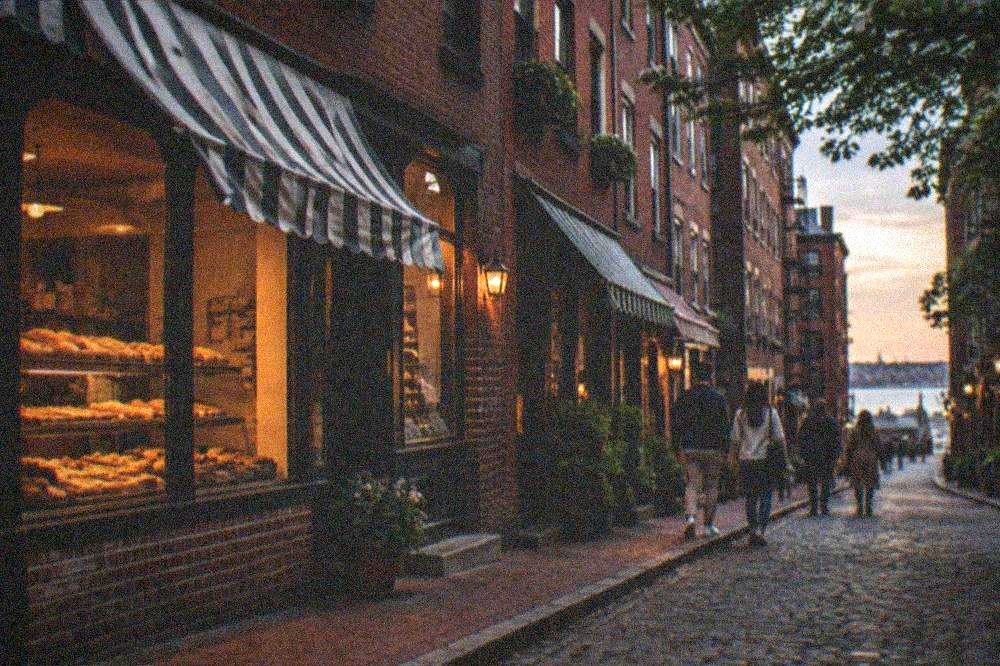
The honest advice for visitors is to treat the North End as a full meal rather than a single dish. A morning here can take in espresso, pastry, a slice, a salumeria sandwich and a pasta lunch inside six blocks, which is precisely why guided tours cluster here: it is the one Boston neighborhood where a two-hour walk genuinely covers a complete food education.
| North End institution | What it is known for | Standing claim |
|---|---|---|
| Regina Pizzeria | Coal-oven pizza since 1926 | Original oven still in daily use |
| Cantina Italiana | Old-school Italian dining since 1931 | Oldest restaurant in the historic North End |
| Modern Pastry | Traditional cannoli, family-run since the 1930s | The locals' pick in the cannoli rivalry |
| Mike's Pastry | Filled-to-order cannoli, wide flavor list | The tourist favorite, now five locations |
| Bova's Bakery | Lobster tails, arancini, 24-hour service | Marked 100 years in August 2026 |
For dessert-led versions of the same streets, the Cocktails & Cannoli Dessert Walk, from $125 and 2 hours, pairs the pastry counters with a cocktail, 21 and over implied by Massachusetts law, which sets the drinking age at 21 statewide. The full picture of the neighborhood, including where residents actually eat, is in the piece on where locals eat in the North End.
Is Boston A Craft Beer City Too?
Boston functions as a craft beer city more than most visitors expect. Samuel Adams, one of the largest craft producers in the United States, brews at its Boston Brewery in Jamaica Plain, Harpoon runs a Seaport taproom with tours at $15, and Massachusetts counted roughly 205 active breweries in recent data, even as closings outpaced openings through 2025 and early 2026.
The Samuel Adams Boston Brewery at 30 Germania Street is the anchor stop. It operates daily from 11 a.m. to 9 p.m., with guided options running about 45 minutes: the Sam Signature Experience at $15, the Beyond the Brewhouse tour at $30 for those 21 and over, and a beer and cheese pairing at around $40 in the Bier Keller. Harpoon's Seaport location offers tastings and tours at $15 per person seven days a week, with a Beer Hall serving pretzels and pizzas alongside the taps.
The state's brewery landscape is in a correction phase. Massachusetts saw three openings and six closings in 2025, and 2026 brought two more closings with no new openings through the research window, including the announced closure of Old Colony Brewing in Whitman after October 3, 2026. The guild nonetheless anticipates up to ten new breweries opening across the coming two years, and new state legislation now allows Massachusetts brewers to sell directly at farmers markets.
Boston's beer culture also moves seasonally in ways worth planning around. Harpoon hosts its Octoberfest on October 2 and 3, 2026, marking the brewery's 40th anniversary with a daytime festival and a new nighttime event. Trillium opened a waterfront beer garden at Boston Harbor Hotel in May 2026 after its longtime Greenway garden did not return, so the outdoor drinking map shifted this year.
The guided option bundles the logistics. The Craft Brewery Tour with a Snack, from $105 and 3.5 hours, 4.9 from 28 reviews, covers transport between breweries, and the Brewery, Winery and Distillery Tour with a Meal, from $124, adds the other two crafts plus food. The dedicated Boston brewery guide compares them in full.
Which Tour Best Matches The Food You Came For?
The tour that best matches your craving depends on the dish: the Small-Group Italian Heritage Walk at from $70.40 covers cannoli and the Italian table, the Seafood & Chowder History Walk at from $169 covers chowder and lobster, and the Cocktails & Cannoli Dessert Walk at from $125 covers the pastry rivalry with a drink in hand. Roughly half of the city's bookable food tours concentrate on the North End, which mirrors where the food identity actually lives.
The numbers behind that summary, drawn from the verified tour roster for the city, break down cleanly by theme and budget:
| Tour theme | Best fit | Price from | Duration | Rating and reviews |
|---|---|---|---|---|
| Small-Group Italian Heritage Walk | First visit, full North End overview | $70.40 | 2 hours | 4.9 from 1,663 reviews |
| Pizza & Italian Classics Walk | Pizza-first eaters | $69 | 2 hours | 4.8 from 133 reviews |
| Seafood & Chowder History Walk | Chowder and lobster roll | $169 | 2 hours 45 minutes | 4.8 from 237 reviews |
| Cocktails & Cannoli Dessert Walk | Pastry fans, 21 and over | $125 | 2 hours | 5.0 from 310 reviews |
| Downtown Donuts & Cider Tour | Families and sweet tooths | $70 | 2 hours | 5.0 from 1,392 reviews |
| Morning Coffee Walk, Salem day trip | Budget morning, coffee-led | $34 | 1 hour 45 minutes | 5.0 from 93 reviews |
| Craft Brewery Tour, Snack Included | Beer travelers | $105 | 3.5 hours | 4.9 from 28 reviews |
Reading that table honestly matters more than the marketing copy around it. The 5.0 from 310 reviews on the Cocktails & Cannoli walk is a genuinely strong score with a real pool behind it; the 5.0 from only 3 reviews on the Brewery, Winery and Distillery Tour with Meal is too new to trend, and this site says so plainly rather than dressing it up as a proven favorite. Ratings only mean something when the review count stands behind them.
The overlap question also deserves honesty. If you take the Italian Heritage Walk and then the Pizza & Italian Classics Walk on the same trip, you will eat some of the same blocks twice, and a shared table at a trattoria can replace a second tour entirely. The piece on whether a Boston food tour is worth it works through that arithmetic, and the one on what a two-person food tour costs handles the sharing question for couples.
Two timing notes that apply to every theme at once. The North End's summer feast season, including the 107th Saint Anthony's Feast from August 27 to 30, 2026, draws enormous crowds, with Saint Anthony's alone attracting more than 250,000 people over its run; a tour in that window books early and walks slowly. And several of the most in-demand listings, the Italian Heritage Walk among them, sell out regularly, so the standard advice holds: pick the theme first, book the date second, build the rest of the eating around it.
One structural fact ties the whole picture together. A Boston Planning and Development Agency report found North End visits down 8.5 percent in 2024 and 7.7 percent in 2025 compared with 2019, even as in-person spending rose, meaning the neighborhood is busy with people who came to eat. The city's food identity is not a tourist overlay on a quiet district; it is the district's working economy, which is exactly why a guided introduction works so well here. For the complete cost picture before you commit, see how much Boston food tours cost.
Common Questions About Boston's Signature Foods
What food is Boston known for?
Clam chowder, lobster rolls, cannoli, Boston cream pie, baked beans and North End pizza. The seafood dishes come from the Atlantic fishing trade centered on the Boston Fish Pier, while the cannoli, pizza and pasta traditions come from the North End, largely Italian since the 1890s.
Where should I eat my first cannoli in Boston?
On Hanover Street in the North End, where Mike's Pastry and Modern Pastry anchor the classic rivalry, and Bova's nearby stays open 24 hours. Mike's offers the larger shells and the widest flavor list, including current trends like Dubai chocolate and pumpkin spice; Modern is the traditionalist's pick. Most North End locations are cash-only.
Is the North End the best neighborhood for food in Boston?
For the dishes Boston is famous for, yes: it concentrates the pastry shops, pizzerias, salumerias and trattorias that define the city's Italian food identity inside a few walkable blocks. Chinatown is the strong alternative for dim sum and dumplings, and the Seaport leads for seafood, so the honest answer depends on which signature food you came for.
Can I taste all of Boston's famous foods in one day?
You can taste most of them, but the full list works better across two days. One realistic day: a chowder and lobster roll at the waterfront, a North End pasta lunch, cannoli from two rival bakeries, and an evening slice. Guided tours compress the same ground, with two-hour options covering the North End from $69 and seafood walks from $169.
What drink is Boston known for?
Craft beer, led by Samuel Adams, whose Boston Brewery in Jamaica Plain offers tours from $15, and Harpoon in the Seaport at $15 with a Beer Hall serving pretzels and pizzas. Boston also carries a serious cocktail tradition, and the Cannoli and cocktail dessert walk, from $125, pairs the pastry side with the bar side. All alcohol in Massachusetts is 21 and over.