Getting Around Boston Without A Car For A Food Tour
How to reach every Boston food tour neighborhood without a car: walking distances between the North End, Chinatown and the waterfront, the subway leg to Cambridge, the commuter rail trip to Salem, and how to time your meeting point.
Getting Around Boston Without A Car For A Food Tour
No, and in most cases a car works against you. Boston's food tour neighborhoods sit in a compact downtown core: the North End, Chinatown, and the Freedom Trail corridor are all within a short walk of one another. Cambridge adds one subway ride across the river, and Salem is about 30 minutes from North Station by commuter rail. The tours themselves are walking experiences, so a car mostly buys parking headaches.
That last point is worth dwelling on, because it shapes the whole day. A Boston food tour is not a bus tour with restaurant stops. The products on this site run between one and three and a half hours, and every one of them moves on foot between tastings. You are already paying, in other words, for a slow, guided walk through a neighborhood. Renting a car to reach a walking tour is a strange kind of double booking: the car sits parked for the entire experience while you are out eating your way down a street that was laid out before cars existed.
The geography rewards this. Boston's colonial street grid never straightened itself out for automobiles, and the neighborhoods that carry the food reputation, the North End, Chinatown, the Seaport waterfront, the downtown donut and dessert corridor, all sit clustered at the center of it. Parking in these areas is scarce and slow to find. Guides, meanwhile, start from meeting points chosen precisely because they are easy to reach without driving.
The practical takeaway is that your planning problem is not "how do I drive there." It is "how do I sequence the neighborhoods so I am not backtracking." This guide walks through each tour territory on the roster, how to reach it without a car, and how much time to budget for the transit legs, of which there are remarkably few.
How Do You Get To The North End For A Food Tour?
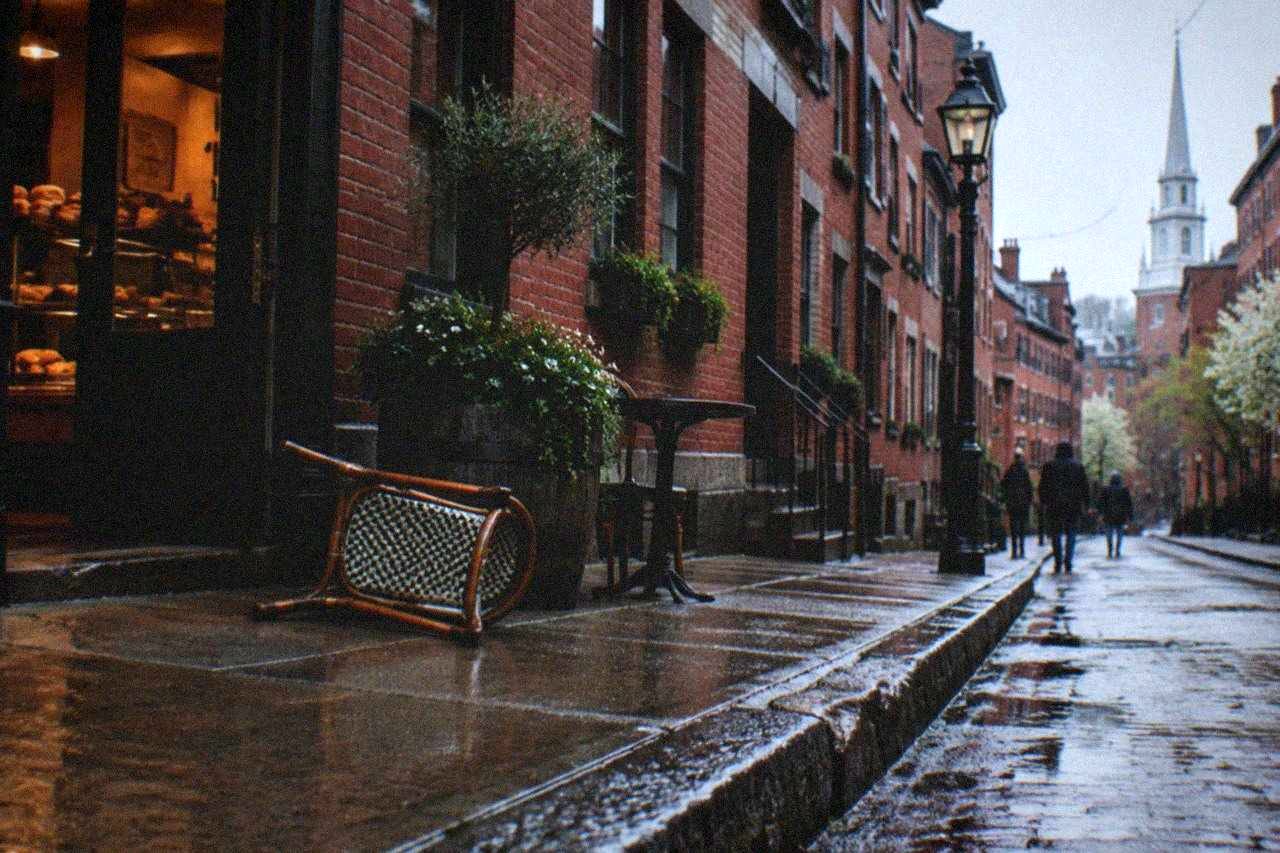
The North End sits at the edge of downtown, and most visitors reach it entirely on foot. From Faneuil Hall and Quincy Market it is a short walk across the Greenway into the neighborhood, and from most downtown hotels no transit is needed at all. Once inside, everything runs at pedestrian scale: the bakeries, salumerias, and tour stops cluster within a few minutes of one another on narrow streets built long before cars.
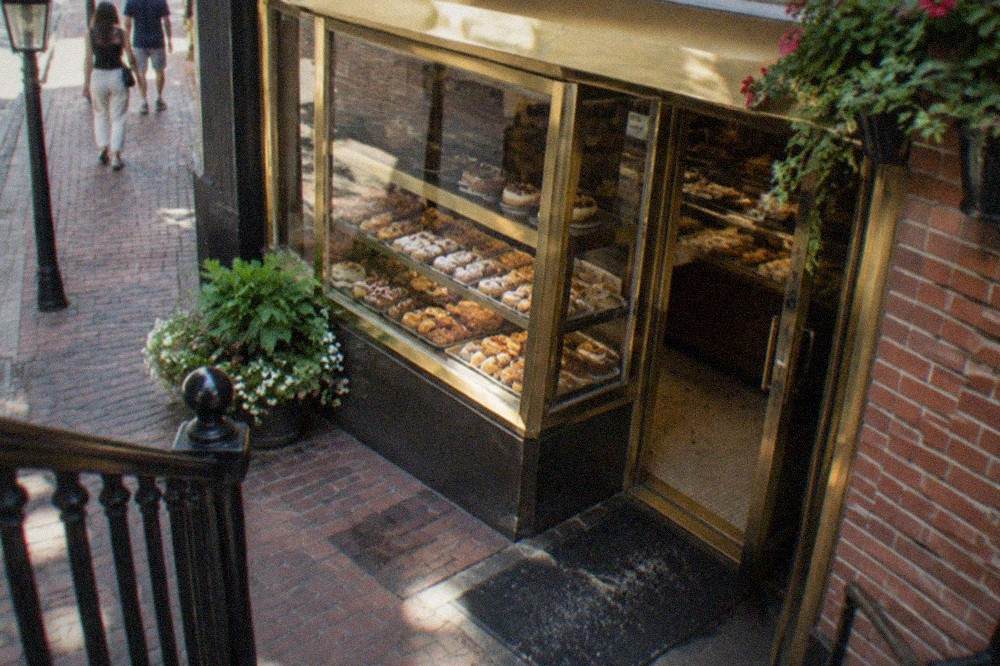
This is the easiest neighborhood on the roster to reach, and it holds the deepest tour selection. The North End is one of Boston's oldest neighborhoods, wharfed out early in the city's history and home to wealthy merchants and seamen before waves of Irish and then Italian immigration reshaped it; it has been a largely Italian community since the 1890s. That century-plus of Italian settlement is why four different bookable tours work the same square half mile of Hanover and Salem Street without exhausting it.
The walk in from downtown is part of the pleasure. You pass Faneuil Hall, built and gifted to the town in 1742 as a marketplace and public meeting space and now a National Historic Landmark within Boston National Historical Park, per the National Park Service. Quincy Market beside it, constructed between 1824 and 1826 as an expansion of market space, still functions as a food hall. Many tour-goers use this corridor as their warm-up walk, grabbing a coffee before their meeting point two streets north.
The four North End tours differ in pace and inclusions, which matters for planning your walking day:
| Tour | Duration | From (per person) | Rating and reviews |
|---|---|---|---|
| Small-Group Italian Heritage Walk | 2 hours | $70.40 | 4.9 from 1,663 reviews |
| Pizza & Italian Classics Walk | 2 hours | $69 | 4.8 from 133 reviews |
| Six-Tasting Little Italy Walk | 2-3 hours | $86 | 4.8 from 306 reviews |
| Wine & Limoncello, 3-Hour Walk | 3 hours | $100 | 5.0 from 518 reviews |
The flagship option here is the Small-Group Italian Heritage Walk, 2 hours, from $70.40, carrying a 4.9 rating from 1,663 reviews, the largest review pool on the entire roster. It is also flagged as often booking up, which is a scheduling note more than a marketing one: if this is your anchor tour for the day, lock its start time first and build the rest of the car-free itinerary around it.
One North End logistical note that has nothing to do with transit: the neighborhood's pastry counters are famously cash-favored, and weekend lines at the flagship bakeries are longest in the afternoon. A morning tour start lets you duck the peak, and the walk home through downtown afterward costs you nothing but digestion time.
How Do You Reach Chinatown And The Freedom Trail Meeting Points?
Chinatown and the Freedom Trail meeting points sit side by side in downtown Boston, and both are walkable from the city core. Chinatown is one of the most compact food neighborhoods anywhere in the city, with short blocks and eateries clustered within a few streets of one another. The Freedom Trail corridor runs through downtown, so a combo tour rarely requires any transit beyond the walking itself.
From the North End, Chinatown is a straight walk south through downtown, and from most downtown hotels it is closer than the North End. Nothing about reaching either meeting point involves a vehicle. The Dumplings & Dim Sum Walk covers the neighborhood in 2.5 hours from $135.45, with a 5.0 rating from 22 reviews, a small but unblemished pool that reflects a newer listing rather than a thin product. It is flagged as often booking up, so if dim sum is the goal, book it with the same seriousness as the North End flagship.
The Freedom Trail option pairs food with the walk between landmarks. The Food & History Combo Walk runs 3 hours from $135.45 with a 5.0 rating from 45 reviews, moving along the downtown trail corridor with tastings built in. Because the trail is a walking route by design, the tour and the transportation are the same thing. This is the purest expression of the car-free logic: you buy a tour whose entire mode of getting around is your own two feet.
For travelers staying in Back Bay or the Seaport rather than right downtown, the rule is simple: allow a little more walking time, not a car. Both neighborhoods feed into the downtown core on foot or with one short subway hop, and the meeting points for these tours sit inside that core.
How Do You Get To Cambridge For A Harvard Square Food Tour?
Cambridge sits across the Charles River, and Harvard Square has its own subway station with direct service from downtown Boston, so no car is involved at any point. The ride is short, and once you surface in the square the food stops cluster in a few compact blocks around the station, which keeps the tour itself an easy walk rather than a hike.
This is the first itinerary on the roster that genuinely requires a transit leg, and it is a gentle one. The subway crossing from downtown Boston to Harvard Square takes minutes rather than the better part of an hour a rental car, parking search included, would eat. The square itself is dense with the student-city eating culture you would expect around a major university, and the two tours here are built for it.
The Harvard Square Donut Adventure is the family-friendly pick: 1.5 to 2 hours, from $69.75, with a 5.0 rating from 56 reviews. The Harvard Square Chocolate Walk is shorter at 1.5 hours and cheaper at from $60, and its rating sits at 4.3 from 15 reviews, a modest pool that is exactly as many reviews as it sounds like; it is a solid budget option, not a proven crowd favorite. For a fuller picture of the neighborhood's dining beyond the tours, our Cambridge and Harvard Square food guide covers the restaurants worth booking around your tour slot.
Timing a Cambridge tour from a Boston base is the one place travelers routinely cut it too close. The subway ride is short, but you need to account for getting to your boarding station from your hotel, plus the walk from Harvard Square's station to the meeting point. Build the trip as "hotel to station to square," not as "hotel to square," and the arithmetic usually lands at a comfortable early arrival.
Is Salem Doable Without A Car?
Yes, and it is one of the easiest day trips in the region to do by rail. Salem sits roughly 16 miles from Boston, and MBTA commuter rail runs from North Station to Salem in about 30 minutes. The Morning Coffee Walk there takes just 1 hour 45 minutes, so a Salem morning pairs naturally with an afternoon back in Boston.
The city of Salem's own business and economic development pages confirm the rail connection and the roughly 16-mile distance from Boston, per the city of Salem. The tour itself is the shortest and cheapest on the whole roster: from $34, with a 5.0 rating from 93 reviews. That price point is what makes the Salem pairing sing. You spend less on the round-trip rail ticket plus the tour than on many single downtown tours, and you still get the witch-city atmosphere, a morning coffee walk, and a food story that is completely different from Boston's Italian and dim sum corridors.
Because the listing is flagged as often booking up and the train schedule is fixed, the Salem plan is the one to book earliest. Work backward from the tour's start time to a train that gets you there with a cushion, then pick a return train that leaves room for wandering after the walk ends. North Station is itself downtown and walkable from the North End and most central hotels, which means even this longest transit leg on the roster starts on foot.
Is Boston Walkable Enough To Skip Transit Entirely?
For the downtown tour neighborhoods, yes. The North End, Chinatown, the waterfront, and the Freedom Trail corridor sit close enough together that most visitors cover them entirely on foot. Two exceptions matter: Cambridge sits across the river and Salem sits beyond the city, and both call for a transit leg. Everywhere else, walking is not just possible but the normal way people move.
The tours themselves prove the point. The Seafood & Chowder History Walk runs 2 hours 45 minutes from $169, rated 4.8 from 237 reviews, along the downtown waterfront, territory you can reach from a downtown hotel without a single fare. The Downtown Donuts & Cider Tour, 2 hours from $70 with a 5.0 rating from 1,392 reviews, the second-largest review pool on the roster, works the downtown core. The Cocktails & Cannoli Dessert Walk, 2 hours from $125, 5.0 from 310 reviews, starts in the North End and finishes there. Every one of these is a walking tour of terrain you could cover car-free even without a guide.
There is a planning insight buried in this: because the tours are themselves long walks, your feet are doing real mileage on a food tour day. Roster durations run from 1.5 to 3.5 hours of continuous standing and strolling, with tastings as the only sitting most tours offer. Choosing hotels and itineraries that minimize dead walking time between tours is not laziness, it is load management. The choice between striking out alone or booking a guide plays into this too; our self-guided versus guided tour comparison breaks down where a guide earns the fare.
For the fuller picture of what the city offers on foot, including the neighborhoods a longer stay unlocks, the guides collected on Boston Food Tours list each tour's territory and meeting point so you can map a walking day before you commit.
How Early Should You Leave For A Food Tour Meeting Point?
Plan to arrive ten to fifteen minutes before the listed start, and work backward from there. For downtown tours that usually means a comfortable walk rather than a rushed one; for Cambridge and Salem it means factoring in the transit leg plus the walk to the meeting point. Tastings are reserved in advance along each route, so a late start can cost more than your own convenience.
Guides hold reservations at each stop, which is why start times are firm. The buffer exists for the one-way streets you misread, the pastry counter you could not resist on the walk over, and the subway leg that runs a few minutes long. A missed meeting point on a food tour is not like missing a museum slot; the group moves and the reserved tastings move with it.
The best pre-tour buffer in the city is also the most useful one logistically. Boston Public Market at 100 Hanover Street opens at 8 AM every day and closes at 6 PM Sunday through Tuesday and 8 PM Wednesday through Saturday, per the market's own hours page, with individual vendor hours varying. It sits essentially on the border of the North End, which makes it the natural breakfast stop before any morning North End tour and a good one before downtown tours generally.
Two age-related planning notes shape who can take which leg of a car-free day. Massachusetts law sets the drinking age at 21, per the state statute, which applies to any tour built around beer, wine, or cocktail tastings:
| Tour family | Tours | Car-free note |
|---|---|---|
| Family-friendly, all ages | Downtown Donuts & Cider Tour; Harvard Square Donut Adventure; Morning Coffee Walk (Salem) | Downtown tours walkable; Cambridge and Salem each need one transit leg |
| 21 and over | Wine & Limoncello, 3-Hour Walk; Cocktails & Cannoli Dessert Walk; Craft Brewery Tour, Snack Included; Brewery, Winery & Distillery, Meal | Brewery tours run 3.5 hours; confirm the meeting point on the operator's live listing, as brewery pickups sit outside the downtown core |
The two brewery listings deserve the timing note most. Both run 3.5 hours, the longest durations on the roster. The Craft Brewery Tour runs from $105 with a 4.9 rating from 28 reviews; the Brewery, Winery & Distillery tour with a meal runs from $124 and holds a 5.0 rating from just 3 reviews, too new a listing to read as a track record. Because brewery territory sits outside the downtown walking core, check the meeting point on the live listing before you plan your transit, and give yourself the largest buffer of the day for these two.
What Does A Car-Free Food Day In Boston Look Like?
A realistic car-free day chains two or three neighborhoods without repeating yourself. Start with coffee at Boston Public Market on Hanover Street, take a North End walking tour before the afternoon crowds, walk south to Chinatown for a dumpling stop, and end with a donut or chocolate walk in Cambridge. Every leg is either a walk or one short transit ride, and none of it needs a car.
The sample day works because the geography cooperates. Here is the shape of it, using the roster's three most bookable tours as the spine:
| Leg | Tour or stop | Duration | From (per person) |
|---|---|---|---|
| Morning | Small-Group Italian Heritage Walk, North End | 2 hours | $70.40 |
| Midday walk | Dumplings & Dim Sum Walk, Chinatown | 2.5 hours | $135.45 |
| Afternoon | Harvard Square Donut Adventure, Cambridge | 1.5-2 hours | $69.75 |
Between the legs, the connective tissue is free: the walk from the North End through downtown to Chinatown is the same corridor you would sightsee anyway, and the subway ride to Harvard Square is the single paid transit moment of the day. Swap the Cambridge leg for the Salem morning instead and the logic holds, with the commuter rail replacing the subway and the day inverting to Salem first, Boston after.
Budget-wise, the car-free plan is not just convenient, it is cheaper, since there is no rental, no parking, and no rideshare between neighborhoods. For the full price picture across every tour family, our breakdown of what a Boston food tour costs lines up the roster from the $34 Salem walk to the $169 seafood walk.
Common Questions About Getting Around Boston Without A Car
Getting Around Boston Without a Car for a Food Tour
No car is needed. The North End, Chinatown, the waterfront, and the Freedom Trail corridor all sit within a short walk of one another downtown, Cambridge is one subway ride across the river, and Salem is about 30 minutes from North Station by commuter rail. Every tour on the roster is a walking experience, so a car adds cost without adding access.
Do Boston food tours include transportation?
No. Every tour on this roster is a walking tour, ranging from the 1 hour 45 minute Salem morning walk to the 3.5 hour brewery experiences. The tour itself is the transportation within its neighborhood; you only need to reach the meeting point on your own.
Can I walk to a North End food tour from a downtown hotel?
In most cases, yes. The North End sits at the edge of downtown, a short walk from Faneuil Hall and Quincy Market, and from most downtown hotels no transit is needed at all. Once inside the neighborhood, the bakeries and tour stops cluster within a few minutes of one another.
Is the Salem food tour reachable by public transit?
Yes. Salem sits roughly 16 miles from Boston, and MBTA commuter rail runs from North Station to Salem in about 30 minutes. The Morning Coffee Walk there costs from $34, runs 1 hour 45 minutes, and is rated 5.0 from 93 reviews.
Which food tours are best with kids on a car-free day?
The family-friendly picks are the Downtown Donuts & Cider Tour at 2 hours from $70, the Harvard Square Donut Adventure at 1.5 to 2 hours from $69.75, and the Salem Morning Coffee Walk from $34. Tours built around beer, wine, or cocktails are limited to ages 21 and over under Massachusetts law.
How early should I arrive at a food tour meeting point?
Plan for ten to fifteen minutes of cushion. Downtown meeting points are walkable from central hotels, but Cambridge and Salem tours require a transit leg first, so build in the ride plus the walk. Groups depart on time because tastings are reserved in advance along the route.