Self-Guided vs. Guided Food Tour In Boston
An honest comparison of doing Boston's food scene on your own versus booking a guided food tour, with real prices, trade-offs, and a plan for combining both.
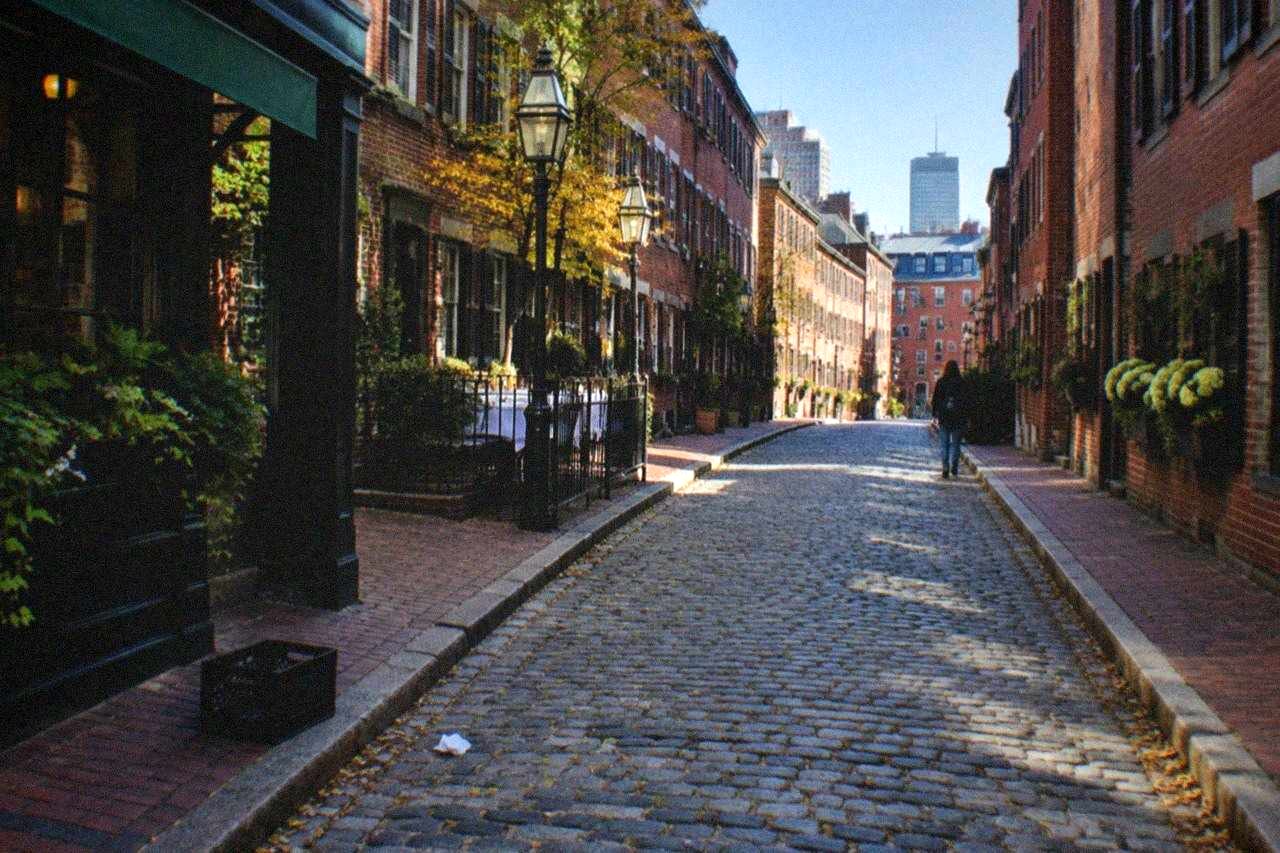
Self-Guided vs. Guided Food Tour In Boston
The honest answer is that Boston rewards both, because the two approaches buy different things. A self-guided day costs less and moves at your pace, while a guided tour buys access, context, and portion control you cannot replicate alone. Most visitors who enjoy food get the best result by doing one guided tour in the North End or Chinatown and eating independently everywhere else. The comparison below is about where each approach genuinely wins, not about one being right.
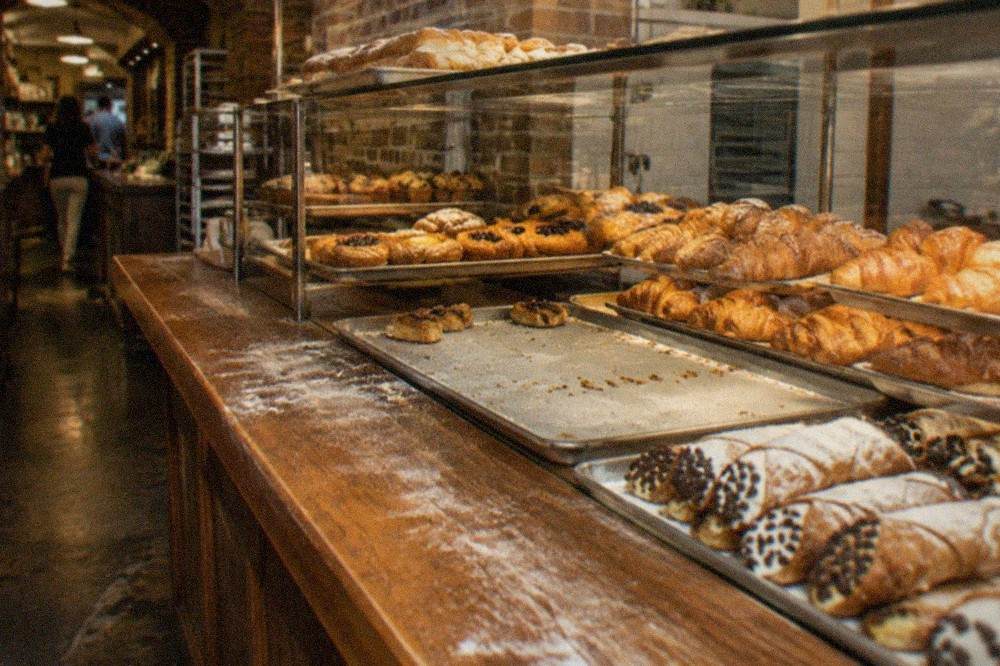
Start with the case for going it alone, because it is a strong case. Boston's food geography is unusually friendly to independent eaters. The North End's Italian core sits on essentially two parallel streets, Hanover and Salem, plus the cross streets between them. Chinatown occupies a compact rectangle around Beach Street that you can cross on foot in ten minutes. Faneuil Hall and Quincy Market sit between them, and the Boston Public Market anchors the top of the Hanover Street corridor with vendors open 8 AM to 6 PM Sunday through Tuesday and 8 AM to 8 PM Wednesday through Saturday, per the market's own posted hours (Boston Public Market). A determined walker can hit all of these in a single long afternoon without a guide, a car, or a plan more complicated than a short list of addresses.
The case for a guide is equally real, but it is subtler, and it is worth spelling out honestly rather than in marketing language. A good guide in Boston does four things that are genuinely hard to do alone. First, they get you into rooms you would otherwise hover outside of: kitchens, back counters, bakeries at the right hour, family businesses that do not deal well with a stranger wandering in mid-service. Second, they translate. Not just Italian or Cantonese, but neighborhood history, the wave of immigration that built each block, why one bakery does lobster tails and the next one does not. Third, they pace the food. Six stops spread over two or three hours is a meal; six stops chosen by an amateur in ninety minutes is a regrettable afternoon. Fourth, they save you the error cost, the mediocre slice, the overpriced roll, the place that looked good from the street.
The three tours below cover the three most useful guided entry points into the city: the North End classic, the Chinatown alternative, and the food-plus-history combination for visitors who want one booking to carry both themes.
The rest of this article breaks the decision down the way an experienced visitor actually makes it: by what a guide adds, by what a DIY day really costs, by which neighborhoods forgive independence and which do not, and by how to split the difference if you have more than one day.
What Does A Guide Actually Add To A Food Tour In Boston?
A guide adds access, pacing, portion sizing, and context, in roughly that order of value. The single biggest gain is pacing: a guide sequences stops so six tastings arrive as a meal, not an accidental crawl. The second is access to family businesses that run smoother for a known face. History is the third gain, and it is the one that surprises skeptics, because in Boston the food and the buildings explain each other.
Consider what you walk past in the North End without knowing it. Copp's Hill Burying Ground was laid out in 1659, and by the Revolutionary War more than 1,000 free Black residents and enslaved people had been buried there, according to the city's own historic burying ground records (City of Boston Parks). A guide who points that out changes a pastry street into a centuries-old neighborhood. The same is true a ten-minute walk south, where Faneuil Hall was built and gifted to the town in 1742 as a marketplace and public meeting space, and still functions as part of Boston National Historical Park (National Park Service). Quincy Market, constructed between 1824 and 1826 to expand that market space, was added to the National Register in 1966. A food tour that threads these together is doing two jobs at once.
None of this means you cannot read a guidebook and walk the same streets. You can, and many people happily do. The honest difference is that context delivered on the spot, in front of the thing being described, tends to stick in a way that a paragraph read the night before does not. That is not a Boston-specific phenomenon, but Boston is unusually rich in the material.
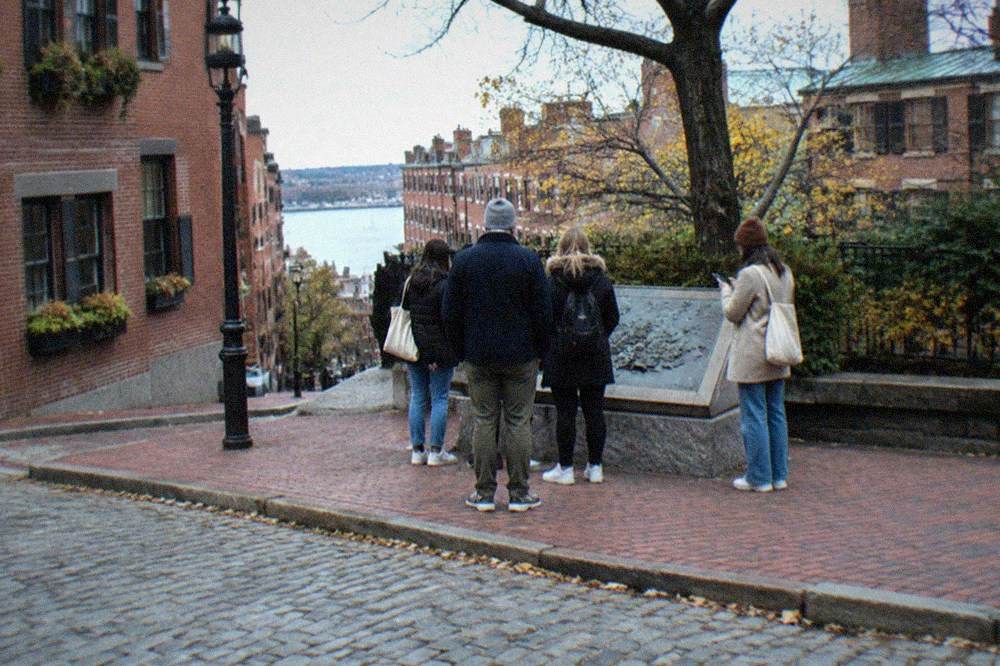
The access point deserves a fair skeptical read too. Some of what is marketed as "behind the scenes" access is a counter transaction you could have made yourself. The honest version is that a guide does not unlock secret rooms so much as reduce friction: the group is expected at the bakery, the order is pre-arranged, and you spend your two hours eating and listening instead of queueing and deciding. Whether that convenience is worth the ticket price is a personal call, and the cost section below gives you the numbers to make it.
If there is one guided product in Boston where the guide's contribution is least debatable, it is the flagship North End walk, which runs 2 hours from $70.40 per person and carries a 4.9 rating from 1,663 reviews, one of the largest review pools on any food tour in the city.
Free cancellation up to 24 hours before departure is standard on this operator's listing, so the commitment is low. If you are still weighing the format question, the sections below on cost and neighborhoods are where the decision actually gets made.
How Much Does A Self-Guided Boston Food Day Really Cost?
A self-guided eating day in the North End runs roughly $45 to $70 per person for six to eight stops, versus $69 to $100 for the guided walks in the same neighborhood, and $70 to $169 across the city's full roster. The gap narrows once you count error, because a bad solo stop still costs money. The table below compares the two approaches on the same line items.
| Line item | Self-guided (typical) | Guided (roster range) | Notes |
|---|---|---|---|
| North End Italian walk | ~$45-$70 in purchases | From $70.40 (2 hr) up to $100 (3 hr with wine) | Guided price includes all tastings |
| Chinatown dim sum and dumplings | Priced by the dish; order wide and split | From $135.45 for a 2.5 hr guided walk | Guided tours here carry a premium |
| Downtown donuts and cider | ~$15-$30 | From $70 for a 2 hr guided tour | Biggest percentage gap in favor of DIY |
| Seafood with chowder and lobster | ~$50-$80 depending on a lobster roll | From $169 for a 2 hr 45 min guided walk | Lobster rolls push both columns up |
| Beer, wine, or cocktail stops | Pay per pour, 21+ | Included on tours marked 21+ | Massachusetts drinking age is 21 (Massachusetts law) |
Read that table with two honest caveats. First, the self-guided column assumes you find the good places on the first try. Every mediocre slice and disappointing roll you buy on your own is money a guided tour's curator has already spent on your behalf. Second, the guided column includes the history and pacing discussed above, so a straight price comparison slightly underrates what the ticket buys.
The strongest self-guided value in the city is the dessert-and-market corridor. The Boston Public Market sits directly on the self-guided route, its hours are generous, and entry costs nothing. A donut tour, by contrast, is one of the rare cases where the guided version covers so much ground, downtown bakeries and cider in two hours, that the from-$70 ticket is defensible for families; on your own, you would spend $20 and see a third of it. The math favors DIY for the stops themselves and the tour for the connective tissue between them.
One more cost note that is specific to Boston: distance from the city is a real cost in time, not money. Salem, for instance, is roughly 16 miles out, with MBTA commuter rail service from North Station in about 30 minutes (City of Salem). If you are building a self-guided day that leaves the city, budget the transit leg and the return time before you commit.
Which Boston Neighborhoods Forgive Independence, And Which Reward A Guide?
The North End rewards a guide the most, Chinatown rewards one almost as much, and the market corridor between them is the most forgiving self-guided territory in the city. That ordering is about density and navigation rather than food quality. In the North End the problem is too many good choices on two narrow streets, which is exactly the problem a professional curator is built to solve.
The North End is the paradox at the center of this comparison. It is the most walkable food neighborhood in Boston, two main streets, everything within a fifteen-minute stroll, and yet it is where a guide pays off most. The reason is density of choice: block after block of bakeries, pizzerias, salumerias, and cafes, several of them century-old institutions with lines, quirks, and cash-only counters. A first-time visitor standing on Hanover Street faces a selection problem, not a navigation problem. The "Small-Group Italian Heritage Walk" exists almost entirely to solve that problem, and it solves it in 2 hours from $70.40, which is why it books up so often. The wider set of guides lives on Boston Food Tours.
Chinatown has the same character with a different flavor profile. The dim sum tradition there runs deep, with weekend cart service at the longtime banquet halls and made-to-order dumplings at the smaller cafes, and knowing which is which, and when, is local knowledge in the truest sense. The guided "Dumplings & Dim Sum Walk" costs more, from $135.45 for 2.5 hours, and its 5.0 rating comes from a smaller pool of 22 reviews, so treat the score as promising rather than decisive. Done solo, Chinatown is still very good, and pho, Malaysian, and roast duck windows all sell to walk-ins. Done guided, it is a different, deeper visit.
The market corridor is the opposite case. Faneuil Hall, Quincy Market, and the Boston Public Market are signposted, centralized, and built for independent browsing. You do not need a guide to walk Quincy Market's colonnade, and the history is posted on plaques in plain sight. A solo morning here, coffee at the market, a snack circuit through the stalls, is one of the best cheap food experiences in Boston. The guided "Food & History Combo Walk" that links the Freedom Trail to these stops, 3 hours from $135.45 with a 5.0 rating from 45 reviews, is best understood as a history tour with a food spine, for visitors who want the narrative delivered rather than read.
If your eating day runs toward the waterfront, seafood is its own decision. The "Seafood & Chowder History Walk" runs 2 hours 45 minutes from $169 with a 4.8 rating from 237 reviews, and it is the priciest food walk on this site's roster. A solo seafood afternoon at the counter-service waterfront shacks costs meaningfully less, but a lobster roll alone has become expensive anywhere in the city, and a guided tour's curated chowder-and-roll circuit buys you variety without committing $50 to a single sandwich you might not love.
When Is A Guided Tour Clearly The Better Choice?
A guided tour is clearly better when you have one short visit, when the group includes kids or mixed appetites, or when the tour includes something you cannot buy alone, such as a beer program, a cocktail pairing, or a route through a working market at the right hour. Time-poor visitors get the most from guides, because a guide compresses decision time to zero.
Short trips are the clearest case. If you have one afternoon in Boston, a 2-hour guided walk buys you a curated cross-section of the North End, and the alternative is spending forty minutes of that afternoon reading reviews on a sidewalk. If you have three or four days, the calculus flips: you can afford your own research, your own misses, and a slower pace, and one guided tour becomes an anchor rather than a necessity.
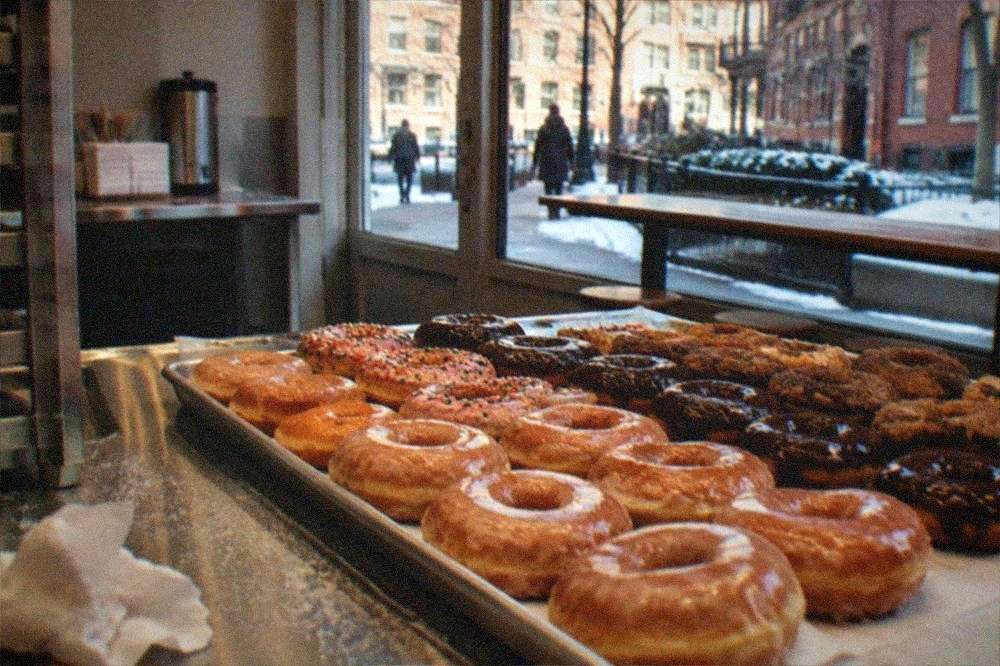
Families are the second clear case. The donut and cider tours on this roster, from $70 downtown with a 5.0 rating from 1,392 reviews, and the Harvard Square donut walk at from $69.75, are built for kids, with short durations and food children actually want. Replicating a donut crawl solo with children in tow is possible, but the guided version handles the walking distances, the pacing, and the sugar crash schedule for you. If you want the details on which tours suit which ages, the family food tour guide covers the trade-offs.
Alcohol-inclusive walks are the third clear case, for two reasons. The legal one is fixed: Massachusetts prohibits selling or furnishing alcohol to anyone under 21, so these tours are adult-only by design. The practical one is that a wine, limoncello, or cocktail pairing arranged by an operator, like the 3-hour North End walk with wine and limoncello at from $100, or the cocktails-and-cannoli dessert walk at from $125, is a table you would struggle to assemble yourself without bar-hopping. For a full breakdown of tour pricing by category, see how much Boston food tours cost.
The value of a trusted local voice is also what settles the worth-it question for many visitors, and the is a Boston food tour worth it piece goes deeper on the return you get for the ticket. The short version: the walks with four-figure review pools have earned their reputations over years, and the ones with a handful of reviews, like the brewery-meal tour at 5.0 from 3 reviews, are too new to trend either way.
For a budget-conscious hybrid, the cheapest guided product on the roster is worth knowing about: the morning Salem coffee walk, 1 hour 45 minutes from $34, framed as a day-trip anchor for the commuter rail run out of North Station.
How To Combine Both In One Trip
The best plan for a two-day visit is one guided tour in the densest neighborhood, the North End, plus one self-guided day through the market corridor, Chinatown, or Cambridge, in that order of ease. This split gives you the guide where selection pressure is highest and independence where the ground is flat, signposted, and cheap to explore alone. It also leaves an evening free for a restaurant dinner chosen without any deadline pressure.
Day one, take the guided walk in the morning or early afternoon, when the North End is calmest and the bakeries are stocked. Finish with a self-guided dessert lap in the late afternoon if you have room. The guided stops will have introduced you to the street grid, so the solo extension costs you nothing in navigation. A second evening can go to a restaurant dinner, ideally one your guide mentioned.
Day two, go independent. Start at the Boston Public Market for coffee, walk the Freedom Trail corridor through Faneuil Hall and Quincy Market at your own speed, then either head into Chinatown for lunch or take the Red Line to Harvard Square for an afternoon of student-priced eating. If you want to extend into evening drinks, the brewery tours, from $105 for a 3.5-hour craft brewery walk, or from $124 for the brewery-winery-distillery version with a meal, handle the 21-plus logistics, but note both are built for adults only.
Before you book anything, one honest check: decide whether your trip is a food trip or a trip with food in it. Boston Food Tours exists because plenty of visitors fall in the first camp. But a visitor whose real interest is the Revolutionary-era sites, with lunch as a happy by-product, will often be better served by a general history walk and a good independent lunch than by a food tour of any kind.
| Your situation | Recommended approach | Why |
|---|---|---|
| One afternoon only | Guided North End walk, 2 hr | Compresses a whole neighborhood into one decision |
| Two or more days | One guided walk plus self-guided days | Guide where choice is hardest, independence elsewhere |
| Traveling with kids | Guided donut or dessert tour | Short duration, kid-friendly food, handled pacing |
| Adults wanting drinks | Guided wine, cocktail, or brewery tour | Pairings and 21+ logistics are operator territory |
| Very tight budget | Self-guided market corridor day | Cheapest good food day in the city |
| Food-first visitor | Two guided tours in different neighborhoods | Maximum curated coverage per hour |
Whichever side of that table you land on, these three walks are the ones worth a first booking, and they pair naturally with the self-guided days described above.
Common Questions About Self-Guided vs. Guided Food Tours In Boston
Self-Guided vs. Guided Food Tour in Boston: which should I choose?
Choose a guided tour if you have limited time, want curated history with the food, or are traveling with kids or a group that includes alcohol tastings. Choose self-guided if you have more than one day, prefer your own pace, or are watching budget. Many visitors do one guided North End walk and eat independently everywhere else.
Is a guided food tour in Boston worth the money?
The strongest walks justify their price. The flagship North End heritage walk runs 2 hours from $70.40 with a 4.9 rating from 1,663 reviews, and the tasting total alone approaches what you would spend solo. The value comes from pacing, access, and avoiding mediocre stops, not from secret rooms.
Can I do the North End food scene on my own?
Yes, easily. The neighborhood is two main streets with everything within a fifteen-minute walk. The challenge is selection, not navigation, since there are decades-old bakeries and pizzerias on nearly every block. A shortlist of four or five stops and cash for the older counters covers most of it.
How much cheaper is a self-guided food day in Boston?
A self-guided North End eating day runs roughly $45 to $70 per person across six to eight stops, versus $69 to $100 for the guided walks in the same neighborhood. Citywide, this site's roster runs from $34 to $169 per person, so the savings depend heavily on which comparison you make.
Do Boston food tours include alcohol?
Some do. The wine and limoncello North End walk, the cocktails and cannoli dessert walk, and the brewery tours all include alcohol and are effectively adult-only, since Massachusetts law prohibits furnishing alcohol to anyone under 21. Dessert and donut tours are family-friendly alternatives.
What should I expect on my first guided food tour?
Expect a small group, two to three hours of walking with six or so tasting stops spaced as a meal, and a running narration of neighborhood history between stops. Wear comfortable shoes, arrive slightly hungry, and bring cash for any personal extras. The full walkthrough is in what to expect on a North End food tour.
The decision, honestly stated, is less guided-versus-DIY than guided-plus-DIY. Book one well-reviewed walk in the densest neighborhood you care about, walk the rest of the city with the confidence that walk gave you, and spend the money you saved on the one lobster roll you will remember.