The Boston Food Bucket List: 15 Things To Eat At Least Once
Fifteen Boston foods worth crossing the city for, from North End cannoli and coal-oven pizza to Chinatown dim sum and a $45 lobster roll, with where to find each one.
The Boston Food Bucket List: 15 Things To Eat At Least Once
A Boston food bucket list comes down to fifteen items: a North End cannoli from Mike's or Modern, a lobster roll despite the price, clam chowder, coal-oven pizza, weekend dim sum carts, soup dumplings, a lobster tail pastry, fresh donuts and cider, oysters on the half shell, something off the Boston Fish Pier, Chinatown roast duck, a Harvard Square chocolate, a craft pint, a Brattle Street burger, and one Alden & Harlow Secret Burger. None of them require a car. Every one of them sits within walking distance of a subway stop, which is the quiet genius of eating this city.
Boston was named a must-visit food destination for 2026 by Condé Nast Traveller, and it was the only US city on that list. The citation pointed at global flavors, waterfront dining, and neighborhood scenes rather than any single famous dish, which is exactly the right way to read this city. The fifteen items below are not a ranking. They are the fifteen things that, eaten together, explain why Boston cooks the way it does: Italian immigrant bakery counters, a Cantonese brunch institution that survived a century of change, a working fish pier that still lands catch a short walk from glass towers, and a brewery scene that contracted recently but still pours well.
A few practical notes before the list itself. Many of these stops cluster, so the list breaks naturally into three walking days: the North End and downtown, Chinatown, and Cambridge. The full-detail planning versions of those walks live in our neighborhood guides, and the deeper dives on single items, cannoli hunting and lobster roll math especially, are worth a read before you commit an afternoon to either. This site exists for exactly that kind of planning, and Boston Food Tours is where the neighborhood guides, cost breakdowns, and the bookable walks all live side by side. Start with the North End cannoli tasting tour guide if pastry is your priority.
If you would rather have someone else organize the day, the three tours below between them cover seafood, the Italian classics, and the sweet end of the list, and each one feeds you enough that you can skip lunch.
Where Should You Start On A Boston Food Bucket List?
Start with the North End, because it stacks four of the fifteen items into one square mile and gives you the historical context the rest of the list lacks: it is one of Boston's oldest neighborhoods, wharfed out early, home to wealthy merchants and seamen, Irish in the early 1800s, and largely Italian since the 1890s. That layered history is why you can buy a cannoli, a slice of coal-oven pizza, and a lobster tail pastry within three blocks of each other, all from businesses that predate most of the buildings around them. The city's own neighborhood history documents those waves of settlement, and you can taste all three of them on one short walk.
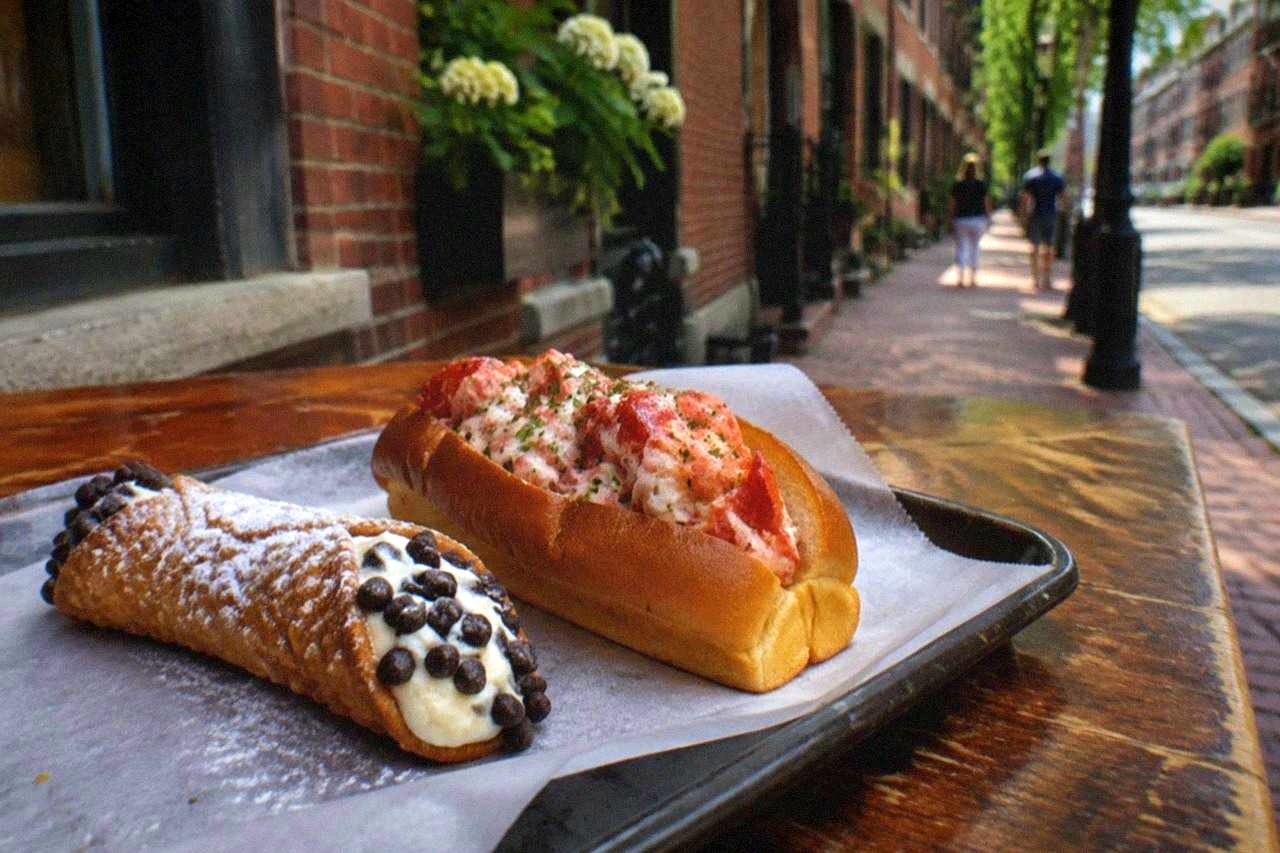
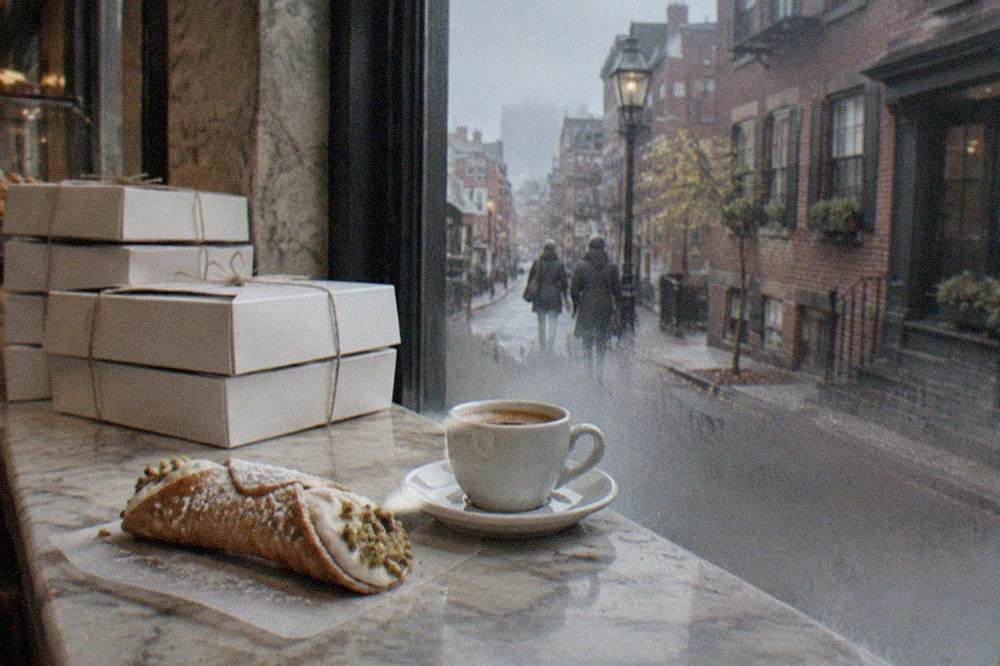
The anchor item is the cannoli, and the rivalry is not marketing. Mike's Pastry at roughly 300 Hanover Street is the tourist favorite, with larger shells, a long flavor list, and the signature blue-and-white string-tied boxes that travel home as souvenirs. Modern Pastry, family-owned and established in the 1930s, is the local preference, smaller and richer. A 2025 ranking of ten North End cannoli spots placed Modern second and Mike's fourth, which tells you the gap between them is small enough that the honest answer is to eat both. Bova's Bakery on Salem Street is the third leg of the debate, family-owned, open 24 hours, and it celebrated its 100th anniversary in August 2026 with a free cannoli giveaway that drew the mayor and the lieutenant governor. One item on this list, the lobster tail pastry, is best sourced at Bova's for exactly that reason: late hours and a century of practice.
Prices shift, but the ballpark matters for planning. Reporting in late 2025 put Mike's cannoli around $7 to $9 depending on flavor, with premium shells like the Florentine at $10 to $11, and Modern's around $5.50 to $6.50. The North End pastry counters are typically cash-only, so bring bills. Also worth knowing: Mike's opened its fifth location in Logan Airport Terminal C on September 23, 2026, open 5 a.m. to 10 p.m. daily, which means the last item on your list can legally be eaten after security on your way home. That airport counter does filled-to-order cannoli, lobster tails, and an espresso bar, and it is part of a Massport push to put local flavors inside the terminal.
What Are The Savory Classics You Have To Eat Once?
Eat a lobster roll, clam chowder, and a slice of North End pizza, in that order of descending cost, and accept that the lobster roll is now a splurge: restaurant versions in Boston have approached or hit $50 in 2026, with specific rolls landing at $45 to $48. That price is not a tourist trap. Live lobster rose roughly $2 per pound year over year into 2026, reaching about $17 a pound in some markets, and Maine's catch fell in 2025 to its lowest since 2008. The sandwich got expensive because the ingredient did.
The lobster roll itself splits into two camps, and you should pick your camp before ordering. The hot buttered version, lobster meat warmed in drawn butter on a grilled bun, is the Connecticut style, and Neptune Oyster in the North End is the standard bearer for the large hot-buttered roll. The cold mayo style, chilled lobster salad on a split top-roll, is what James Hook & Co. serves at its waterfront shack. Eventide Fenway does a brown-butter version on a steamed bun. Which is best is a legitimate argument; which is most Boston is not, the cold mayo roll is the regional default and the buttered version is the indulgence.
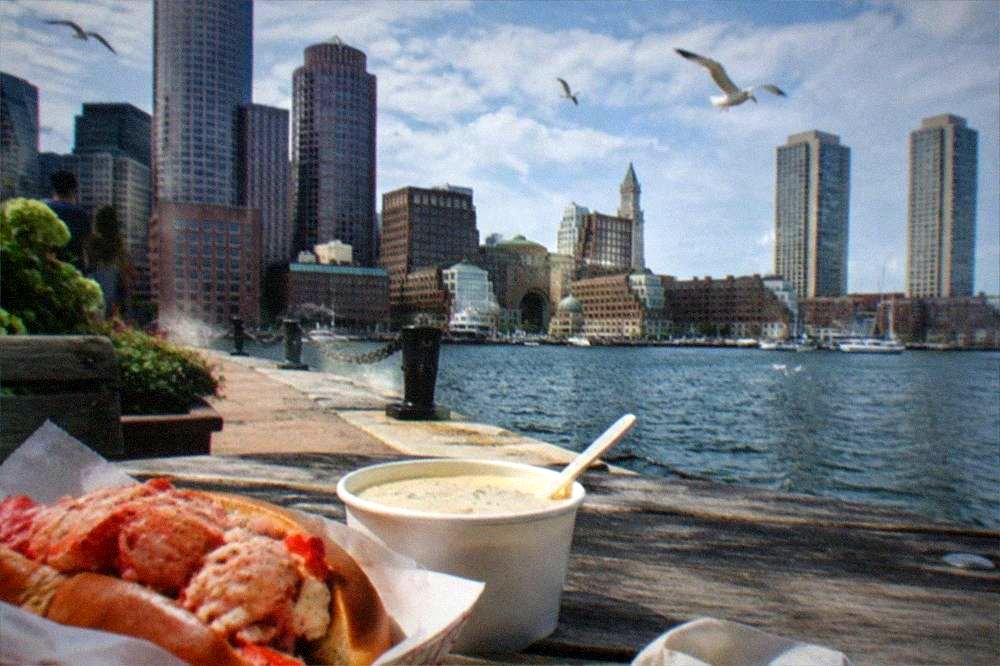
Clam chowder is the second classic, and the rule is simple: it should be dense, milk or cream based, full of chopped clam, and never, under any circumstance, tomato. Boston restaurants almost universally honor that last part, which is a New England point of pride more than a Boston one. You will find respectable chowder at the tourist halls and excellent chowder at the seafood counters; either way it belongs on the list because it is the dish the city's whole seafood economy was built around. The Boston Fish Pier, established in 1910 and the oldest commercial fish pier in the United States, still operates with roughly 19 to 20 seafood businesses in two long buildings on the Seaport waterfront, and its seasonal Saturday Fish and Farm Market runs from early June through late October. Eating something sourced off that pier, or at least standing on the Harborwalk beside it while you eat nearby, is item ten.
Pizza is the third savory classic and the cheapest one. Regina Pizzeria opened in 1926 and its original coal-to-gas oven is still in use. A North End slice, or better a whole pie eaten at the counter, is the item on this list most likely to cost you under $15, and the crust style, thin, blistered, slightly charred at the edge, is the benchmark every Boston pizza is measured against.
If you want the seafood items with the history attached rather than tracked down separately, the Seafood & Chowder History Walk covers the waterfront's food story with tastings built in, from $169 per person, 2 hours 45 minutes, rating 4.8 from 237 reviews. It often books up, which is worth knowing before you build a day around it.
What Are The Chinatown Items On The List?
Eat weekend dim sum from a cart and soup dumplings in a birdcage, because Chinatown is where Boston's food reputation quietly lives, and it is under real pressure: a December 2025 land-use report found the neighborhood lost roughly 17 percent of its restaurants over the past decade, alongside rising rents, an influx of chains, and an Asian population share down more than 20 percent. The restaurants that remain are worth crossing the city for, and the dim sum tradition in particular is a genuine cultural institution rather than a brunch trend. Sunday morning is when the carts roll.
The cart experience is the one to have once. Hei La Moon on Essex Street runs bi-level dining rooms with seafood, dumplings, and sizzling plates, and on weekends the dim sum arrives by cart, pushed past your table so you can point at what looks good. Empire Garden, in a former theater, and China Pearl also run cart service; Winsor Dim Sum Cafe and others make everything to order. Carts versus made-to-order is a real tradeoff, the cart version is the theater, the made-to-order version is the fresher dumpling. For the bucket list, do a cart at least once, on a Sunday, with a group.
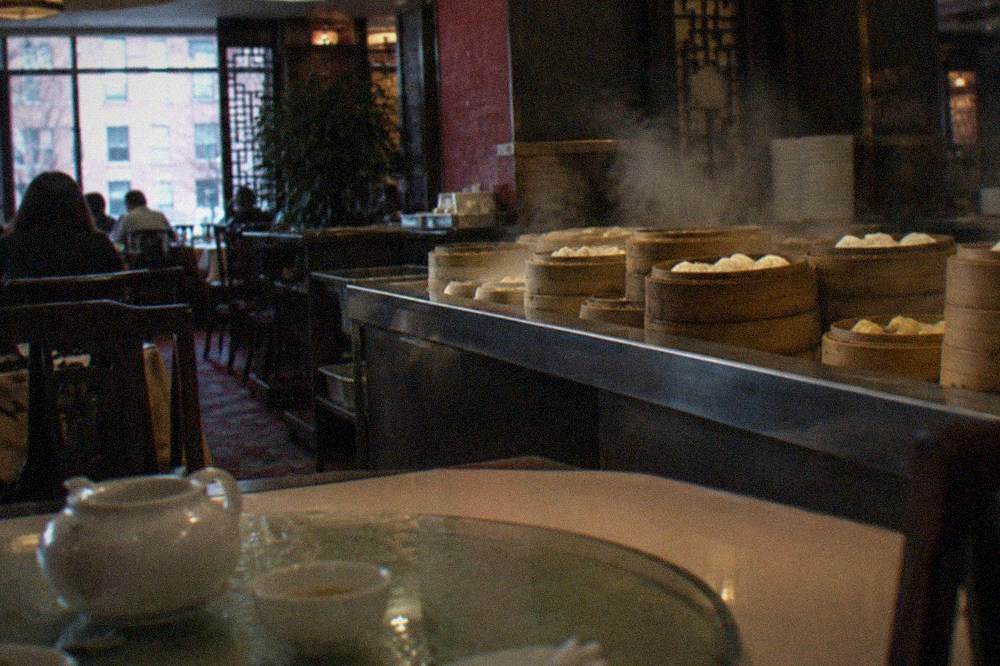
Soup dumplings are their own item. Fuchun Ju on Beach Street, a Shanghainese newcomer highlighted in Eater Boston's September 2026 Chinatown map, serves them in a birdcage, and also presents whole roast duck in a treasure chest with accompaniments, which is the most photographed dish in the neighborhood right now. Taiwan Cafe on Oxford Street does Taiwanese pan-fried dumplings plus Sichuan dishes. Pho Pasteur, a Vietnamese staple since 1991, rounds out the non-Chinese items worth your time.
Chinatown itself deserves a defense on the walking-tour question, because it is compact, the blocks are short, and it sits minutes from downtown attractions. A September 2026 analysis of Boston Police data found total reported crime in the Chinatown area down 15 percent from 2021 through 2025 with zero homicides in that period. The perception of the neighborhood as dicey is out of date. If you want the fuller picture, our Chinatown guide and the North End versus Chinatown comparison cover the neighborhood in depth, and they help if you only have time for one of the two food districts.
What Are The Sweets On The List?
Eat a lobster tail pastry, fresh donuts with cider, and a Harvard Square chocolate, because Boston's sweet end is genuinely excellent and much cheaper than its savory end: the lobster tail is the sleeper item, a shell of layered pastry larger and flakier than a cannoli, filled with custard, and it is the pastry that Food & Wine's April 2026 feature on top US pastry cities flagged alongside the cannoli as a Boston stalwart. That is the reason to walk to Bova's, which has made pastries for a century and never closes, and the reason the sweet half of this list is where your budget survives.
Donuts and cider pair as item eight because that is how Boston actually eats them, together, in the fall, and the downtown donut walk treats them as a unit. This is the family-friendly end of the list, the one item a trip with kids can be built around, and it is also the cheapest guided option on the Boston tour roster: the Downtown Donuts & Cider Tour runs from $70 for 2 hours, rates 5.0 from 1,392 reviews, and often books up. That review pool is large enough to take seriously, and it is the strongest rating-to-count combination among the sweet tours in the city.
Harvard Square holds the last sweet item. The neighborhood's restaurant scene is in a genuine revival period, per Harvard Square Business Association updates from late September 2026, and the annual Taste of Chocolate festival gives you a one-day excuse to eat your way through it. Between festivals, the Harvard Square chocolate walk, from $60 for 1.5 hours, covers the ground. Ratings there are thinner, 4.3 from 15 reviews, which is the minimum count we treat as worth stating, so go for the chocolate rather than for the crowd consensus. Our Cambridge and Harvard Square food guide has the full neighborhood rundown, including the new openings, if you want to build the rest of the day around dessert.
Two non-sweet Cambridge items earn their places on the list too. Mr. Bartley's Burger Cottage has sold burgers with attitude since 1960, and Alden & Harlow on Brattle Street serves the Secret Burger, the small plate that anchors its New American menu. Pair either with a walk past Pinocchio's Pizza, a slice staple since 1966, and you have crossed the river and eaten three bucket-list items in an afternoon. Fair warning on transit: Red Line signal issues near Harvard were causing 15 to 25 minute delays as of late September 2026, so check the alerts before you commit.
How Much Does Eating The Whole List Cost?
Expect the lobster roll to be the outlier at $45 to $48, with everything else on the list dramatically cheaper: pastry items run $5 to $11, dim sum lands around $30 to $40 per head for a group, and a North End pie is the item most likely to cost under $15. The lobster roll is what pulls the total up; strip it out and the list becomes a surprisingly cheap eating project, because bakery counters, slice shops, and dim sum halls are still neighborhood businesses priced for regulars rather than for visitors.
Here is the honest budget picture for the core items, using the price reporting and menu figures currently on record:
| Bucket list item | Where to get it | Ballpark cost | Notes |
|---|---|---|---|
| Cannoli | Mike's or Modern, Hanover St | $6-$11 | Cash-only counters; eat both to settle the debate |
| Lobster tail pastry | Bova's, Salem St | $5-$8 | Open 24 hours |
| Lobster roll | James Hook, Neptune, Row 34 | $45-$48 | Prices climbed sharply into 2026 |
| Clam chowder | Seaport and North End counters | $8-$14 | Never tomato |
| North End pizza | Regina Pizzeria | $12-$20 a pie | Original 1926 oven still in use |
| Weekend dim sum | Hei La Moon, Empire Garden | $30-$40 per head | Cart service weekends |
| Soup dumplings | Fuchun Ju, Taiwan Cafe | $10-$16 | Birdcage presentation at Fuchun Ju |
| Donuts and cider | Downtown stops | $6-$12 | Best in fall |
Two money notes that most lists miss. First, the North End bakery counters are typically cash-only, and the feast-season vendors in summer are too, so carry actual money. Second, the Boston Public Market at 100 Hanover Street, open 8 a.m. to 6 p.m. Sunday through Tuesday and 8 a.m. to 8 p.m. Wednesday through Saturday per its official hours page, lets you sample several local producers in one building, which is the budget-efficient way to knock out smaller items. Vendor hours vary inside, so check before you cross the city for one specific stall.
For the fuller cost picture including guided options, our cost breakdown article covers the per-person math across every tour type in the city.
Can You Do The Whole List On A Guided Tour?
Partially, yes: the seafood walk covers the waterfront items, the North End heritage walk covers the Italian bakery and pizza items, and the donut tour covers the sweets, but Chinatown and Harvard Square you will still eat on your own. That is not a flaw in the tours, it is just geography, four neighborhoods rarely fit inside one 2-hour walk. What the tours do add is the history that turns a pastry counter into a story, and a guide who knows which bakery line moves fastest.
The flagship Italian option is worth singling out. The Small-Group Italian Heritage Walk runs from $70.40 for 2 hours, rates 4.9 from 1,663 reviews, and often books up; it is the strongest-reviewed, best-documented tour in the city and it walks straight through the cannoli, pizza, and pastry items on this list. If you would rather drink your way down Hanover Street, the Wine & Limoncello 3-hour walk, from $100, rates a perfect 5.0 from 518 reviews, and includes the wine and limoncello tasting, which adds a de facto sixteenth item. It is 21-plus, which is the Massachusetts legal drinking age, so bring ID.
The brewery item on the list is its own guided decision. The Samuel Adams Boston Brewery at 30 Germania Street in Jamaica Plain runs its Signature Experience at $15 per person, a roughly 45-minute guided brewhouse tour with tastings, and deeper options like Beyond the Brewhouse at $30. Harpoon in the Seaport does tastings and tours at $15 with a Beer Hall serving pretzels and pizza. For a fuller comparison, including the guided multi-stop craft brewery tour with a snack at $105, read the Boston brewery tour guide. One more pour note: the pint at a brewery counts as item twelve on the list, the pretzel with it does not count as a separate item, but nobody will judge you for counting it anyway.
When Should You Eat Your Way Through Boston?
Go between June and October if the Fish Pier market and cider items matter to you, in August if you want the feast season, and on a Sunday morning if dim sum carts are the priority; winter is the cheapest and least crowded time but it closes the outdoor half of the list. The Saturday Fish and Farm Market at the Boston Fish Pier runs early June through late October, and fall is when the donut and cider pairing is actually in season. August brings the feasts: the 107th annual Saint Anthony's Feast ran August 27 to 30, 2026, the largest Italian religious festival in New England, drawing more than 250,000 people across its run, alongside the Fisherman's Feast and San Gennaro in the same month.
That feast season is a double-edged fork. The streets fill with food stalls, processions, and cooking demonstrations, and the atmosphere is unlike anything else on this list. It also means the North End is at its most crowded, the bakery lines are at their longest, and hotel rates climb. If your priority is eating rather than festival-going, pick June, September, or early October, when the weather still cooperates, the market is running, and you can walk the whole three-neighborhood list without fighting a quarter of a million neighbors for counter space.
The one timing trap worth flagging: several of the tours that map onto this list are flagged as likely to sell out or often booking up, including the seafood walk, the Italian heritage walk, and the donut tour. Booking ahead is not a hard-sell line here, it is genuinely how these rosters behave. If you would rather skip the guided version entirely, our self-guided versus guided comparison lays out when doing it yourself wins.
Common Questions About The Boston Food Bucket List
The Boston Food Bucket List: 15 Things to Eat at Least Once, what is actually on it?
A North End cannoli from Mike's or Modern, a lobster roll despite the price, clam chowder, coal-oven pizza, weekend dim sum carts, soup dumplings, a lobster tail pastry, fresh donuts and cider, oysters on the half shell, something off the Boston Fish Pier, Chinatown roast duck, a Harvard Square chocolate, a craft pint, a Brattle Street burger, and one Alden & Harlow Secret Burger.
How much does it cost to eat the Boston bucket list?
The lobster roll is the big-ticket item at $45 to $48 in 2026; the pastry items run $5 to $11 each, dim sum lands around $30 to $40 per head, and a North End pizza pie is likely under $15. Strip out the lobster roll and the list becomes a cheap eating project.
Can a food tour cover the bucket list?
Partly. The Seafood & Chowder History Walk, the Small-Group Italian Heritage Walk, and the Downtown Donuts & Cider Tour together cover the waterfront, North End, and sweet items. Chinatown and Harvard Square you will eat on your own, since four neighborhoods rarely fit in one guided walk.
What is the single best thing to eat in Boston?
By the numbers, the cannoli argument is the loudest, but the honest answer is the lobster roll, because it is the one item the whole regional economy explains: a working pier, a 1910 fish market, and a catch decline that pushed the price toward $50. It is the splurge item for a reason.
When should I visit to eat the whole list?
June through October, when the Saturday Fish and Farm Market at the Boston Fish Pier runs and cider is in season. Sunday morning matters for dim sum cart service. August feast season is spectacular but crowded; winter is cheapest but closes the outdoor half of the list.