The Best Lobster Roll In Boston: Every Style, Neighborhood And Price
Boston's lobster roll scene splits into two camps, the hot buttered roll and the cold mayo roll, and the price of both has climbed steeply. This guide maps the best versions of each, what you should expect to pay, and how to taste several in a single afternoon.
Short answer
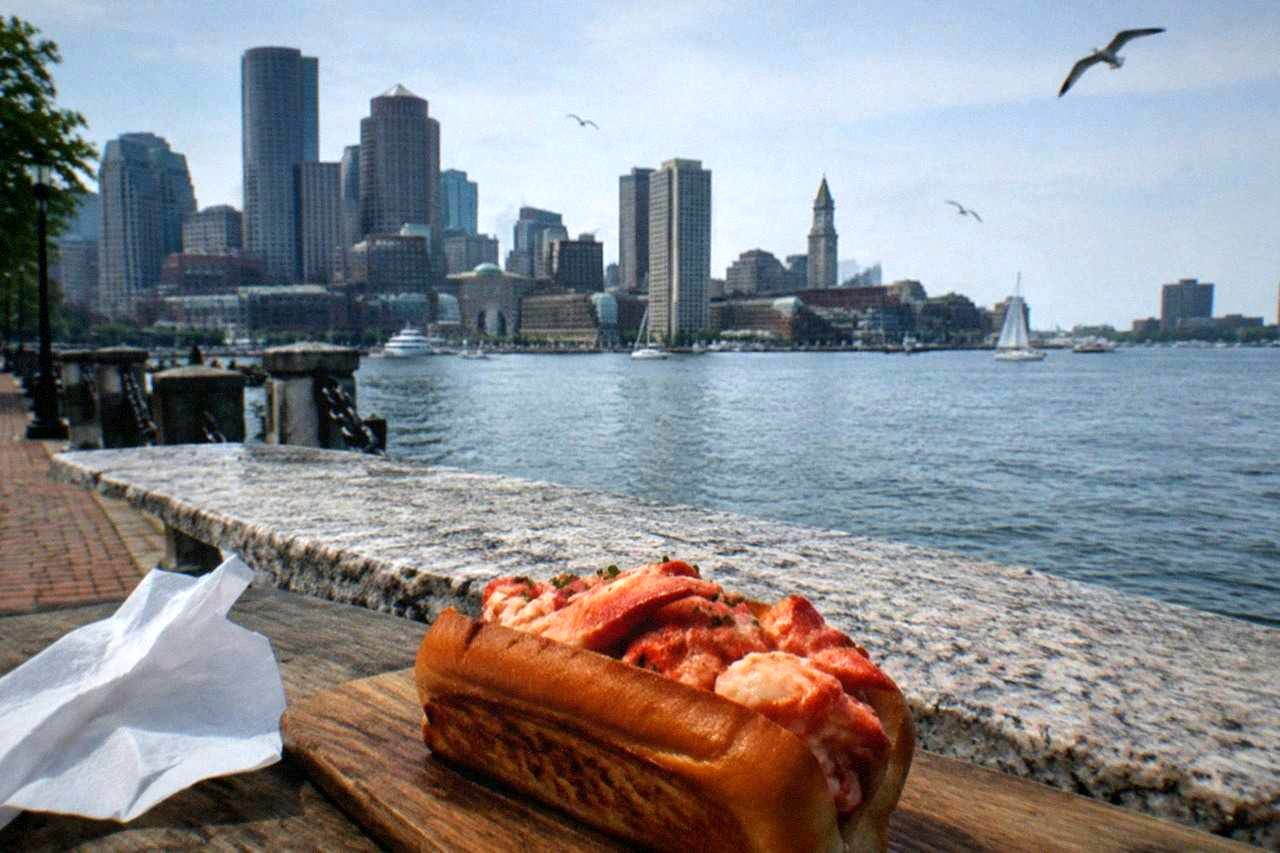
The best lobster roll in Boston depends on your camp: Neptune Oyster in the North End for hot buttered, James Hook & Co. on the waterfront for a classic mayo roll. Expect roughly $45 to $50 per roll at sit-down spots as lobster prices have risen. A guided option is the Seafood & Chowder History Walk, 4.8 from 237 reviews, from $169.
Boston's signature sandwich has never been more argued over, or more expensive. Live lobster prices jumped about $2 per pound year over year, reaching roughly $17 per pound in some markets, and restaurant lobster rolls across the Boston area have pushed toward the $50 mark, where a few years ago the same sandwich sat in the teens. Demand has not softened. People are still lining up.
This guide takes the question seriously. It breaks down the two styles of roll you will encounter, names the spots that do each style best, explains what drives the price, traces where the meat actually comes from, and lays out a route that lets you taste several rolls in one afternoon. Boston Food Tours publishes this guide as part of its seafood coverage, and it ends with a honest comparison of going alone versus joining a guided walk.
What Sets A Great Boston Lobster Roll Apart?
A great lobster roll is mostly lobster. The best versions in Boston use large, knuckle-heavy meat with minimal filler, a bun that is buttered and griddled rather than dry, and a single clear seasoning choice: melted butter or light mayo. Bread quality, meat-to-filler ratio, and freshness separate the top tier, and the spots that nail all three are the ones worth crossing the city for.
Start with the ratio, because it is the single most reliable quality signal. A roll built on a quarter pound of meat can be enjoyable, but the destination versions in Boston pile in closer to a full lobster's worth of claw, knuckle and tail meat, so the bun is nearly bursting. When a kitchen is generous with the meat, everything else about the roll tends to be handled with care too. Stingy rolls almost always come with shortcuts elsewhere.
The bun matters more than visitors expect. The classic New England carrier is a top-split hot dog roll, griddled in butter until the outside is crisp and gold. A properly griddled bun holds its structure under a heavy pile of meat and adds a faint toastiness that a plain steamed roll cannot match. Some modern kitchens have played with steamed buns and brioche, and a few of those experiments work, but the griddled top-split roll remains the standard against which everything else is measured.
Freshness is the third leg. Boston's advantage over inland cities is proximity: the city sits next to a working commercial fishing industry, and the better kitchens buy live lobsters and cook them in house rather than buying pre-picked meat. The difference shows up in texture. Freshly cooked lobster meat is firm and sweet; meat that has sat in a tub goes soft and bland, and no amount of butter disguises it. When a menu brags about cooking whole lobsters daily, that is a claim worth taking seriously.
The Best Lobster Rolls In Boston, Neighborhood By Neighborhood
The strongest overall list right now includes Neptune Oyster in the North End for the hot buttered roll, James Hook & Co. on the waterfront for the classic mayo version, Row 34 in Fort Point for a sit-down pairing, and Eventide Fenway for a brown butter roll served on a steamed bun. Each one anchors a different neighborhood, so the right pick depends on where your day is already headed.
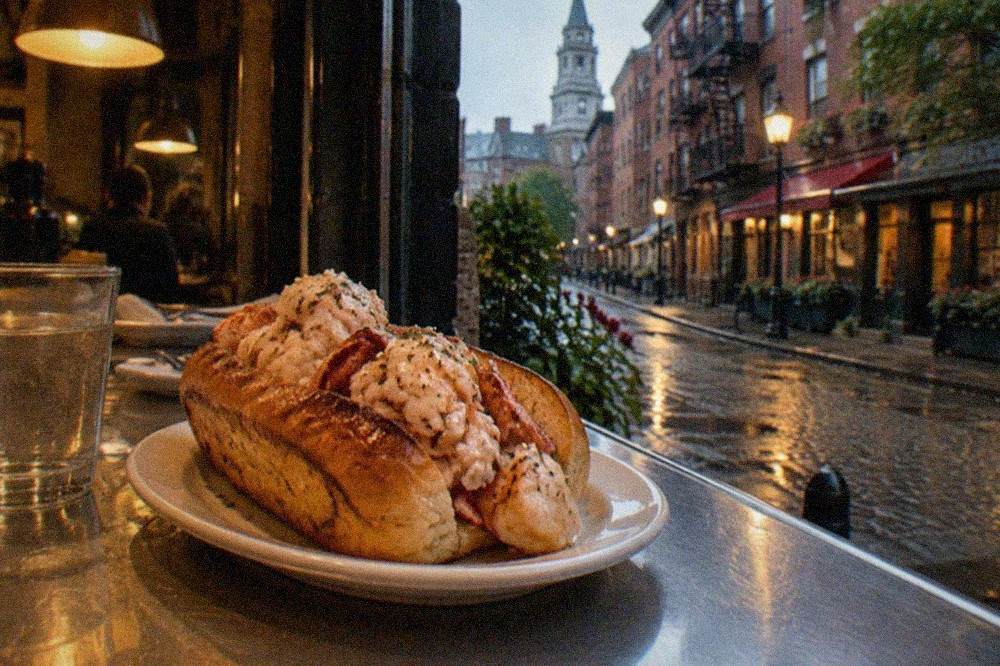
Neptune Oyster is the name that comes up most in conversation about the city's best roll, and the reason is the hot buttered version: large chunks of lobster warmed in butter, packed into a brioche roll, rich enough to be a full meal. The kitchen also does a cold mayo version, so you can compare both camps at one counter, though the wait for a table is part of the deal. It sits on Salem Street in the North End, which makes it a natural stop on any Little Italy day.
James Hook & Co. is the other pole. The company started as a lobster dealer on the waterfront, and the shrimp-shack-feeling spot near the harbor still sells lobster straight off the boats alongside its rolls. The classic here is the colder, mayo-bound style, and the setting, a weathered building by the water with picnic energy rather than white tablecloths, is exactly what a lot of travelers picture when they imagine eating lobster in Boston. Eater Boston's current lobster roll map tracks the same core names along with new entrants each season, which is a useful habit to adopt between trips.
| Spot | Neighborhood | Style | What to know |
|---|---|---|---|
| Neptune Oyster | North End | Hot buttered or cold mayo, brioche | The benchmark roll; expect a wait for a table |
| James Hook & Co. | Waterfront | Classic mayo, griddled bun | Working lobster dealer first, counter food second |
| Row 34 | Fort Point / Seaport | Buttered warm or creamy cold | Full brewery-grade beer list alongside the rolls |
| Eventide Fenway | Fenway | Brown butter on a steamed bun | The modern variant, served in a bun shaped like a taco |
| Yankee Lobster | Seaport | Counter-service rolls | Quick, casual, close to the Fish Pier |
| Alive & Kicking | Cambridge | Lobster salad sandwich | A shorter, softer bread, beloved by locals |
A few practical notes on using that table. Row 34 pairs its rolls with one of the better beer lists in the Seaport, which turns a lobster roll into an easy dinner rather than a grab-and-go lunch. Eventide's brown butter version breaks the top-split bun rule entirely and divides opinion sharply, but the brown butter itself is undeniable. Yankee Lobster is the pragmatic pick if you are already walking the Seaport waterfront and want a roll without a reservation. Alive & Kicking, across the river in Cambridge, serves its lobster salad on sandwich bread rather than a bun, and its loyal following proves the classic form is not the only way to serve it.
Saltie Girl on Newbury Street and Luke's Lobster, which has multiple locations including Fenway, round out the most frequently cited names. Luke's keeps its rolls seasoned rather than mayo-heavy, which makes it a good option for people who want the lobster flavor to lead. Saltie Girl brings a Back Bay address and a menu with range, useful if your group is split between lobster devotees and people who want a bowl of pasta instead.
If reading this list makes you want someone else to handle the logistics, guided versions exist. The trio below covers a seafood walk, a family-friendly dessert tour and a food-and-history combination.
One thing worth deciding before you queue anywhere: which camp you are in. That choice shapes everything else about your day.
Buttered Or Mayo: Which Lobster Roll Camp Should You Pick?
The buttered roll serves warm lobster meat tossed or drizzled in melted butter, and it reads as the richer, more indulgent version. The mayo roll serves cold meat bound lightly in mayonnaise, and it reads as cleaner and more lobster-forward. Boston's best kitchens do both, so the honest answer is to taste one of each and pick your own side of the argument.
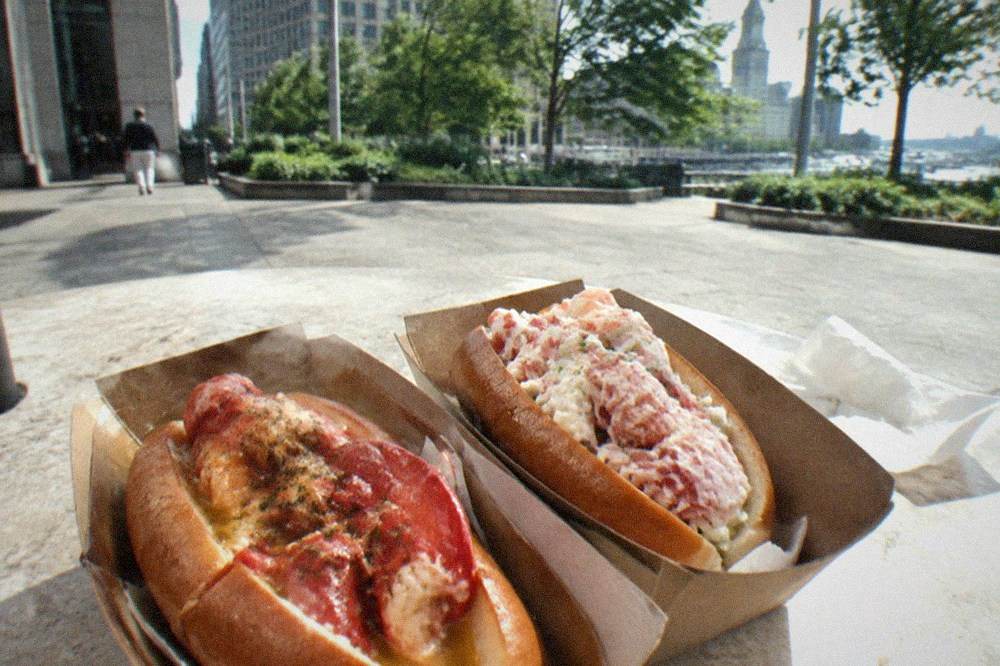
The two styles come from different traditions. The buttered version traces its roots to Connecticut, where warm lobster meat and drawn butter became the standard serving, and it spread into New England menus over the past few decades as diners fell for the theater of it: the steaming meat, the glistening bun, the smell of butter hitting a hot griddle. The mayo version is the older New England roadside classic, designed for lobster shacks serving cold meat fast, with mayo doing the job of holding the pile together without cooking it twice.
Neither style is objectively better, but they suit different moments. A warm buttered roll is a cold-day roll, a sit-down roll, a roll you eat with a fork and knife by the end because the butter has soaked through the bread. A cold mayo roll is a hot-day roll, a walking roll, the thing you eat on a bench with the harbor in front of you. Travelers trying both in one day usually discover their preference is seasonal rather than absolute.
| Hot buttered | Cold mayo | |
|---|---|---|
| Meat temperature | Warm, just cooked or reheated in butter | Cold, typically chilled after cooking |
| Binding | Drawn or brown butter, sometimes with herbs | Light mayo, sometimes a hint of lemon or celery |
| Bread | Griddled brioche or top-split roll, often toasted twice | Griddled top-split roll |
| Best setting | Table service, cooler weather, a leisurely lunch | Outdoor counters, hot days, eating on the move |
| Richness | Heavy; one roll is a full meal | Lighter; the lobster flavor leads |
If you want a guide's help tasting your way through Boston's seafood instead of researching each stop yourself, the Seafood & Chowder History Walk spends 2 hours 45 minutes on exactly this territory, and you can Check availability on the operator's live listing. Its reviews sit at 4.8 from 237 people, and it often books up.
What Does A Lobster Roll Cost In Boston?
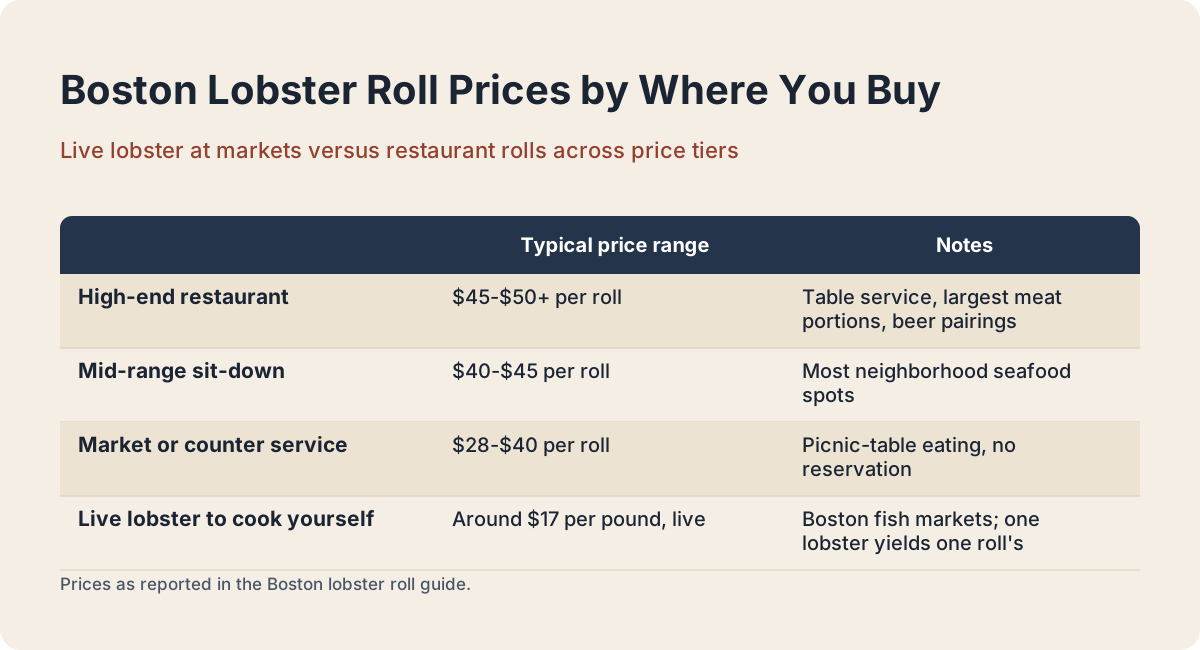
A lobster roll at a Boston restaurant now commonly lands between $45 and $50, with some versions above that and counter-service spots below it. The climb comes from live lobster prices up roughly $2 per pound year over year to about $17 per pound, wholesale lobster meat around $75 to $80 per pound, and a Maine catch that has declined for four straight years. The sandwich is an expensive habit right now.
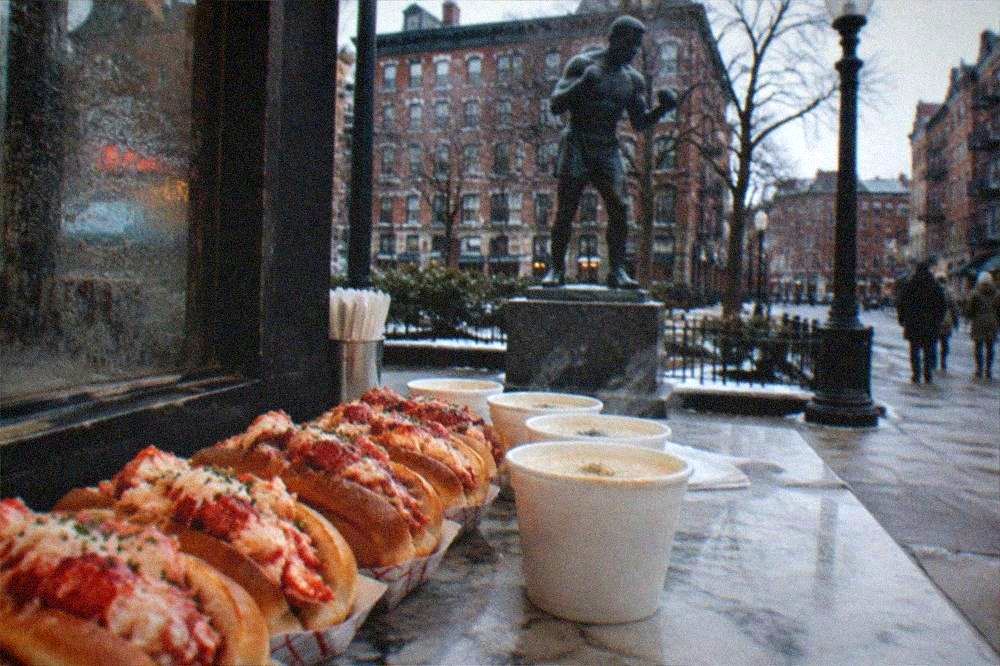
The numbers behind the menu are worth knowing because they explain why the price no longer feels like a novelty. Add diesel costs, some tracking showing fuel spikes near 47 percent, and labor, and the wholesale price of lobster meat reached roughly $75 to $80 per pound. A roll built on generous meat cannot be cheap when the raw ingredient costs that much.
Restaurant pricing followed. Reporting through the year noted rolls approaching and then hitting the $50 mark in the Boston area, with specific examples in the $45 to $48 range at certain venues and higher-end preparations above that. Counter-service spots and market counters still undercut those figures, and a roll eaten standing at a shack remains cheaper than one eaten at a table with a beer. That spread is your main lever as a buyer.
| Where you buy | Typical price range | Notes |
|---|---|---|
| High-end restaurant | $45-$50+ per roll | Table service, largest meat portions, beer pairings |
| Mid-range sit-down | $40-$45 per roll | Most neighborhood seafood spots |
| Market or counter service | $28-$40 per roll | Picnic-table eating, no reservation |
| Live lobster to cook yourself | Around $17 per pound, live | Boston fish markets; one lobster yields roughly one roll's worth of meat |
The final row in that table is the honest alternative nobody mentions enough: buying a live lobster at a fish market and building rolls yourself costs a fraction of the restaurant price. It is a real option if you have a kitchen where you are staying. For everyone else, the counter-service tier is the best value play, and the restaurant tier is worth it for the experience rather than the nutrition.
Where Does The Lobster On Your Roll Actually Come From?
Most of Boston's lobster and seafood supply moves through working waterfront infrastructure, anchored by the Boston Fish Pier in the Seaport, established in 1910 and the oldest continuously operating commercial fish pier in the United States. It still houses roughly two dozen seafood businesses in its long pier buildings, so the lobster on your roll is likely to have passed through a functioning industrial pier a short walk from where you eat it.
The pier is not a museum piece. Its two long buildings stretch about 1,200 feet and house 44 storefronts for seafood dealers and related businesses, with a seasonal Saturday Fish and Farm Market running from early June through late October, plus a public mini-museum and murals installed along the Harborwalk that runs beside it. The site was added to the National Register of Historic Places in 2017. Walking it costs nothing and reframes the whole dish: you are eating a sandwich supplied by an industry that has operated on the same spot for over a century.
The sustainability picture is genuinely mixed, which is a fair thing for a diner to know. The 2025 benchmark stock assessment described the Gulf of Maine and Georges Bank lobster stock as reasonably healthy overall, with moderately high abundance, but it also flagged declining young-lobster settlement and high exploitation concerns, while Southern New England's lobster stock remains severely depleted. Regulators maintain strict rules: minimum and maximum carapace sizes, v-notch protections that return egg-bearing females to the water, escape vents in traps, and a ban on hauling traps at night. The full assessment is published by the state's marine fisheries division for anyone who wants the detail behind the summary.
None of this should ruin your lunch. The Maine lobster fishery is widely considered among the more carefully managed in the country, and the v-notch system in particular has kept breeding stock protected for decades. But it does explain why the supply chain is worth a glance, and why a pier walk pairs naturally with a lobster roll. If you want the full seafood story told to you instead of pieced together, our Boston seafood walking tour guide covers how a guided version of that day works.
Can You Taste Several Rolls In One Afternoon?
Yes, and a route through the Seaport and waterfront does it best: start at James Hook & Co., walk the Fish Pier and the Harborwalk, stop at Row 34 or Yankee Lobster, and finish in the North End at Neptune Oyster or split a final roll near Quincy Market. The whole walk is under three miles of flat, harbor-side strolling, with rolls at every stage.
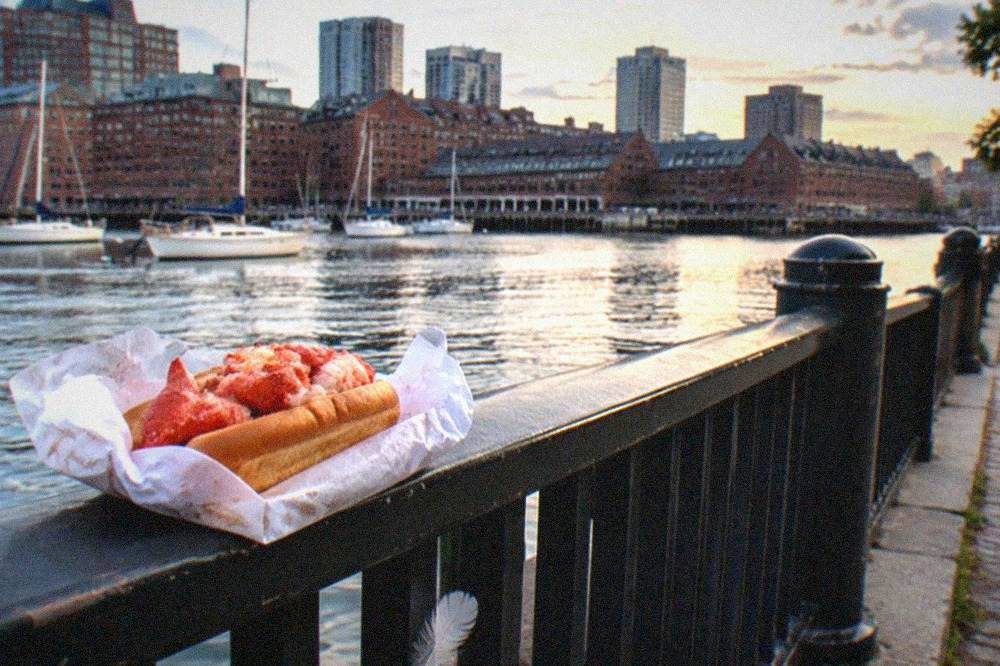
The trick is portion discipline. Order one roll between two people at each stop rather than one each, and three stops become a tasting flight instead of an ordeal. Counter-service spots make this easy because there is no table expectation; you order, you walk, you eat. Save the one full sit-down roll for the stop you care most about.
| Stop | Order | Setting | Pair it with |
|---|---|---|---|
| James Hook & Co. | Half a classic mayo roll | Waterfront counter near the harbor | The harbor view, five minutes on foot |
| Boston Fish Pier | Nothing, just walk it | Public Harborwalk, murals, mini-museum | The backstory of everything you just ate |
| Yankee Lobster or Row 34 | A shared roll in the Seaport | Counter or full restaurant | Row 34's beer list if you sat down |
| Quincy Market area | A final shared roll or clam chowder | Historic market hall, 1826 origins | A rest and some people-watching |
| North End finish | Neptune Oyster if a table opens, or dessert instead | Salem Street, Little Italy | A cannoli walk to end the day |
Timing matters more than the route. Counter spots move fastest in the late morning, before the lunch rush lands at noon, and the pier's market runs Saturday mornings only, so a weekend morning gives you the fullest version of this day. Weekday afternoons are quieter everywhere, and an off-season weekday is the single best way to get a Neptune Oyster table without a long wait. Our piece on the best season for a Boston food tour goes deeper on that tradeoff.
Families should know this route is unusually forgiving with kids: the walk is flat and short, the pier installations are visual and free, and splitting rolls keeps the bill from climbing past the point of pain. If sweets work better as motivation for your group, the Downtown Donuts & Cider Tour, 5.0 from 1,392 reviews and from $70, runs the family-friendly angle as its whole identity.
Should You Take A Guided Seafood Tour Instead Of Walking It Alone?
A guided seafood tour makes sense if you want the history and the logistics handled, and the Seafood & Chowder History Walk, 4.8 from 237 reviews and from $169 for 2 hours 45 minutes, is the roster's dedicated option. Going alone is cheaper and more flexible. The real difference is depth: a guide adds the stories, the context and the shortlist, while a self-guided day gives you full control of the route.
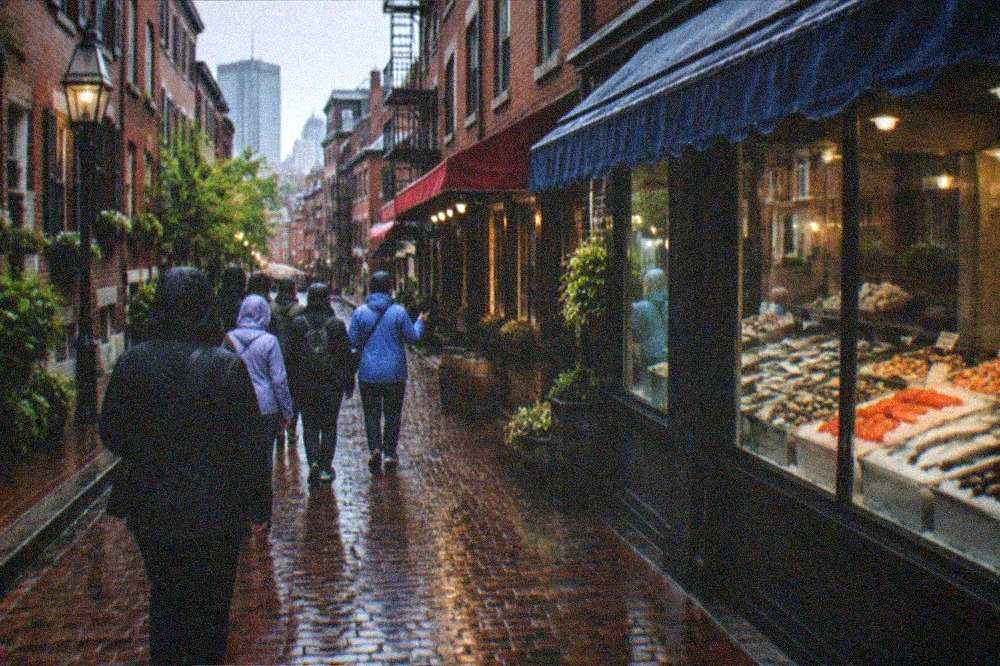
The guided case rests on what you cannot get from a map. The lobster roll is tied to the city's working waterfront, its immigrant food history and its market halls, and a good guide compresses those threads into two or three hours. The Seafood & Chowder History Walk frames itself around exactly that combination of eating and storytelling, with tastings amounting to a meal built into the price. It often books up, which is consistent with the pattern across Boston's small-group food walks in a strong season.
The self-guided case rests on money and freedom. Using this guide's route, three shared rolls across the afternoon cost well under the tour price for two people, and you can linger, skip, or reorder as you like. You also control the pace, which matters if the day is really about the harbor walk with a sandwich in hand rather than the lecture. For help deciding which style of day suits you, our comparison of self-guided versus guided food tours in Boston breaks down the tradeoffs tour by tour.
There is a middle path worth naming: walk the morning yourself, then book a tour that covers different ground. The Food & History Combo Walk, 5.0 from 45 reviews and from $135.45, runs 3 hours and pairs iconic Boston foods with Freedom Trail history, so a visitor could taste the Seaport seafood route alone in the morning and hand the afternoon's history to a guide. Faneuil Hall itself, the 1742 marketplace at the head of that trail, is a National Historic Landmark and part of Boston National Historical Park, with the Boston Public Market open daily nearby if you want raw ingredients to take home.
What If A $50 Lobster Roll Is Not In The Budget?
Cheaper lobster experiences in Boston include buying live lobster at a market price near $17 per pound and cooking it yourself, splitting one restaurant roll between two people, or ordering a lobster roll at a counter-service spot in the $28 to $40 range. Clam chowder, fried clam plates and lobster bisque deliver the same waterfront flavor at a fraction of the sandwich's cost.
The split-roll tactic deserves repeating because it genuinely works: at a sit-down spot, one roll plus a side of chowder feeds two people a full lunch at roughly half the per-person price of two rolls. Counter spots are the other lever, and the Seaport's Yankee Lobster sits within walking distance of everything else on the route above. The lobster itself at a market, cooked at your accommodation, remains the deepest discount, though it does require a kitchen and some nerve.
Chowder is the honorable substitute. It appears on nearly every seafood menu in the city, it carries the same local seafood story, and it costs a quarter of what a roll does. A bowl at a historic market hall or a Seaport counter gives you the same working-waterfront flavor with change left over, and a chowder-first afternoon is a legitimate plan rather than a consolation prize.
For visitors who want the seafood experience with a guide and a fixed price, the dedicated walk below covers tastings that add up to a meal. It is the roster's seafood anchor, 4.8 from 237 reviews, from $169, 2 hours 45 minutes.
If lobster is only one stop on a longer Boston eating plan, the trio below spans the seafood walk, a dessert tour that works for families, and a history-and-food combination that covers the Freedom Trail's classic eats.
Common Questions About The Best Lobster Roll In Boston
What is the best lobster roll in Boston?
There is no single winner, but Neptune Oyster in the North End leads the conversation for the hot buttered roll, and James Hook & Co. on the waterfront leads it for the classic cold mayo version. Row 34, Eventide Fenway and Yankee Lobster round out the most-cited names, and the right pick depends on your style, your budget and your neighborhood that day.
How much does a lobster roll cost in Boston?
Restaurant lobster rolls in Boston now commonly run $45 to $50, with counter-service versions between $28 and $40. The climb reflects live lobster prices near $17 per pound, wholesale meat around $75 to $80 per pound, and a regional catch that has declined for four straight years.
Buttered or mayo: which lobster roll should I try?
Try one of each if you can. The buttered roll is warm, rich and best as a sit-down meal; the mayo roll is cold, cleaner and better for eating on the move. Most people find their preference is seasonal rather than absolute.
Can you walk between Boston's best lobster roll spots?
Yes. A route from James Hook & Co. along the Fish Pier and Harborwalk to the Seaport counters and then to Quincy Market or the North End is under three miles of flat walking. Split rolls between two people at each stop to make it a tasting day rather than an eating contest.
Is a lobster roll worth $50?
As a sandwich, no; as an experience that includes a table, a harbor city and a century of working-pier history, many visitors say yes. The cheaper paths are splitting one roll, using counter-service spots, or buying live lobster at market price and cooking it yourself.
Is there a guided tour that covers Boston lobster and seafood?
Yes. The Seafood & Chowder History Walk runs 2 hours 45 minutes, from $169, rated 4.8 from 237 reviews, and covers Boston's seafood history with tastings that amount to a meal. It often books up, so booking ahead is the safe play.