Best Time Of Year To Visit Boston For A Food Walk
Season-by-season guidance for booking a Boston food tour, covering feast season crowds, winter indoor options, weather patterns, and when the best tours sell out.
Best Time Of Year To Take A Food Walk In Boston
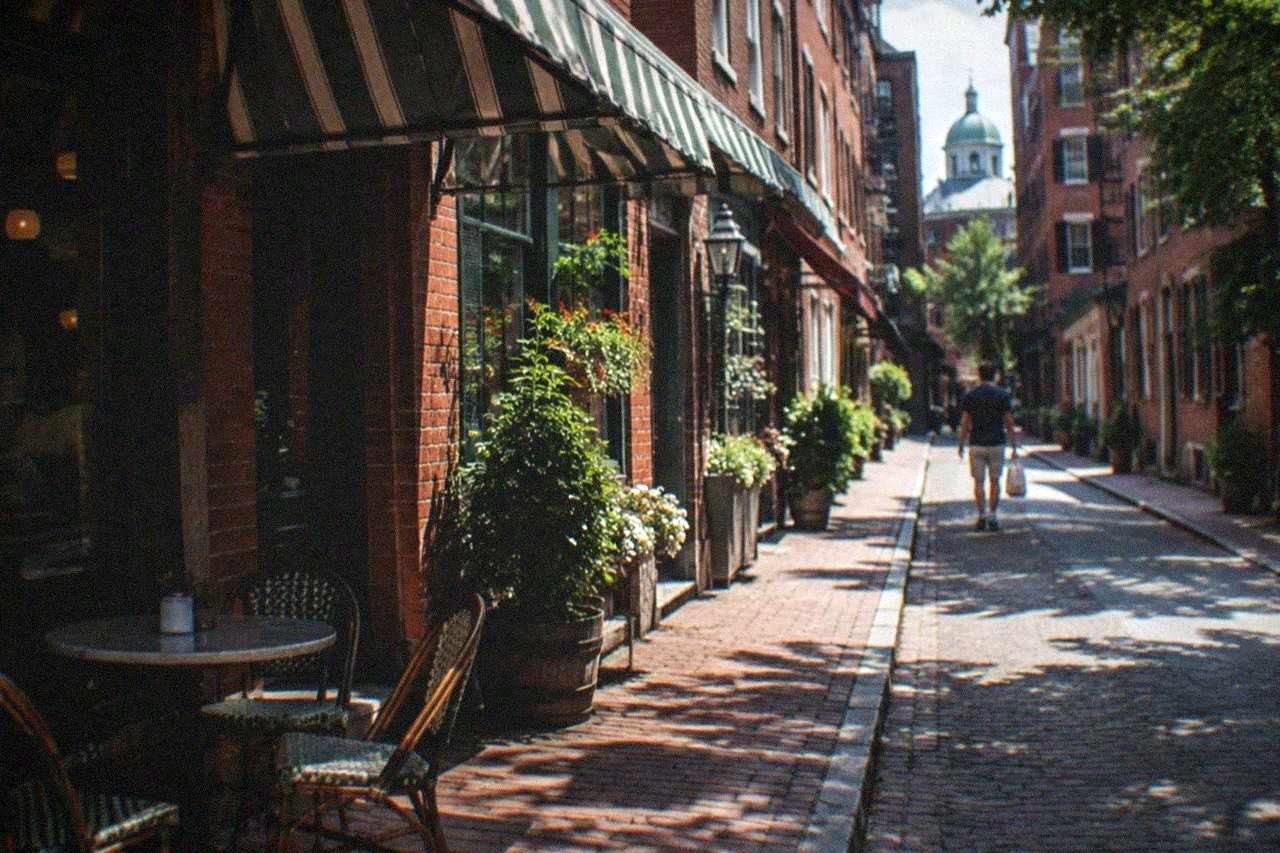
The best windows are late May through June and September through mid-October, when Boston is warm, walkable, and still busy enough that every bakery and taqueria is open full hours. August brings feast season and the biggest crowds. December through February is the quietest and cheapest time, with indoor-friendly tours running on regular schedules.
Boston rewards timing more than most American food cities. The core experience of a food tour here is walking: between five and eight tasting stops spread across a mile or so of sidewalk, and the difference between doing that in 75-degree June air versus a raw February wind chill is the difference between a great afternoon and an endurance test. The neighborhood calendars matter too. The North End runs a summer of Italian religious feasts that fill Endicott and Hanover streets with food stalls, processions, and crowds in the hundreds of thousands, which is either the whole reason to come or a serious obstacle, depending on what you want from the day.
This guide walks through each season honestly, including the ones the tourism brochures skip. It also covers how season changes which tours are even available, how prices and sell-out risk move across the calendar, and the New England weather patterns that no booking listing will warn you about.
What Does Each Season Actually Feel Like In Boston?
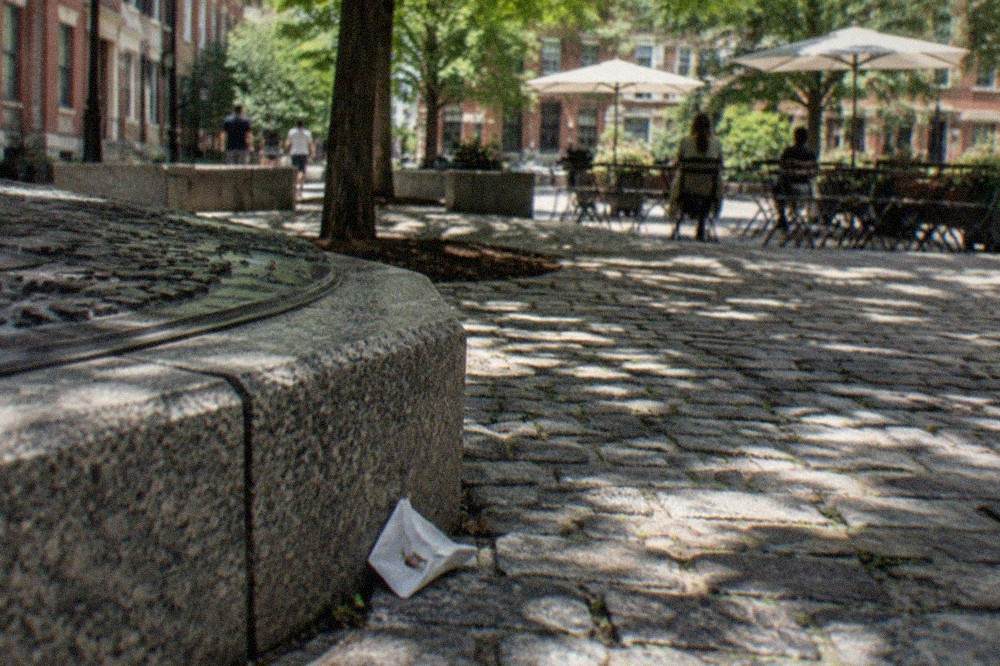
Spring (April to early June) is unpredictable but increasingly pleasant, with everything open and thinner crowds. Summer (late June to August) is warm, humid, and the busiest, especially feast-season August. Fall (September to October) is the sweet spot: mild air, full schedules, peak color inland. Winter is cold, quiet, and cheap, and indoor stops matter more than anywhere else.
New England weather does not ease in gradually. April can deliver a 70-degree Tuesday followed by a 45-degree, raining Saturday, so spring bookings should carry a layer and a backup plan more than any other season. The payoff is real: by May the North End bakeries, Chinatown dim sum halls, and Seaport lobster shacks are all running full hours, but the tourist crush of summer has not yet landed. Guides have more time to talk, and the lines at the famous cannoli counters on Hanover Street stay manageable on weekdays.
Summer is high season, and it earns it. Late June through July is the most reliable warm weather Boston gets, and evening tours in particular shine, with sunset light on the harbor and restaurant patios in full swing. The trade-off is capacity. The most popular walks in the city, including the flagship North End heritage tours, are listed as "often books up," and summer weekends are exactly when that warning bites hardest.
Fall is arguably the true peak for a food-focused visitor. September air is still warm, the summer festival crowds have gone home, and everything is open. October adds crisp walking weather and, inland, foliage that turns even the commuter-rail trip out to a Salem or brewery excursion into scenery.
Winter, from December through February, is the season that surprises people in a good way. Boston averages enough cold rain and snow in these months that outdoor standing time becomes the limiting factor, but the city compensates: Chinatown's dumpling halls, the Boston Public Market's indoor vendor stalls, and the brewery taprooms are all warm, busy, and fully operating.
| Season | Months | Crowd level | Tour availability | Best for |
|---|---|---|---|---|
| Spring | April to early June | Low to moderate | Full, easiest bookings | Cannoli lines without waits, flexible planning |
| Summer | Late June to August | Highest | Full but sells out fastest | Patios, evening walks, feast season |
| Fall | September to October | Moderate to high | Full, sell-out risk in October | The best balance of weather and food |
| Winter | December to February | Lowest | Full, easy bookings | Chinatown dim sum, markets, breweries |
Winter bookings deserve one specific note: the seasonal calendar flips in your favor. A Chinatown dumpling tour or a craft brewery visit loses almost nothing in January, while a two-hour outdoor heritage walk asks more of you. The Small-Group Italian Heritage Walk runs year-round, and in winter its bakery and salumeria stops are the warmest seats in the neighborhood; check availability before you plan around it.
When Is The North End At Its Best?
The North End is at its best from late May through September, when every bakery, salumeria, and pizzeria is open long hours and the neighborhood is fully alive. August is feast season, with St. Anthony's Feast alone drawing more than 250,000 people across a late-August weekend. For calm, book a weekday morning in May, June, or September.
The North End's summer feast calendar is the single biggest seasonal factor for a food tour in Boston, and most visitors have never heard of it until they are standing in the middle of it. Across multiple weekends from mid-August, the neighborhood's Italian community runs religious feasts with processions, live music, and streets lined with food vendors. The 107th annual Saint Anthony's Feast ran August 27 to 30, joined on the calendar by the Fisherman's Feast in mid-August and the San Gennaro feast the weekend after. Endicott Street during St. Anthony's is a wall of sausage grills, cannoli carts, and marching bands, and it is genuinely spectacular.
Whether that is a good time for a food tour depends on what you booked. A guided walk during feast weekend is loud, crowded, and slower-moving between stops, and some tour operators adjust routes or start times around the biggest processions. If feast season is what you came for, book the tour for the Friday or the weekday before, walk the feast itself on your own afterward, and eat twice. If you want the classic quiet Hanover Street stroll, shift to June or September.
The shoulder months give you the North End at full strength without the crush. Recent planning data shows North End foot traffic still tracking below its 2019 peak, about 7.7 percent down in 2025, while the neighborhood's share of citywide restaurant spending has grown, which means the restaurants are thriving but the sidewalks are, statistically, less jammed than the postcard summers. A weekday morning in late September may be the single most pleasant version of this neighborhood that exists.
There is also a longer arc worth knowing about. The neighborhood keeps adding food-focused reasons to visit beyond the classic bakeries: a culinary school and a new North End Historical Museum site on Prince Street have opened as part of a broader development push at the Cross Street corner of Hanover, alongside a Neapolitan cafe and other Italian-themed storefronts. None of that replaces a cannoli counter, but it means a quiet-season visit now has more to fill the gaps between tastings than it did a few years ago, which quietly strengthens the case for booking the calm months.
What About Winter And Indoor-Friendly Tours?
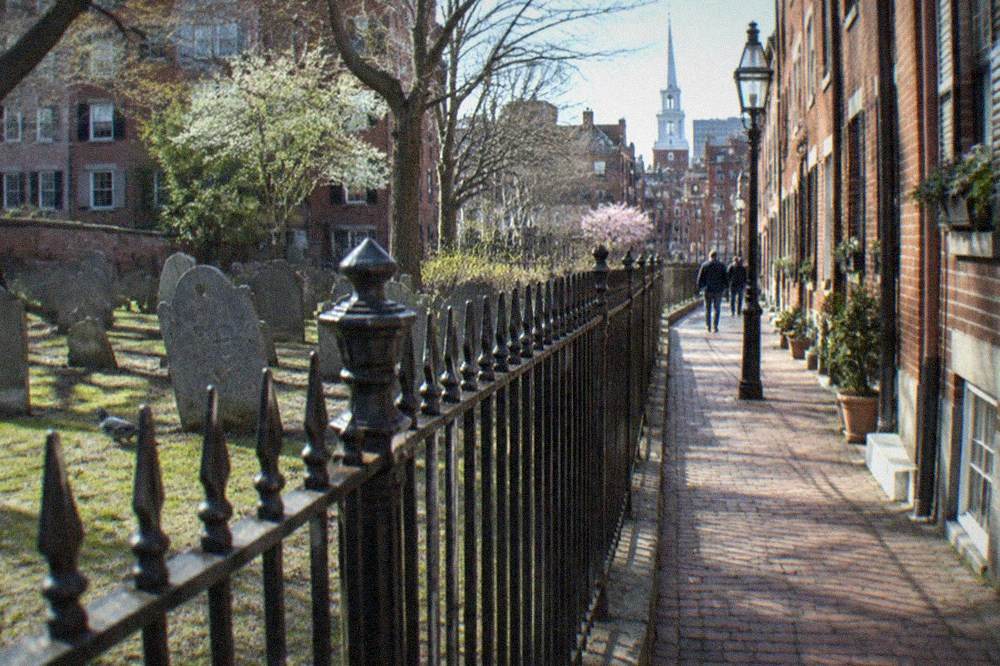
Winter is the best season for Boston's indoor-centered tours: Chinatown dim sum walks, the downtown donut and cider tour, brewery visits, and any stop built around the Boston Public Market. The market runs 8 AM to 8 PM Wednesday through Saturday and closes at 6 PM the other days, and vendor hours vary, so book around the longer days.
A winter food tour lives or dies on how much of it happens indoors, and Boston has quietly become strong at exactly that. The Chinatown dumpling walk moves between steam-filled dining rooms where the cold outside is a punchline, not a problem. Dim sum is a cold-weather food by design, and the big bi-level halls on Essex Street are at their most atmospheric with condensation on the windows. The downtown donut tour is another winter-friendly format, short at two hours and priced from $70, holding a 5.0 rating across 1,392 reviews, which also makes it one of the easiest family bookings on the calendar.
The Boston Public Market at 100 Hanover Street is the winter anchor for the downtown food scene: a permanent indoor hall of New England vendors, open daily, with hours of 8 AM to 8 PM Wednesday through Saturday and 8 AM to 6 PM Sunday through Tuesday, though individual vendors keep their own schedules. A winter morning tour that ends at the market for coffee and a warm pastry is a genuinely good cold-day structure, and the market's own hours are published at bostonpublicmarket.org.
Brewery tours are the other winter pillar. The craft brewery tour with a snack included runs 3.5 hours from $105, holds a 4.9 rating from 28 reviews, and spends its time in warm brewhouses and taprooms rather than on sidewalks. Note that Massachusetts law sets the drinking age at 21, as codified in Chapter 138 of the state's general laws, and every tasting component on these tours follows it. Winter is also the easiest season to get a same-week booking on any of the above.
A few practical winter notes make the difference between a good cold-day tour and a great one. Book midday start times rather than early mornings: the 11 AM and noon slots catch the bakeries and dining rooms at their warmest and busiest, and the sun, when it appears, is at its highest. Build in a longer finish, because a post-tour coffee stop is not optional in January the way it is in June. And treat snow forecasts with respect: Boston clears sidewalks fast in the tourist core, but a fresh storm morning can slow a walking route enough that a guide trims a stop, so the day after a storm is often better than the day of one. The rest of the planning pages sit on Boston Food Tours.
Which Tour Formats Match Which Season?
Classic outdoor heritage walks fit late May through early October. Dessert and donut tours fit summer mornings and fall afternoons equally. Drink-centered tours, meaning the wine and limoncello walk, the cocktail and cannoli walk, and brewery visits, work year-round and peak in winter, while seafood walks shine in summer and the Salem morning walk belongs to September and October.
Matching the format to the month is the part most visitors skip, and it is where the calendar either helps or fights your booking. The pizza and Italian classics walk, from $69 with a 4.8 from 133 reviews, is a two-hour outdoor experience, so it belongs in the warm half of the year. Its sibling, the Small-Group Italian Heritage Walk, carries the family's top review count, a 4.9 from 1,663. The same logic applies to the six-tasting Little Italy walk, from $86, and the three-hour wine and limoncello walk, from $100, which adds a longer standing-and-sipping component that winter makes less appealing. The wine walk holds a 5.0 rating from 518 reviews and often books up, so its summer dates deserve the earliest reservations.
Dessert formats are the most season-flexible on the roster. The downtown donuts and cider tour pairs a cider tasting with fresh donuts, which reads as pure autumn marketing but works in any month, and its family-friendly angle makes it the go-to for school vacation weeks in February and April as much as July. The Harvard Square donut adventure, from $69.75 with a 5.0 from 56 reviews, is the same idea across the river, and the Harvard Square chocolate walk, from $60, is a genuinely good cold-weather format: chocolate shops are small, warm, and indoors.
| Format | Best months | Why the season matters |
|---|---|---|
| North End heritage and pizza walks | May to early October | Mostly outdoor, two to three hours on sidewalks |
| Wine and limoncello walk | June to September | Longest outdoor standing time, evening light helps |
| Donut, cider, and chocolate tours | Year-round | Short durations, indoor-heavy stops, kid-friendly |
| Chinatown dumpling and dim sum walk | November to March especially | Steam-filled dining rooms reward cold weather |
| Seafood and chowder history walk | June to October | Waterfront segment is best in warm air |
| Salem morning coffee walk | September to October | Halloween season is peak; book far ahead |
The seafood and chowder history walk, from $169 with a 4.8 from 237 reviews, is the clearest case of season shaping value. Its route leans on the working waterfront and the historic fish pier, the oldest continuously operating commercial fish pier in the country, established in 1910, and the pier-side segment plus the chowder stops simply land better in summer air. Lobster prices have also been climbing steeply, with live lobster reaching about $17 a pound in some markets and restaurant lobster rolls approaching $50 in the city, which makes the tasting-included format comparatively better value in a year when à la carte seafood is at a premium.
Does Price Or Availability Change By Season?
Base tour prices in Boston do not change much by season; what changes is availability. The roster runs from $34 for a Salem morning walk to $169 for a seafood and chowder history tour, and those listed prices hold year-round. The sell-out warnings, however, concentrate hard into summer weekends and October, so the cheapest strategy is booking a shoulder-season weekday, not waiting for a discount.
Boston's food tour pricing is unusually flat across the calendar. Unlike hotels or flights, the listed from-prices on the major walks stay put: the pizza and Italian classics walk from $69, the six-tasting Little Italy walk from $86, the wine and limoncello walk from $100. What moves is your ability to actually get a seat. Tours flagged "likely to sell out" and "often books up" earn those flags in July and August, and again in the first half of October when foliage travelers and Salem-bound crowds flood the region.
| Tour | From price | Duration | Rating and reviews | Seasonal booking note |
|---|---|---|---|---|
| Small-Group Italian Heritage Walk | $70.40 | 2 hours | 4.9 from 1,663 reviews | Often books up; book 2 to 3 weeks ahead for summer weekends |
| Salem Morning Coffee & Bites | $34 | 1 hour 45 minutes | 5.0 from 93 reviews | Cheapest on the roster; October dates go fastest |
| Downtown Donuts & Cider Tour | $70 | 2 hours | 5.0 from 1,392 reviews | Family favorite; summer mornings fill first |
| Craft Brewery Tour, Snack Included | $105 | 3.5 hours | 4.9 from 28 reviews | Easiest winter booking on the roster |
| Seafood & Chowder History Walk | $169 | 2 hours 45 minutes | 4.8 from 237 reviews | Peak-season experience; summer is prime chowder weather |
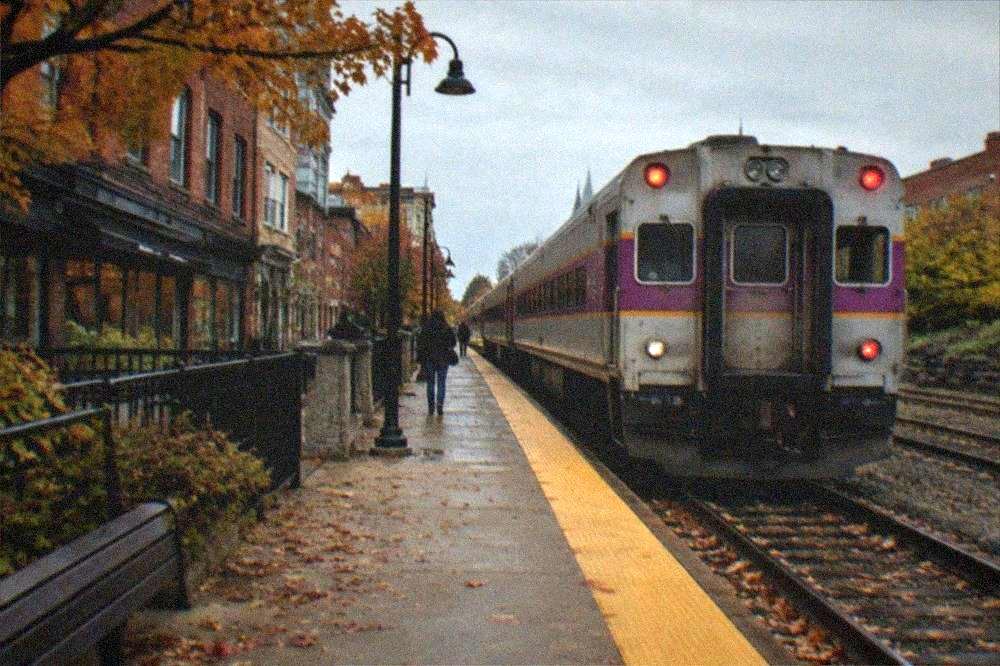
The Salem option deserves its own seasonal note. The morning coffee walk in Salem, from $34 and rated 5.0 from 93 reviews, is the cheapest and shortest tour on this roster, and October is both its best month and its most contested. Salem sits roughly 16 miles from Boston with commuter rail service to North Station in about 30 minutes, per the city's own business and economic development page, and in October that short train ride is standing-room-only with Halloween travelers. If you want the Salem morning walk in October, book it far ahead or take it in September instead.
For the full price picture across every tour type, including how tasting-heavy walks compare with drink-focused ones, read how much Boston food tours cost. The short version: season rarely changes the sticker price, but it changes whether the sticker is still available when you decide.
How Do Boston Weather Patterns Affect A Walking Tour?
Boston's weather is defined by rapid swings rather than steady seasons: coastal storms can drop temperatures 20 degrees in a day, summer humidity peaks in late July and early August, and fall cold snaps arrive suddenly in October. Tours run in nearly all conditions, so plan layers and check the forecast 48 hours out rather than trusting the month.
The practical weather reality for a food tourist is that the walking segments between tastings are short, usually five to ten minutes, so even imperfect days are workable. The exception is genuinely wet weather. New England nor'easters can park over the city for a day of horizontal rain, and a two-hour outdoor walk in that is miserable no matter how good the pizza stop is. The operators run anyway, and the honest advice is that a drizzle is fine and a downpour is a reason to check your cancellation terms before you leave the hotel.
Humidity is the underrated factor. Late July and early August in Boston run hot and close, and a midday tour in that weather demands water and breaks that a September version would not. This is why evening tours sell well in summer: the harbor breeze finally arrives after 5 PM, and the North End turns into a patio neighborhood. Cold is more predictable than heat here. A January tour asks for real outerwear and gloves, and the warm-bakery stops that break up a summer walk become the whole point of the route.
One transit-specific pattern matters for itineraries that cross the river or head to Salem. The Red Line, the main link between downtown and Cambridge, has seen service suspensions and signal delays, including a ten-day closure between Alewife and Park Street in July and daylong signal slowdowns near Harvard, so any food tour plan that leans on the Red Line in peak leaf season should carry a bus or rideshare backup. For the broader picture on getting between neighborhoods without a car, the getting around Boston car-free guide covers the transit map in detail, and the what to wear and eat before a tour guide covers the clothing question season by season.
A final planning habit ties the whole seasonal question together. Treat the month as a filter for crowds, availability, and which tours are even running, then treat the specific 48 hours before your tour as the real decision window: that is when you check the radar, confirm your layers, re-read the cancellation terms, and decide whether the sunset time flatters your route. Travelers who split the decision that way almost never end up on the wrong walk in the wrong weather, and they consistently land the best-rated tours in the months this guide flags, because they booked early for the peaks and improvised comfortably in the valleys.
The bottom line across all of it: pick your month for the crowds and the calendar, then let the forecast, not the season, make your clothing call.
Common Questions About Timing A Food Walk In Boston
Best Time of Year for a Boston Food Tour?
Late May through June and September through mid-October offer the best combination of weather, full food schedules, and manageable crowds. August is feast season in the North End, spectacular but packed. Winter is quiet and cheap, best suited to indoor formats like Chinatown dim sum walks and brewery tours.
What Is the Cheapest Month for a Boston Food Tour?
Listed tour prices stay flat across the year, from $34 for the Salem morning walk to $169 for the seafood history tour, so the cheapest strategy is a shoulder-season weekday in April, May, or late October, when availability is easy and you avoid weekend premiums on hotels and transit.
Is Feast Season a Good Time to Take a North End Tour?
It depends on your goal. The late-August feasts, including St. Anthony's with more than 250,000 attendees, are among the best food events in New England, but tour routes slow down and streets are packed. Book the guided walk for the weekday before a feast weekend and enjoy the festival itself afterward.
Do Boston Food Tours Run in Winter?
Yes, and winter is the easiest season to book. The strongest cold-weather formats are the Chinatown dumpling and dim sum walk from $135.45, the indoor downtown donut tour from $70, the Boston Public Market stops, and the 3.5-hour craft brewery tour from $105. The 21-plus drinking age applies to any tasting component.
How Far Ahead Should I Book?
Two to three weeks ahead covers most tours in shoulder season. For July and August weekends, the first half of October, and anything in Salem during Halloween season, book four to six weeks out. Tours flagged as often booking up, including the flagship North End heritage walk at 4.9 from 1,663 reviews, justify the early reservation.
When Do Boston Tours Sell Out?
Sell-out risk concentrates in summer weekends, feast-season August, and the first three weeks of October when foliage and Salem crowds overlap. Weekday winter and early-spring dates rarely fill. If your dates are fixed in a peak window, reserve the moment your trip is confirmed rather than shopping around.