Where Do Locals Eat In Boston's North End
A local-first eating guide to Boston's North End: which bakeries residents actually queue for, the old-school tables that never left, and the timing tricks that dodge the tourist crush.
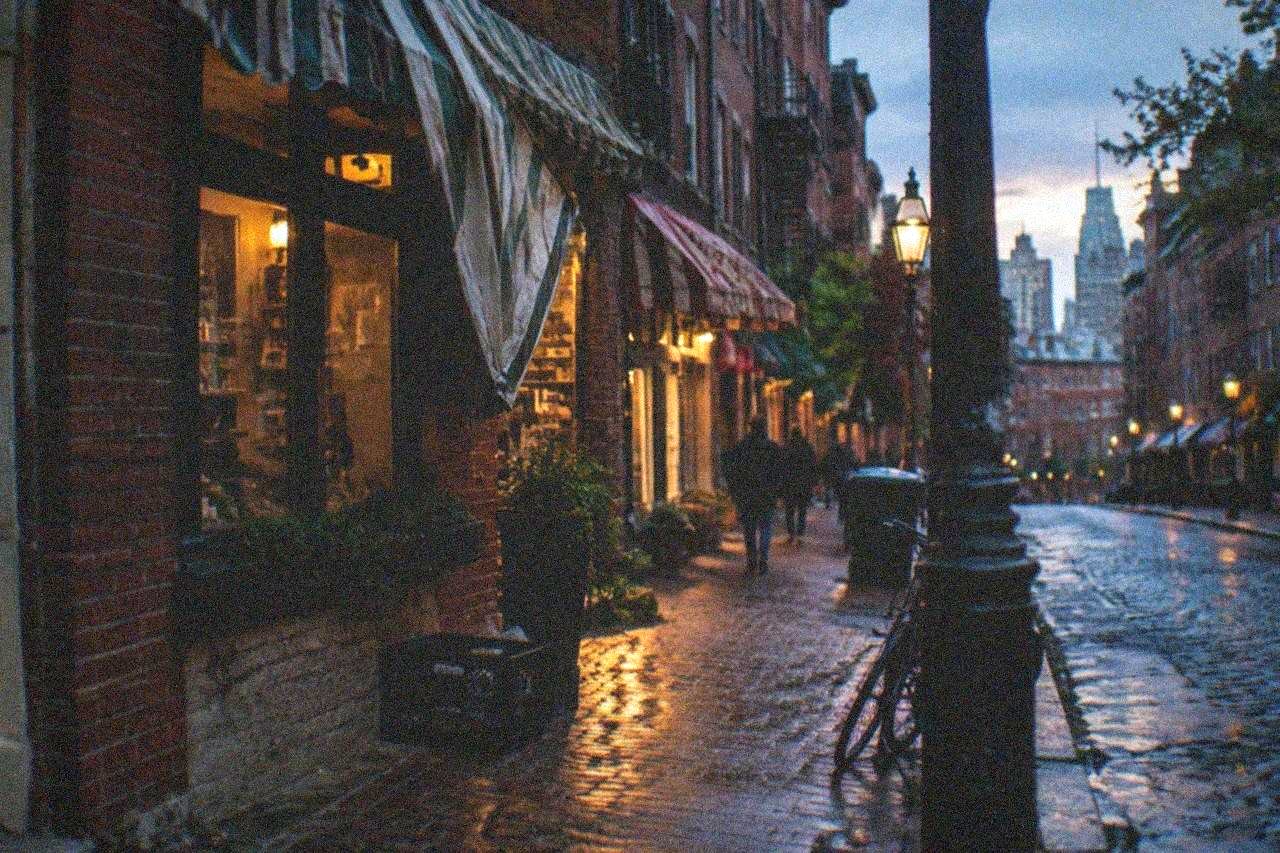
Where Do Locals Eat In Boston's North End
Locals split their eating between Modern Pastry and Bova's Bakery instead of the tourist-heavy stretch of Hanover Street, and they queue at old-school tables like Cantina Italiana, serving since 1931, and Galleria Umberto for Sicilian pizza. They go on weekdays, off-peak hours, and in winter, not feast weekends in August.
The honest answer to this question has a shape: locals eat one block off the path tourists take. Hanover Street is the neighborhood's main artery and its busiest stage, and the blocks around it, Salem Street, Prince Street, Cross Street, hold the tables residents actually keep to themselves. The neighborhood's own history explains why. Boston's North End was "wharfed-out" early and settled by wealthy merchants and seamen, then Irish immigrants in the early 1800s, and it has been a largely Italian community since the 1890s, per the city's own neighborhood history. More than a century of Italian families means the resident shortlist skews old, cash-friendly and resistant to novelty for novelty's sake.
The divide is also economic. A Boston Planning and Development Agency report shows North End visits were down 8.5 percent in 2024 and 7.7 percent in 2025 versus 2019, yet 2025 in-person consumer spending ran 18.9 percent above 2019, and the neighborhood still captures 7.5 percent of citywide restaurant spending. Fewer visitors spending more per visit pushes prices toward the visitor, which is exactly why residents protect their cheap counter spots with something close to ferocity. The Old North Church alone draws more than 500,000 visitors a year through these blocks, and every one of them walks past the bakery lines.
So the local map is not a secret so much as a habit: cannoli from the smaller shop, arancini at midnight from the bakery that never closes, a Sicilian slice at a place that runs out by early afternoon, and a red-sauce table that has been on the same corner since before your parents met. This piece walks through each habit in turn, then covers timing, because in this neighborhood when you go matters nearly as much as where.
If you want the local shortcuts without doing years of reconnaissance yourself, a guided walk compresses the education into two hours. These three cover the resident angle best.
The Small-Group Italian Heritage Walk is this site's flagship for a reason: it leans on heritage and family stories rather than a pure tasting relay, which is closer to how a resident would frame the neighborhood. The Six-Tasting Little Italy Walk does the deeper tasting route, six stops across 2 to 3 hours from $86. And the Pizza & Italian Classics Walk is the entry point, from $69, built around the slices and pastas that never left the local rotation.
Do Locals Really Pick Modern Pastry Over Mike's?
Yes, mostly. A 2025 ranking of ten North End cannoli spots put Modern Pastry at number 2 and Mike's Pastry at number 4, and residents lean toward Modern's smaller, more traditional cannoli while tourists queue for Mike's bigger shells and wider flavor range. Bova's Bakery is the third answer: open 24 hours, cheaper, and beloved.
The rivalry is the neighborhood's longest-running civic debate. Mike's Pastry, on Hanover Street, is the icon: bigger cannoli, dozens of flavors including trendy ones like Dubai chocolate and pumpkin spice, and the signature blue-and-white boxes tied with string that leave the neighborhood as souvenirs by the thousands. Modern Pastry, family-owned and established in the 1930s, makes the smaller, ricotta-dense version locals describe as closer to what a home cook would serve. A UMass student paper's comparison and a masslive.com ranking both landed the same way: tourists favor Mike's, residents defend Modern.
The prices tell the story too. Mike's standard cannoli flavors often run $9, with premium shells like chocolate-covered or Florentine at $10 to $11, while Modern's were cited at $6.50 in an October 2025 ranking and about $5.50 in earlier reporting. For a household that buys a box every week, that gap compounds. One more local habit: the flagship Hanover Street bakeries are typically cash-only, so residents come prepared. Caffe Vittoria and Parziale's get named as shorter-wait alternatives with strong value in the same 2025 rankings.
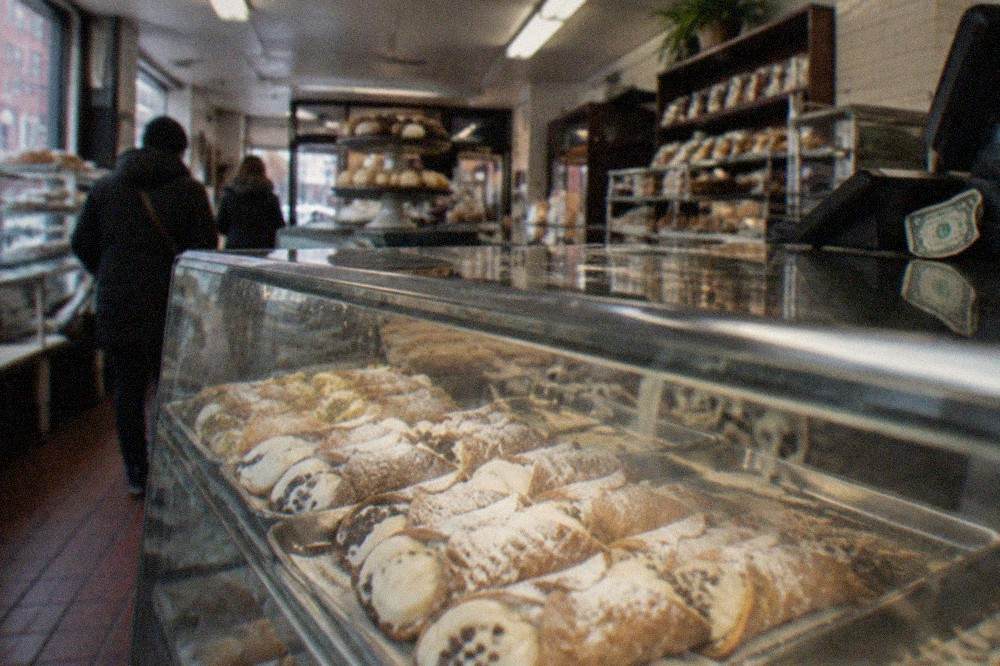
Bova's Bakery, on Salem Street, deserves its own paragraph because it operates outside the rivalry entirely. It celebrated its 100th anniversary in August 2026 with a free cannoli giveaway that drew crowds including Mayor Michelle Wu and Lt. Gov. Kim Driscoll, it remains family-owned, it stays open 24 hours in shifts worked by family descendants, and it was named among the top Italian bakeries nationally in early 2026. Ask a North Ender where they go at 11 p.m. for a lobster tail or arancini, and the answer is Bova's. There is no line at midnight in January, which is precisely the point.
| Bakery | What locals say | Price notes | Best time to go |
|---|---|---|---|
| Modern Pastry (Hanover St.) | The traditionalist's cannoli, smaller and ricotta-dense | Cited at $6.50 in a 2025 ranking, about $5.50 in earlier reporting | Weekday mornings, cash in hand |
| Mike's Pastry (Hanover St.) | Tourist icon, biggest flavor range including Dubai chocolate | Standard flavors often $9, premium shells $10-$11 | Weekday afternoons beat weekends |
| Bova's (Salem St.) | Open 24 hours, cheapest, lobster tails and arancini | Priced below the Hanover Street flagships | Late night, or any hour a feast is not running |
One way to shortcut the cannoli question entirely is to let someone else carry the cash and the queue position. The Cocktails & Cannoli Dessert Walk pairs a North End pastry stop with a cocktail, runs 2 hours from $125, and carries a 5.0 rating from 310 reviews; it is a 21-and-over outing by implication, and Massachusetts law sets the drinking age at 21 without exception for tour settings. The cannoli stops on these dessert walks skew toward the flagship names, which is exactly what a visitor wants and exactly what a local would skip, but the guides tend to narrate the rivalry fairly.
The Old-School Tables Locals Keep To Themselves
Residents anchor their red-sauce eating at Cantina Italiana, the oldest continuously operating restaurant in the historic North End, dating to 1931, alongside Frank DePasquale's Bricco on Hanover Street, the Daily Catch for Sicilian-style seafood, and Trattoria Il Panino. Little Sage, a March 2025 revival by chef Tony Susi, is the rare newcomer locals adopted.
Cantina Italiana is the one that surprises visitors because it sits squarely on Hanover Street and still manages to feel like a local room. It started in 1931 and is described as the oldest restaurant in the historic North End, and its longevity is the whole pitch: a table that has outlived nearly a century of food trends. Bricco, Frank DePasquale's Hanover Street flagship with its adjacent salumeria and panetteria, is where the neighborhood's food-obsessed regulars go for contemporary Italian that still respects the old grammar. The Daily Catch does Sicilian-style seafood in a space so small that regulars treat eating there as a solo ritual, and Trattoria Il Panino keeps a loyal weeknight crowd.
| Spot | Style | Why locals go |
|---|---|---|
| Cantina Italiana (since 1931) | Old-school Italian, Hanover Street | The oldest restaurant in the neighborhood; red-sauce reliability |
| Bricco | Contemporary Italian with salumeria | DePasquale's flagship; the food-serious regulars' table |
| Daily Catch | Sicilian-style seafood | Tiny room, black-pasta classics, no tourist pacing |
| Trattoria Il Panino | Northern Italian | Weeknight default for residents on the side streets |
| Little Sage (opened March 2025) | Chef Tony Susi's revival | The rare newcomer the neighborhood adopted |
Galleria Umberto is the daytime counter everyone should know about and few tourists find in time. Its Sicilian pizza is made in a limited daily supply, so the local move is to arrive before the pan runs out, not before the crowd. It is the same logic that governs Regina Pizzeria's original location, opened 1926 with its coal-to-gas oven still in use: the originals still work, you just have to time them. Our longer roundup of the best North End Italian restaurants goes table by table through these rooms if you want the full spread, and the wider North End neighborhood guide maps the streets around them.
For visitors who want the old-school layer explained rather than just located, a heritage walk is the efficient version of befriending a local. The Small-Group Italian Heritage Walk, from $70.40 for 2 hours with a 4.9 rating across 1,663 reviews, routes through the family-run institutions and tells their histories, which is the part of the neighborhood a menu cannot. It often books up.
What's New On The Blocks, And What Locals Make Of It
The neighborhood is adding more than it is losing: Mike's Pastry opened its fifth location in Logan Airport Terminal C on September 23, 2026, Bova's turned 100 in August, and Frank DePasquale's Cross Street block is adding a culinary school, a Neapolitan cafe and a new North End Historical Museum site on Prince Street. Locals read all of it as the neighborhood investing in itself.
The airport opening is the headline. Mike's Pastry now runs a Terminal C location open daily 5 a.m. to 10 p.m., with filled-to-order cannoli, lobster tails, tiramisu, cookies and an espresso bar, part of Massport's push for local flavors at Logan, as WHDH reported. For locals the calculus is simple: the airport branch absorbs some of the visitor volume, and anything that shortens the Hanover Street line in July is quietly welcomed. It also means you can now end a Boston trip with a cannoli at 6 a.m. before departure, which several of our writers consider the correct final act.
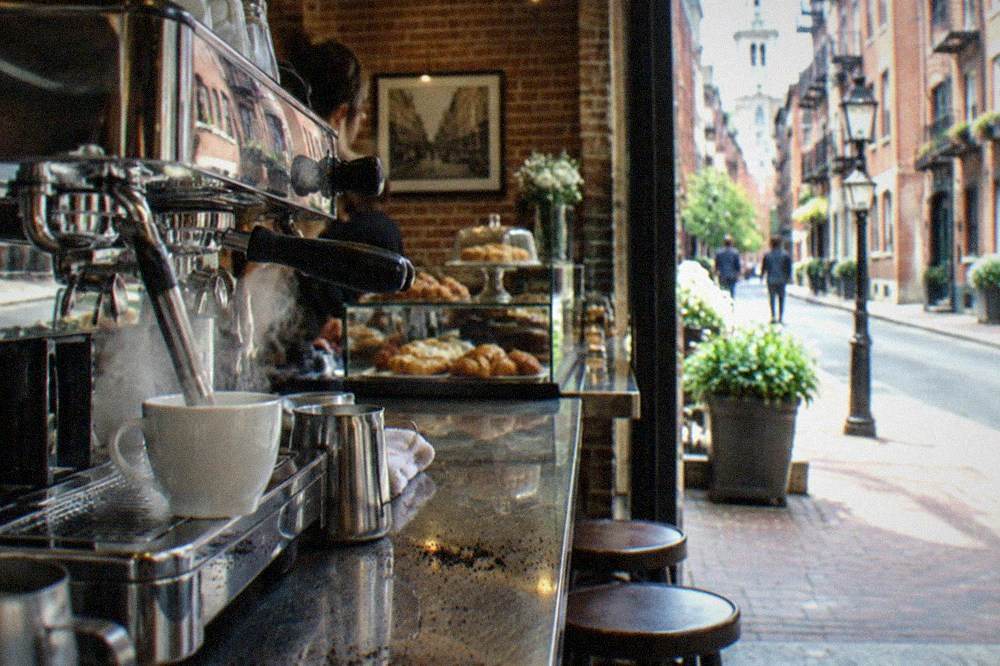
The DePasquale block at 60-80 Cross Street is the bigger structural change. It includes La Scuola, a culinary school in partnership with an Italian school with students already training and an opening targeted for summer 2026, a Neapolitan cafe and other Italian-themed stores, plus funding for a new North End Historical Museum location on Prince Street, which one April 2026 report described as having opened that July. A neighborhood that teaches its own cuisine and archives its own history is planning to stay itself, and residents have largely read the project that way, as giving back rather than cashing out.
No widespread 2026 closures of major long-running spots have been identified, which by recent Boston standards is genuinely good news. The one soft spot is visitor volume, not viability: the same BPDA report that showed the visit declines also showed spending strength, meaning fewer people are spending more, a pattern that squeezes the budget locals care about.
When Do Locals Go: Timing The Crowds
Locals eat the North End on weekday mornings and winter Tuesdays, they never plan dinner during the August feast weekends, when Saint Anthony's alone draws more than 250,000 people, and they use Bova's 24-hour clock as the pressure valve. The tourist year peaks in summer; the resident year peaks whenever the streets are empty.
August is the exception that proves the rule. The feast season, Fisherman's Feast August 13-16, San Gennaro August 21-23, and Saint Anthony's with St. Lucy August 27-30 in 2026, is the neighborhood's own celebration and the largest Italian religious festival in New England. Residents love it and also plan their restaurant meals around it, because the processions, food stalls and crowds take the streets for four straight weekends. If you want to eat like a local in August, you either join the feast fully, cash in hand for the vendors, or you book a table in September.
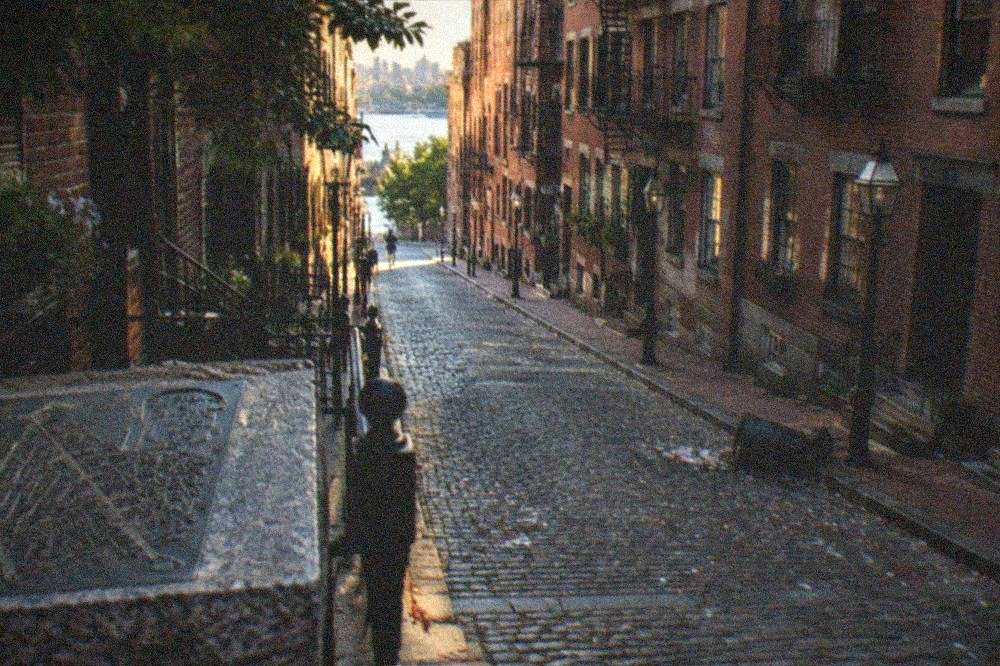
The rest of the calendar is quieter and simpler. Weekday mornings before 11 a.m. belong to residents buying bread and pastries before the tour groups arrive; early winter evenings belong to them almost entirely. The shoulder seasons, late October through March, are when a North End restaurant feels like a neighborhood room again. Copp's Hill Burying Ground, laid out in 1659 and the resting place of more than 1,000 free Black residents and enslaved people by the Revolutionary War per the city's burying ground record, sits on the resident side of the neighborhood, and the streets around it are a good proxy for where the tourist volume thins.
| Time | Who owns the streets | Local move |
|---|---|---|
| Weekday mornings before 11 a.m. | Residents buying bread, pastries, espresso | Pastry run before the tour groups form |
| Weekday dinner | Split between locals and visitors | Book the old-school tables, or walk in early |
| Feast weekends in August | Everyone; Saint Anthony's draws 250,000+ | Join the feast with cash, or come in September |
| Late night, any season | Bova's regulars | Arancini and lobster tails at midnight |
| Winter weekdays | Almost entirely residents | The closest thing to a private neighborhood |
Tours follow a similar logic, and the ones timed well get a better version of the neighborhood. Morning departures catch the bakeries at their freshest and the streets at their emptiest, which is why the local-first framing on Boston Food Tours leans toward earlier starts. If you are weighing a visit around one of the feast weekends, the best time of year for a Boston food tour breaks down the seasons in more detail.
How A Guided Walk Gets You The Local Version
A two-hour guided walk reaches the resident layer faster than solo exploring because guides hold the queue positions, the cash and the family stories at once. The Small-Group Italian Heritage Walk, from $70.40 with a 4.9 rating across 1,663 reviews, covers heritage rather than a pure tasting relay, and its small-group format is what keeps the stops feeling local.
There is an honest limit to doing this neighborhood alone. The cash-only counters, the Sicilian pizza that sells out, the bakery rivalry, the feast calendar: none of it is signaled from the street, and a first-time visitor can spend three days and still eat only the two most famous rooms. A guide who lives the neighborhood collapses that gap. The trade-off is that the flagship walks do include the famous names, because a visitor should see them once. What differs is the narration: the better walks explain why Modern edges Mike's for locals rather than just handing you a cannoli.
The three North End formats split cleanly. The Small-Group Italian Heritage Walk is the depth pick, 2 hours, from $70.40, 4.9 across 1,663 reviews, and it often books up, so check dates early. The Six-Tasting Little Italy Walk is the volume pick, six local dishes across 2 to 3 hours from $86 with a 4.8 rating from 306 reviews, and it sells out often too. The Pizza & Italian Classics Walk is the budget pick at from $69, 2 hours, 4.8 from 133 reviews, and it covers exactly the category locals never stopped eating. If you want the full expectations rundown, our piece on what to expect on a North End food tour walks through each format's stops and pacing.
Book the Small-Group Italian Heritage Walk details or Check availability if the small-group angle is what you are after; the from-$70.40 price and 2-hour length make it the easiest one to fit before a dinner reservation.
Whether you walk it guided or alone, the local formula holds: one block off Hanover, cash in your pocket, weekdays when you can, and a bakery that never closes as your backup plan. The neighborhood has been feeding its own since the 1890s. It has gotten very good at it.
Common Questions About Eating Like A Local In Boston's North End
Where Do Locals Eat in Boston's North End?
Locals favor Modern Pastry over Mike's Pastry for cannoli, Bova's Bakery for 24-hour arancini and lobster tails, Cantina Italiana for old-school red sauce, Bricco for contemporary Italian, Galleria Umberto for Sicilian pizza, and Little Sage as the adopted newcomer. They go on weekday mornings and in winter, and they avoid restaurant dinners during the August feast weekends.
Which cannoli do locals actually prefer, Mike's or Modern?
Most residents defend Modern Pastry's smaller, more traditional cannoli, and a 2025 ranking of ten North End spots placed Modern second and Mike's fourth. Mike's still wins on size, flavor variety including trendy options like Dubai chocolate, and sheer fame. Bova's is the third answer for late hours and lower prices.
What time of day is the North End least crowded?
Weekday mornings before 11 a.m., when bakeries are at their freshest and tour groups have not yet formed. Winter weekdays are the quietest of all. August feast weekends are the most crowded, with Saint Anthony's Feast alone drawing more than 250,000 people over its run.
Do you need cash in the North End?
Yes for the flagship Hanover Street bakeries, which are typically cash-only. Restaurants generally take cards. The feast vendor stalls in August are also cash-based, so bring bills for both situations.
Is Bova's Bakery really open 24 hours?
Yes. Bova's has run around the clock in shifts worked by family descendants for nearly a century, and it celebrated its 100th anniversary in August 2026. It is the neighborhood's default late-night stop for arancini, lobster tails and pastries at any hour.
Can a food tour show me the local spots, not just the famous ones?
To a point. The flagship walks do include the famous names because visitors should see them once, but heritage-focused walks like the Small-Group Italian Heritage Walk lean on family stories and the neighborhood's history, which is the layer a menu cannot show. Pair a guided walk with your own off-Hanover wander afterward for the full local picture.