North End Boston: A Visitor's Guide To The Neighborhood
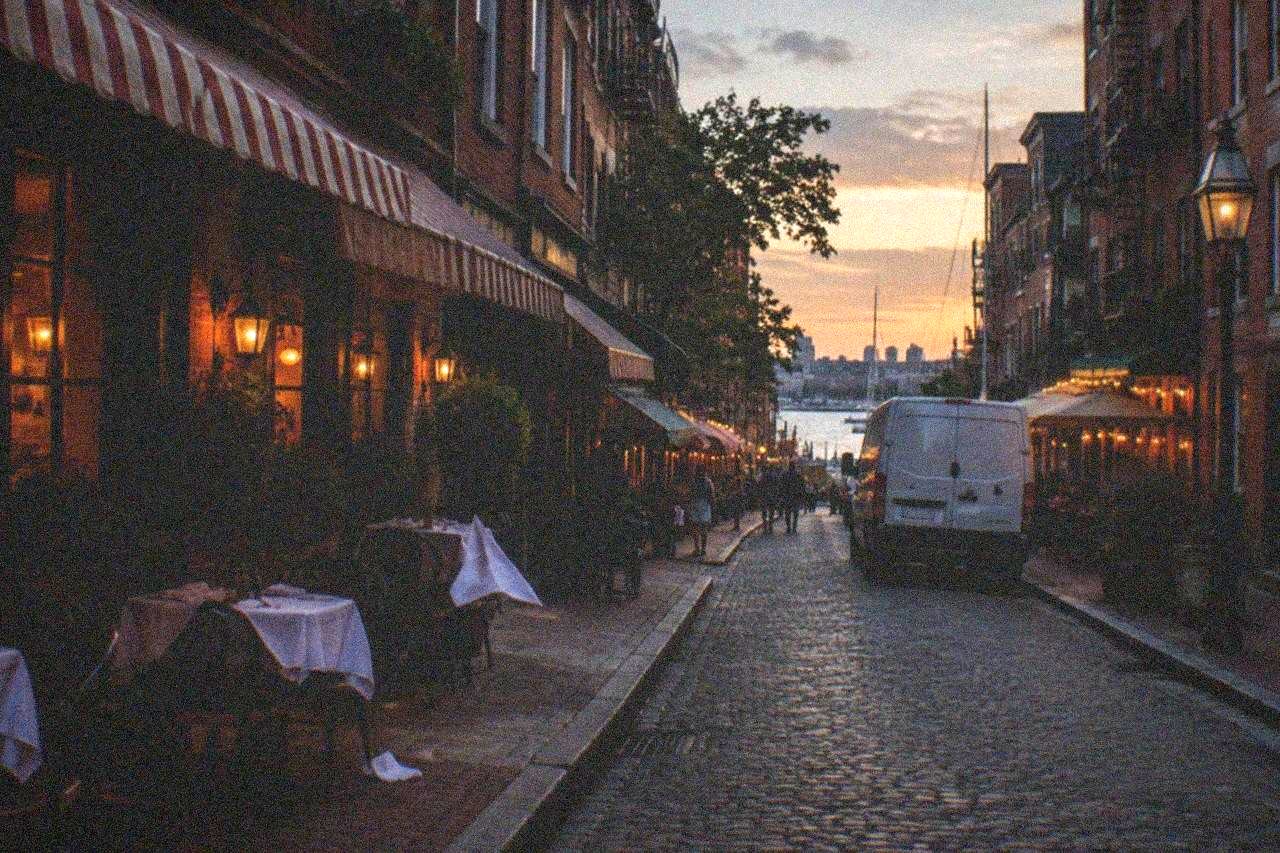
The North End is Boston's oldest surviving neighborhood and its Little Italy: roughly a square mile of brick rowhouses, bakeries and pasta restaurants packed onto a peninsula that has been feeding the city for generations.
Short answer
The North End is a compact waterfront peninsula just northeast of downtown Boston, home to a largely Italian community since the 1890s. Hanover Street is its spine, lined with restaurants, Mike's Pastry and Modern Pastry. Most visits take two to four hours on foot. Guided food tours here run 2 to 3 hours and from $69 to $100 per person.
The North End is the kind of neighborhood that punishes people who plan badly and rewards everyone else. It is small, walkable and dense with food, but it is also crowded on summer weekends, short on parking and confusing for anyone who arrives expecting a museum district. This guide is an orientation: where the neighborhood came from, how its streets fit together, what to eat, when the feasts shut the streets down, and which guided tours cover the ground if you would rather not navigate the cannoli lines on your own. For a site dedicated to eating its way across the city, this is the neighborhood where Boston Food Tours spends more of its time than anywhere else.
What Is The North End In Boston?
The North End is a small residential peninsula northeast of downtown Boston, separated from the rest of the city by an above-ground highway and connected to it by footbridges. Roughly one square mile, it has been home to a largely Italian community since the 1890s and functions today as Boston's Little Italy: bars and restaurants, bakeries and specialty shops packed into a grid of narrow brick streets. Most first visits center on Hanover Street, the neighborhood's main drag, and the Freedom Trail sites that pass through it.
The numbers explain both the appeal and the crush. The North End captures 7.5 percent of citywide restaurant spending, a remarkable share for a neighborhood this small, and the Old North Church on its Freedom Trail stretch draws more than 500,000 visitors a year. That is a lot of foot traffic for streets laid out long before anyone imagined tour buses or lobster roll lines.
Here are the basics at a glance:
| Fact | Detail |
|---|---|
| Location | Peninsula northeast of downtown, across from the Financial District |
| Nickname | Boston's Little Italy |
| Italian community since | 1890s |
| Main streets | Hanover Street, Salem Street, Prince Street, Cross Street |
| Signature foods | Cannoli, lobster tails, pizza, pasta, espresso |
| Landmark sites | Old North Church, Paul Revere House, Copp's Hill Burying Ground |
| Typical visit time | 2 to 4 hours on foot |
| Quietest hours | Weekday mornings, before 11 a.m. |
One planning note up front: this is a neighborhood best eaten across multiple visits rather than conquered in one. A single afternoon can cover a cannoli, a slice of pizza and a walk past the Revere House. Doing more than that, especially in August, takes either luck or a guide who knows which lines are worth joining.
A Short History Of The North End
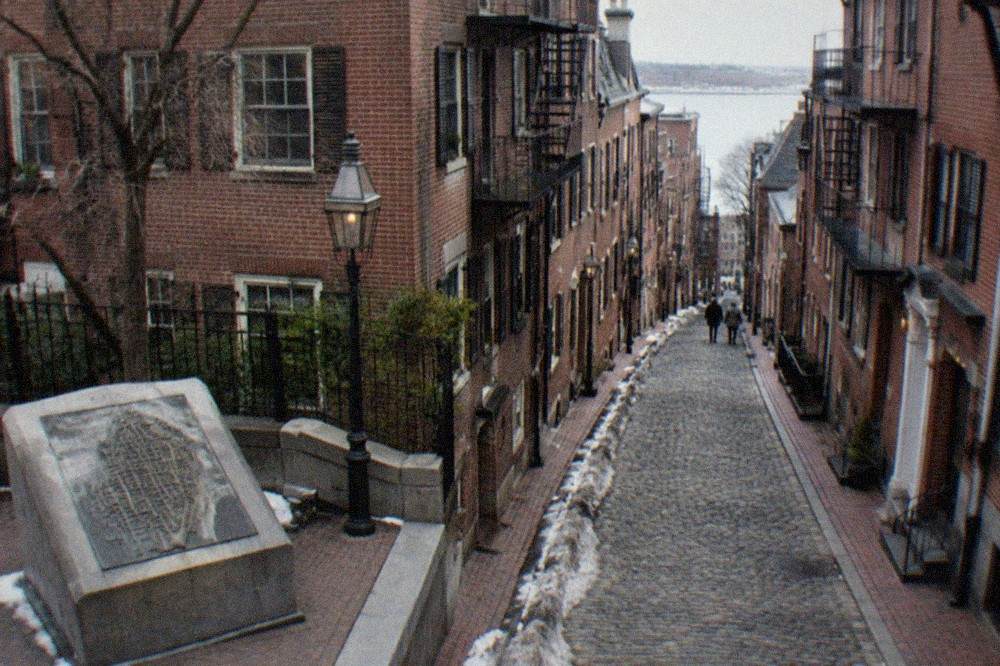
The North End is one of Boston's oldest neighborhoods, wharfed out early as home to wealthy merchants and seamen, with Irish immigrants arriving in the early 1800s. By the 1890s the community had become largely Italian, a character it has held ever since. Copp's Hill Burying Ground, laid out in 1659, was the second burial ground on the Boston peninsula, and more than 1,000 free Black residents and enslaved people had been buried there by the Revolutionary War.
The early story is mercantile. The city's own neighborhood history notes that the North End was "wharfed-out" early, its shoreline extended with docks for trade, and its earliest residents were the merchants and sailors who ran that trade. The grand houses of that era are mostly gone. What survived, and what gives the neighborhood its current shape, is the later fabric: brick rowhouses, narrow lots and corner bakeries built for working immigrant families.
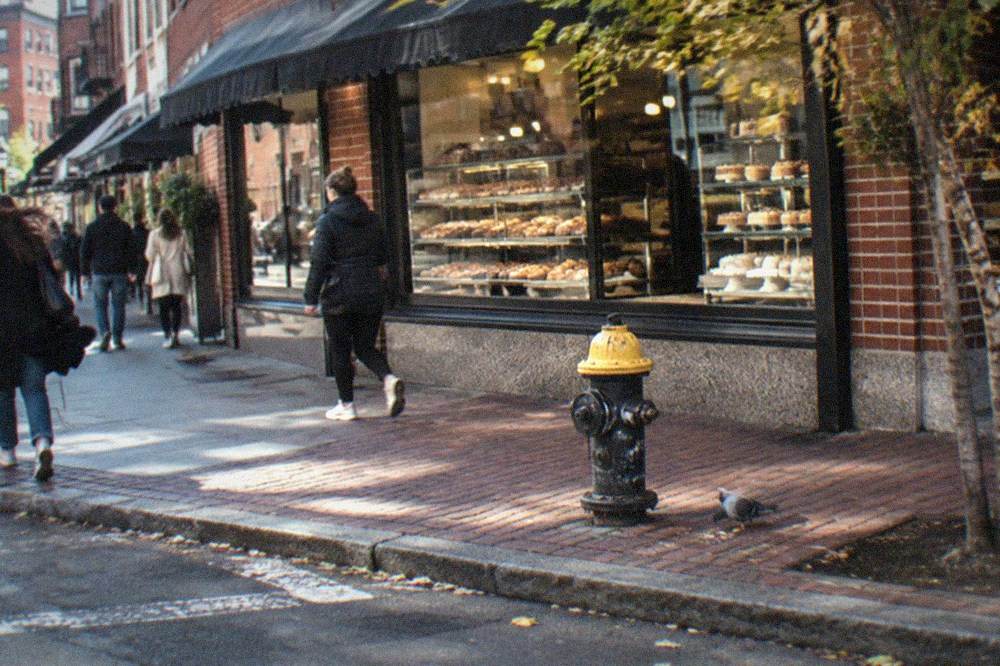
The Italian arrival in the 1890s transformed the local economy of the streets. Bakeries, salumerias and pasta shops replaced earlier businesses block by block, and several of the institutions that arrived in that wave are still operating: Regina Pizzeria opened in 1926 and still uses its original oven, and Cantina Italiana, started in 1931, is described as the oldest restaurant in the historic North End. Modern Pastry is a family bakery established in the 1930s, and Bova's Bakery has been run by the same family for nearly a century, open 24 hours in shifts by descendants.
That depth of continuity is rare in American cities, and it is the reason the neighborhood reads differently from a themed shopping district. The people selling you a lobster tail on Salem Street are often selling it from a shop their great-grandparents opened. The burying ground detail above comes from the city's North End history documentation, and Copp's Hill's early burials are described in the city parks department's site page for the ground.
For visitors, the history is not just atmosphere; it explains the food. The feast traditions, the pastry rivalries and the resistance to chain retail all trace to a community that has been continuously Italian-owned at street level for four generations.
How The North End Is Laid Out: Street By Street
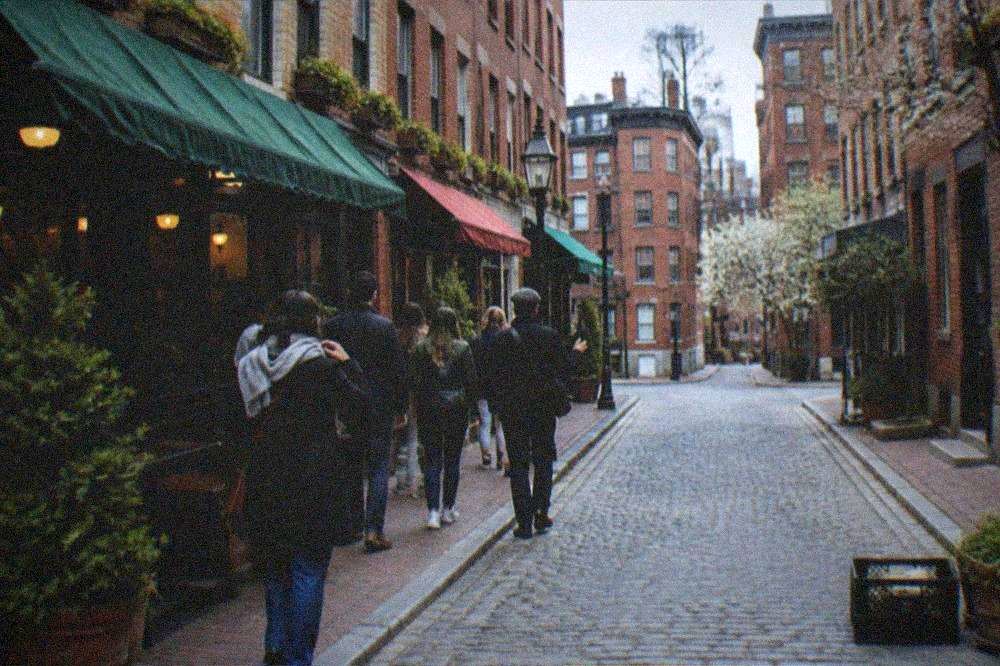
Hanover Street is the main spine of the North End, running northeast from the Rose Kennedy Greenway toward the Old North Church, and it holds the heaviest concentration of restaurants, Mike's Pastry and Modern Pastry. Salem Street runs parallel one block north and carries the quieter local shops, including Bova's. Cross Street and Causeway Street mark the southern edge, and the Freedom Trail enters from the south, past the Paul Revere House on the way to Copp's Hill. The whole grid is a ten-minute walk end to end.
Walking it is the only sensible plan. The streets predate cars, parking is scarce and expensive, and the neighborhood's attractions are stacked within a few blocks of each other. The practical question is not how to cover the ground but in what order, and the answer depends on what you came for.
This is how the main pieces fit together:
| Street or landmark | What you find there | Best for |
|---|---|---|
| Hanover Street | Mike's Pastry, Modern Pastry, most restaurants, Caffe Vittoria | First visit, cannoli, dinner |
| Salem Street | Bova's Bakery, salumerias, quieter local shops | Breakfast, late-night pastries |
| Paul Revere Mall | The Revere House, freedom trail sites, green space | History between tastings |
| Prince Street | Restaurants and the new North End Historical Museum site | A calmer dinner street |
| Cross Street | Neighborhood gateway from the Greenway | Entering on foot from downtown |
| North Square | The oldest residential square in Boston | A quiet pause two blocks off Hanover |
Two orientation tricks save real time. First, enter from the south across the Greenway footbridges rather than trying to drive in; the surface roads around the neighborhood are confusing and the parking fills early. Second, do the pastry lines and the historic sites in alternation, not in sequence: a wait at Mike's that stretches to forty minutes is easier to accept with the Revere House already behind you.
The Cannoli Question: Mike's, Modern And Bova's
Mike's Pastry on Hanover Street is the volume play: large cannoli, a wide flavor list including trend flavors like Dubai chocolate and pumpkin spice, and the blue-and-white boxed souvenir. Modern Pastry, a block away, is the traditionalist choice, with a smaller, richer cannoli that locals and many rankings favor. Bova's on Salem Street is the third option: open 24 hours, family-run for a century, and rarely carrying a long line. A 2025 ranking of ten North End cannoli spots placed Modern second and Mike's fourth.
The rivalry is genuine and generational, and it is the closest thing the neighborhood has to a civic sport. Mike's has the tourist reputation and the scale, with filled-to-order cannoli, lobster tails, tiramisu and an espresso bar, plus multiple locations beyond the North End. Modern has the counter seating, the family history and the pastry case that changes with the seasons. Bova's has the clock: it is the place open at midnight, and it celebrated its 100th anniversary in August 2026 with a free cannoli giveaway that drew the mayor.
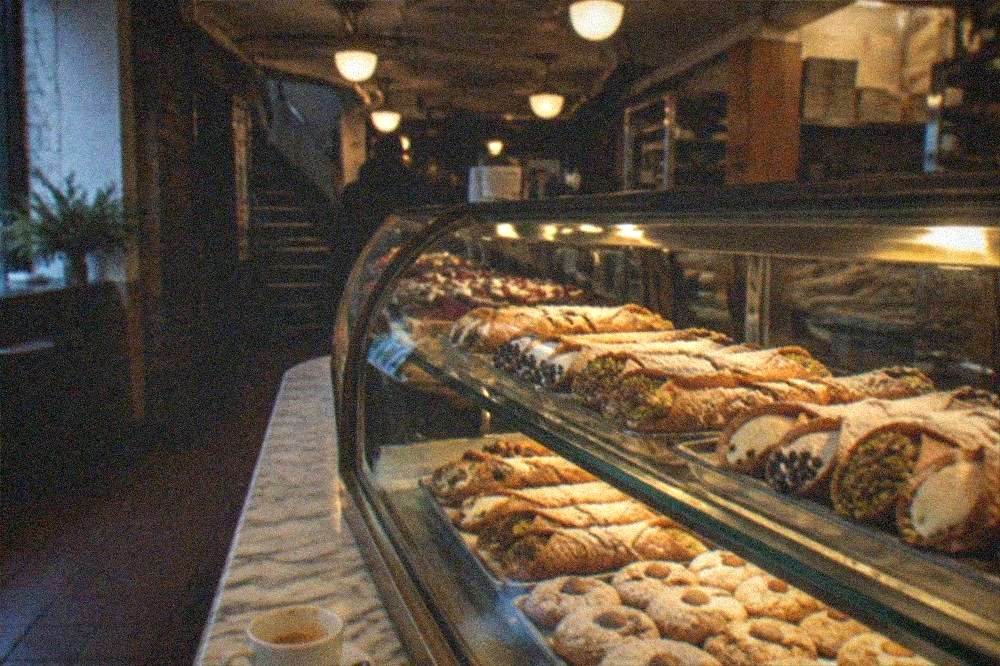
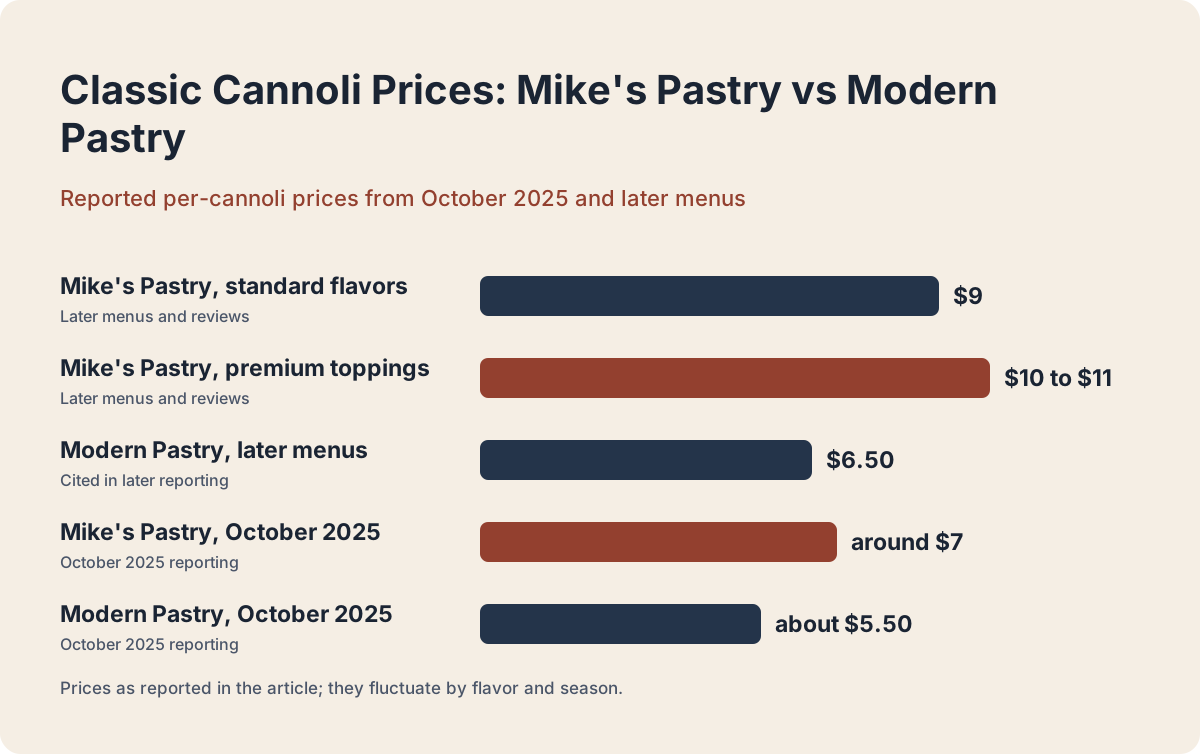
Price and payment are the practical variables. October 2025 reporting put Mike's cannoli around $7 each and Modern's at about $5.50; later menus and reviews showed Mike's standard flavors at $9 and premium toppings at $10 to $11, with Modern cited at $6.50. Fluctuations by flavor and season are normal. The cash-only norm on Hanover Street catches a lot of visitors off guard, so bring bills.
| Bakery | Character | Price of a classic cannoli | Hours to know |
|---|---|---|---|
| Mike's Pastry | Large, many flavors, souvenir boxes | Around $9, premium $10-$11 | Long lines on weekends |
| Modern Pastry | Smaller, traditional, seasonal case | Around $6.50 | Counter seating, shorter waits |
| Bova's Bakery | 24/7, lobster tails, arancini | Check the case | Open around the clock |
The honest answer to which is best: the one with the shortest line at the moment you are standing there. All three make a cannoli worth the walk, and a serious visitor does not choose, they sample. For the wider pastry landscape and a structured way to taste across multiple counters, the cannoli-focused guides on this site go deeper than a neighborhood orientation can.
Where The Restaurants Are Beyond Cannoli
Past the pastry shops, the North End's serious eating happens in a handful of long-running Italian restaurants: Bricco on Hanover Street for contemporary Italian, Cantina Italiana since 1931 for old-school red sauce, Galleria Umberto for Sicilian pizza in a limited daily supply, and the Daily Catch for seafood done Italian-style. Reservations matter on weekend evenings, and lunch is the calmer way into the better tables.
The restaurant depth is what separates the North End from a tourist strip. Frank DePasquale's Bricco anchors the contemporary end of Hanover Street with an adjacent salumeria and panetteria, and his group is developing a full block at Cross Street with a culinary school, La Scuola, a Neapolitan cafe and other Italian-themed stores, plus a new North End Historical Museum site on Prince Street that opened in July 2026. That kind of investment does not happen in a neighborhood on the decline.
| Restaurant | Known for | Since |
|---|---|---|
| Regina Pizzeria | Coal-oven pizza, original oven still in use | 1926 |
| Cantina Italiana | Oldest restaurant in the historic North End | 1931 |
| Bricco | Contemporary Italian, salumeria next door | Modern era |
| Galleria Umberto | Sicilian pizza, closes when the daily supply runs out | Long-running |
| Daily Catch | Seafood in Italian preparations | Long-running |
For a fuller restaurant itinerary, the guide to the best North End Italian restaurants covers the dining decisions in detail, and where locals eat in the North End tracks the spots residents actually queue for. The short version for a first visit: one pizza, one sit-down pasta meal, one pastry stop, in that order of importance.
Feasts, Festivals And When The Streets Fill Up
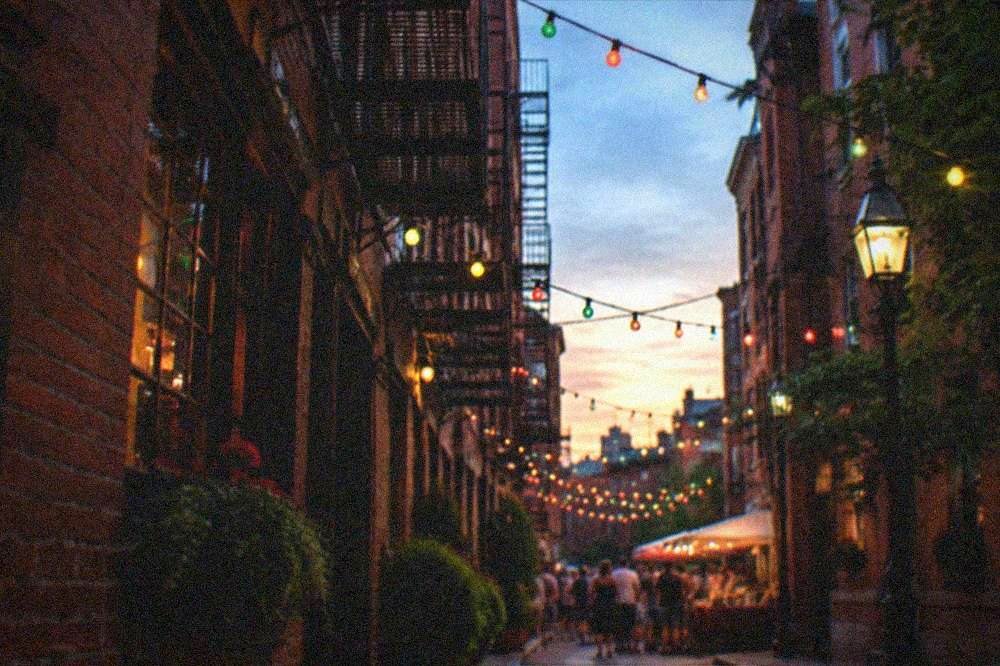
The North End's summer feast season runs across multiple August weekends, led by Saint Anthony's Feast, the 107th running of which drew more than 250,000 people over four days, along with the Fisherman's Feast and San Gennaro. During feasts, processions, food stalls and live entertainment take over Endicott and surrounding streets, entry is free, and vendors take cash. Feast weekends are the most vivid time to visit and the most crowded.
The feasts are religious festivals first and food festivals second, which is exactly why the food is good. St. Anthony's ran August 27 to 30 in the most recent year, with processions, cooking demonstrations, Italian food stalls and free entertainment. Fisherman's Feast and San Gennaro follow in the same month, so late August is effectively a multi-week festival season that boosts crowds and street food activity across the whole neighborhood.
| Feast | Timing | Scale |
|---|---|---|
| Fisherman's Feast | Mid-August weekend | Neighborhood-wide |
| San Gennaro | Late August weekend | Multi-block |
| Saint Anthony's Feast | Late August, four days | 250,000+ attendees |
Visitors should know two things about feast weekends. First, they are worth planning around if you want spectacle, and worth avoiding if you want a quiet dinner reservation. Second, restaurants stay open and get slammed, so book ahead or accept a wait. Outside of feast weekends, the rhythm is simpler: weekend evenings busy, weekday mornings near empty.
Crowds, Timing And The Best Months To Go
Late April through June and September through October are the best windows to visit the North End: warm enough for outdoor tables and walking, before the peak July and August tourist crush and feast-season crowds. Weekday mornings before 11 a.m. are the quietest hours of any season, with short pastry lines and empty sidewalks, while summer weekend afternoons bring the longest waits. Winter visits trade crowds for cold and shorter hours.
The neighborhood's own visitor data tells an interesting story. A Boston Planning and Development Agency report shows North End visits were down 8.5 percent in 2024 and 7.7 percent in 2025 relative to 2019, yet 2025 in-person consumer spending ran 18.9 percent above 2019. Fewer visits, more spending per visit: the people who do come are eating their way through the neighborhood more seriously than before. For a food-focused traveler, that is confirmation that the eating here justifies the trip, whatever the crowd calendar says.
| Season | Crowd level | Trade-offs |
|---|---|---|
| Spring (Apr-Jun) | Moderate | Best balance of weather and space |
| July | Heavy | Peak tourists, hot sidewalks |
| August | Heaviest | Feast season, huge crowds, street food |
| Fall (Sep-Oct) | Moderate | Cool, walkable, festival-free |
| Winter | Light | Some reduced hours, cold wind off the harbor |
The fuller decision, including weather patterns and event calendars across the year, is covered in the best time of year for a Boston food tour. The North End-specific addendum is simply that August is a special case: it is both the worst month for crowds and the only month with the feasts, so it depends entirely on which of those you weigh more.
Guided Food Tours That Cover The North End
Four guided North End food tours currently run between 2 and 3 hours, priced from $69 to $100 per person. The Small-Group Italian Heritage Walk starts at $70.40 with a 4.9 rating from 1,663 reviews, the Pizza & Italian Classics Walk costs $69, the Six-Tasting Little Italy Walk is $86, and the Wine & Limoncello Walk is $100, with several flagged as likely to sell out.
The case for a guide here is specific to this neighborhood. The North End rewards context, and its best stories, from the burying ground to the feast traditions to the pastry rivalry, are not posted on signs. A good guide also solves the line problem: groups move through counters on a schedule rather than joining the back of every queue.
Here is how the guided options compare:
| Tour | Decision name | Length | From (per person) | Rating and reviews |
|---|---|---|---|---|
| Small-Group Italian Heritage Walk | Italian Flavors and Heritage Walk | 2 hours | $70.40 | 4.9 from 1,663 reviews |
| Pizza & Italian Classics Walk | Pizza & North End Italian Classics | 2 hours | $69 | 4.8 from 133 reviews |
| Six-Tasting Little Italy Walk | North End & Little Italy, Local Dishes | 2-3 hours | $86 | 4.8 from 306 reviews |
| Wine & Limoncello 3-Hour Walk | Wine and Limoncello Tasting | 3 hours | $100 | 5.0 from 518 reviews |
The Small-Group Italian Heritage Walk is the recommendation for a first visit. It covers the neighborhood's history and its tastings in one two-hour loop, its 4.9 rating across 1,663 reviews is the deepest review pool of any tour on the roster, and it often books up. Check availability if that format fits.
If pizza is the priority, the Pizza & Italian Classics Walk does a focused two-hour circuit at from $69, the lowest entry price among the North End options, with a 4.8 rating from 133 reviews. It suits visitors who want the classics without the walking distance.
For a longer afternoon with a drink in the mix, the Wine & Limoncello 3-Hour Walk runs three hours at from $100 with a 5.0 rating from 518 reviews, pairing tastings with wine and limoncello. Note that Massachusetts sets the drinking age at 21, and this format is built for adults accordingly.
Visitors weighing guided versus independent eating can also read what to expect on a North End food tour, which walks through the format stop by stop. The one-line version: a tour trades flexibility for context and pace.
Getting There: T, Parking And Walking In
The North End is best reached on foot or by transit: the Haymarket station on the Green and Orange lines sits one block from its southern edge, and the walk from downtown across the Greenway takes under ten minutes. Driving is the weak option, since neighborhood parking is scarce, resident-permitted and expensive, and feast weekends close streets entirely. From Cambridge or Brookline, the Green Line to Haymarket is the direct route.
The geography favors the walker. The neighborhood sits directly across the Greenway from downtown, connected by pedestrian bridges, and its grid is small enough that a car becomes a liability the moment you arrive. Anyone coming from farther out, Logan Airport or the suburbs, should park outside the neighborhood entirely and walk in.
Two practical notes finish the orientation. First, the Boston Public Market at 100 Hanover Street, just south of the neighborhood edge, runs 8 a.m. to 6 p.m. Sunday through Tuesday and 8 a.m. to 8 p.m. Wednesday through Saturday, with vendor hours varying, and makes a good breakfast stop before a North End walk. Second, if your broader trip covers more of the city, getting around Boston without a car explains the transit picture; the North End needs none of it once you are adjacent.
Common Questions About The North End, Boston
What is the North End in Boston known for?
The North End is known as Boston's Little Italy: a largely Italian community since the 1890s, packed with restaurants, bakeries and cannoli shops along Hanover and Salem Streets, plus Freedom Trail sites including the Old North Church and the Paul Revere House.
How long does it take to walk around the North End?
The neighborhood is roughly a square mile and takes about ten minutes to walk end to end. A relaxed food-focused visit covering pastry stops, a meal and the historic sites typically runs two to four hours on foot.
What is the best time to visit the North End?
Weekday mornings before 11 a.m. are the quietest hours of any season. Late April through June and September through October offer the best balance of weather and space. August brings the feasts, including Saint Anthony's with more than 250,000 attendees, along with the year's heaviest crowds.
Which cannoli bakery is better, Mike's or Modern?
There is no settled answer. Mike's Pastry offers larger cannoli and a wide flavor list, including trend flavors, while Modern Pastry is favored by many locals for a smaller, more traditional cannoli. A 2025 ranking of ten North End spots placed Modern second and Mike's fourth. Both flagship locations are typically cash-only.
How much do North End food tours cost?
Guided North End food tours run from $69 to $100 per person for two to three hours. The Small-Group Italian Heritage Walk starts at $70.40, the Pizza & Italian Classics Walk at $69, the Six-Tasting Little Italy Walk at $86, and the Wine & Limoncello Walk at $100.
Can you drive and park in the North End?
You can, but it is rarely worth it. Parking is scarce, largely resident-permitted and expensive, and streets close entirely during August feast weekends. Haymarket station sits one block from the neighborhood edge, and the walk from downtown takes under ten minutes.