North End vs. Chinatown Food Tour: Which To Choose
A head-to-head comparison of Boston's two flagship neighborhood food tour formats, North End Italian and Chinatown dim sum, covering food, price, history, and which one fits your trip.
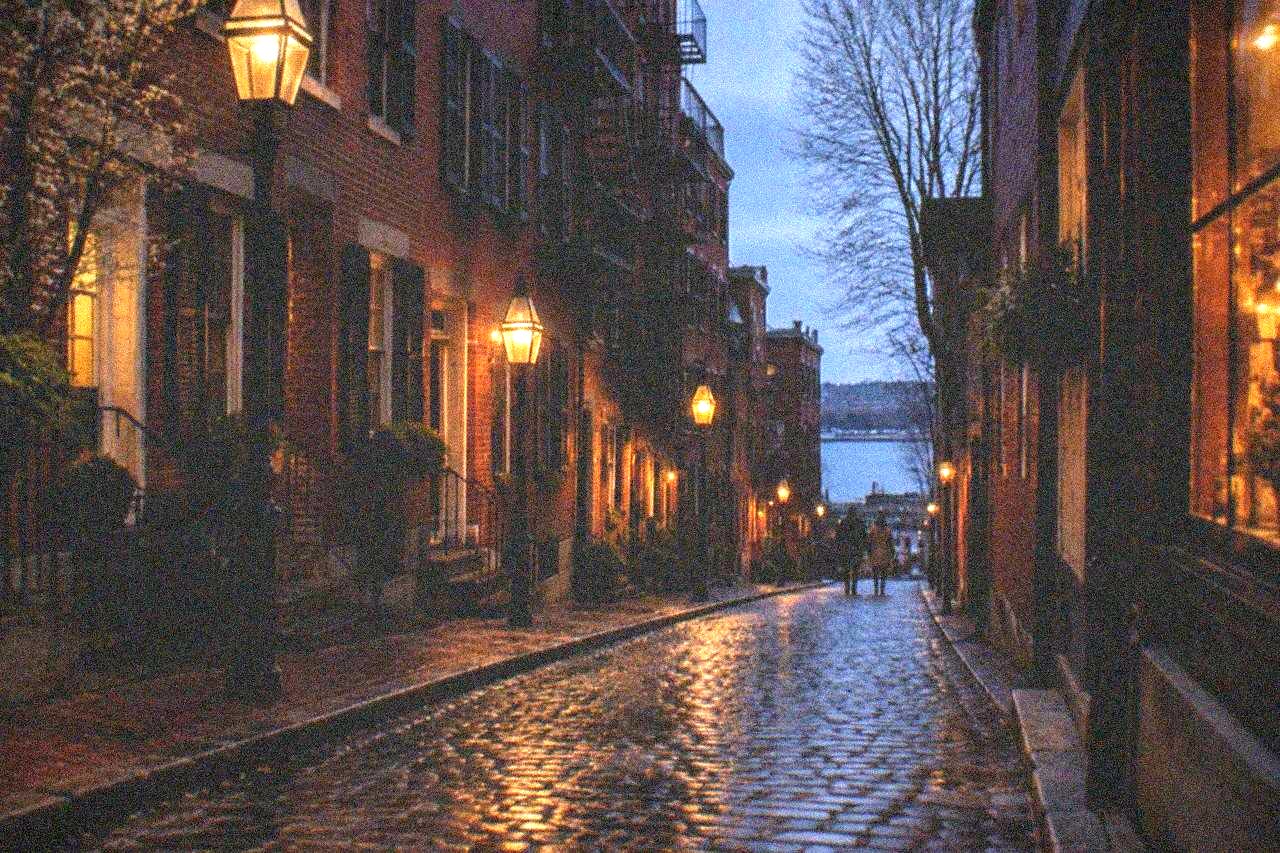
North End vs. Chinatown Food Tour: Which To Choose
Choose the North End if you want the classic Boston postcard, Italian pastry culture, and the widest choice of tour times, with prices from $70.40. Choose Chinatown if you want cart dim sum, soup dumplings, and a more compact two and a half hour walk from $135.45. Both formats sell out regularly, so the right answer usually comes down to which food you actually want to eat.
The honest starting point is that these are not two versions of the same product. A North End tour is built around one long immigrant story, Italian cooking, and a neighborhood that has been feeding tourists and its own residents at the same counters for generations. A Chinatown tour is built around variety and velocity: multiple kitchens, multiple regional traditions, and a dining culture where the meal is measured in small plates arriving fast. Neither is a diluted version of the other.
The practical differences show up early. The North End roster at Boston Food Tours runs from a $69 pizza-focused walk to a $100 wine and limoncello experience, with durations between 2 and 3 hours, which gives you real room to match a tour to a budget or a schedule. Chinatown on this site is a single, tighter format: the Dumplings & Dim Sum Walk, 2.5 hours from $135.45, with a 5.0 rating from 22 reviews. That smaller review pool matters, and this site states it plainly rather than rounding it up into a "highly rated" claim.
For many visitors the decision is simpler than it looks, because the two tours rarely compete for the same person. Travelers who already know they want cannoli, pizza, and Italian pastry pick the North End before they finish reading the itinerary. Travelers whose favorite restaurant at home is a dumpling house pick Chinatown. The comparison below is for everyone in between, which is most people.
What Kind Of Food Do You Actually Eat On Each Tour?
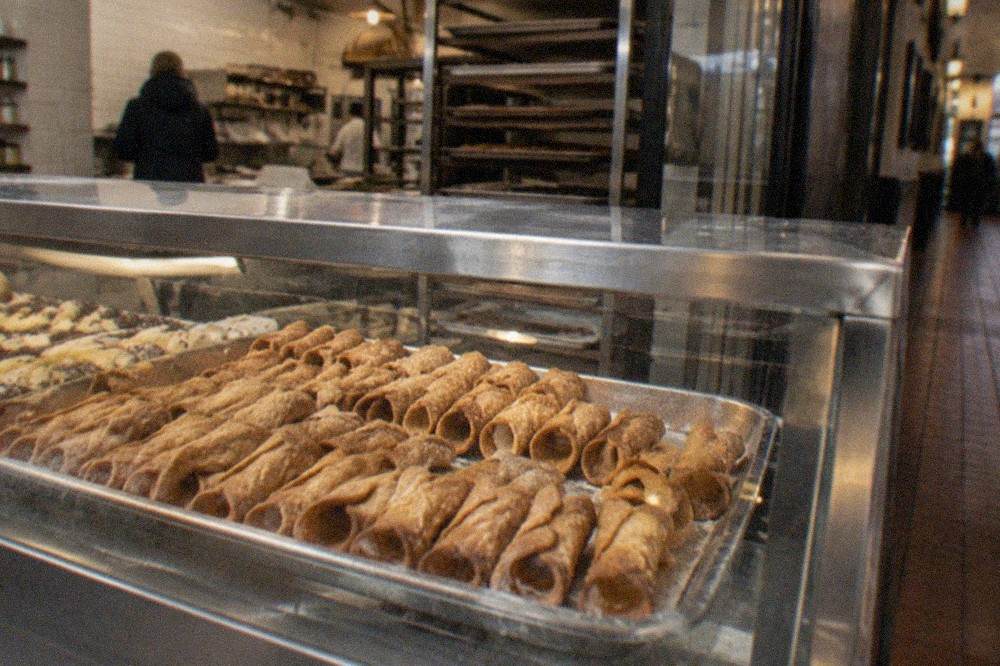
North End tours are built around Italian staples: pizza, pasta, cannoli, pastries, and espresso, often with a wine or limoncello tasting on the longer versions. Chinatown tours move through dumplings, dim sum, and regional Chinese cooking, with some walks adding Vietnamese stops. The North End is a deep dive into one cuisine, while Chinatown is a survey across several.
On a North End walk you can expect the format to hold steady across the different listings even as the stops change. The Pizza & Italian Classics Walk, from $69 with a 4.8 rating from 133 reviews, keeps its focus tight on slices and classic counter food over 2 hours. The Six-Tasting Little Italy Walk, from $86 with 4.8 from 306 reviews, spreads six stops across 2 to 3 hours and is the closest thing to a full meal in the lineup. The Wine & Limoncello walk adds an alcohol tasting to the pastry stops and runs 3 hours from $100. That one is effectively an adults-only product, since Massachusetts law sets the drinking age at 21 and the tasting component is the point of the tour.
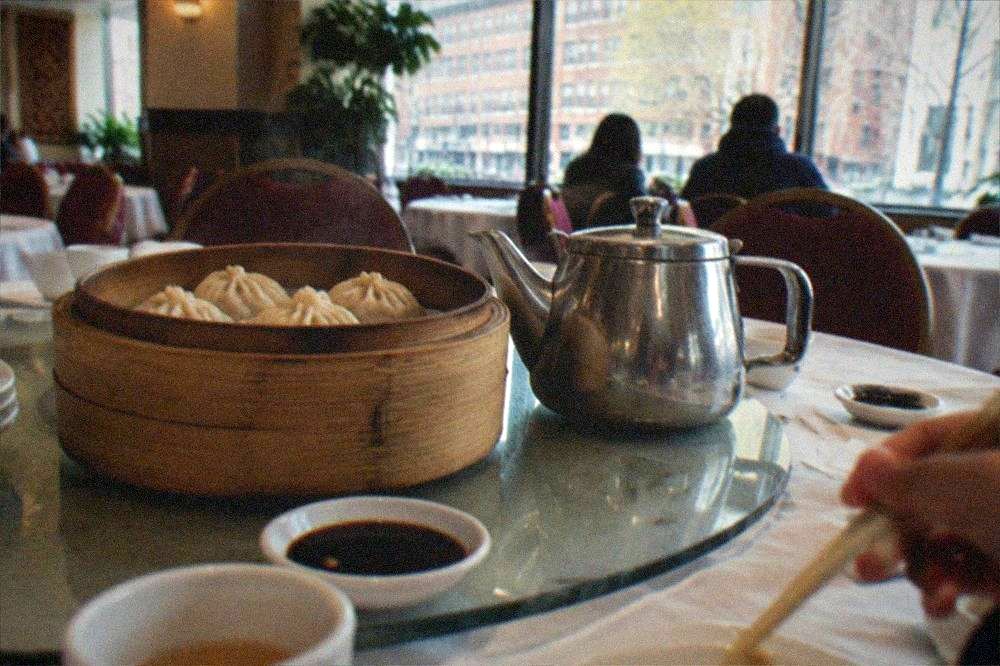
Chinatown works differently. The Dumplings & Dim Sum Walk from $135.45 is centered on the neighborhood's dim sum tradition, which remains a weekend institution drawing Cantonese families to cart-service dining rooms and made-to-order kitchens alike. Recent mapping of the neighborhood's restaurant scene highlights longstanding bi-level dim sum houses alongside newer Shanghainese spots serving soup dumplings presented in a birdcage, plus Taiwanese dumpling specialists and a Vietnamese staple that has been open since 1991. A good guided walk samples across that spread rather than settling into one room.
| Food factor | North End tours | Chinatown tour |
|---|---|---|
| Core cuisine | Italian: pizza, pasta, cannoli, espresso | Chinese regional: dumplings, dim sum, plus possible Vietnamese stops |
| Typical stop count | Varies by listing; the flagship Six-Tasting walk does six stops | Multiple kitchens across a compact walk |
| Alcohol included | Yes on the Wine & Limoncello walk, 21+ implied, from $100 | Not a feature of the listing |
| Sweet finish | Cannoli and pastry stops are near universal | Dessert is not the focus |
| Portion reality | Tastings add up to a meal on most listings | Dim sum rounds add up to a meal |
The appetite question deserves more weight than most travelers give it. If you do not eat much red sauce, cheese, or fried pastry, the North End can feel narrow by the third stop. If you are wary of unfamiliar items or shared small plates, a dim sum room can be disorienting in a way a pizza counter never is. Neither is a trap; both are just cuisines with strong personalities, and the tour amplifies whichever personality you already lean toward.
The Chinatown format also tends to produce a more communal table. Dim sum is built for groups, and tours there often end up sharing dishes family-style across a single large table. The North End format is more of a moving snack crawl, standing and walking between counters, which suits travelers who would rather keep moving than sit for forty minutes. If you have mobility concerns or small children who need to sit, that difference alone can decide the question.
How Do The Prices And Formats Compare?
The North End offers the widest price spread, from $69 for the pizza walk to $100 for the wine and limoncello version, all in the 2 to 3 hour range. Chinatown sits at the premium end at $135.45 for 2.5 hours. Guided Boston food walks generally run $70 to $110, so the Chinatown listing prices above the typical band, and the North End lets you choose your tier.
Price alone is a weak comparison tool here, because the inclusions differ so much. The cheapest North End listing, the Pizza & Italian Classics Walk at $69, buys a focused 2 hour experience with a modest review pool of 133. The flagship product on this site, the Small-Group Italian Heritage Walk, starts at $70.40 and carries a 4.9 rating from 1,663 reviews, which is the largest verified review count on the entire roster. Paying essentially the same money for the deepest-reviewed product is one of the easier calls in Boston food touring.
| Listing | Decision name | Price | Duration | Rating and reviews |
|---|---|---|---|---|
| North End Italian Flavors and Heritage Walk | Small-Group Italian Heritage Walk | From $70.40 | 2 hours | 4.9 from 1,663 reviews |
| Pizza & North End Italian Classics | Pizza & Italian Classics Walk | From $69 | 2 hours | 4.8 from 133 reviews |
| North End & Little Italy with Local Dishes | Six-Tasting Little Italy Walk | From $86 | 2-3 hours | 4.8 from 306 reviews |
| North End with Wine and Limoncello Tasting | Wine & Limoncello, 3-Hour Walk | From $100 | 3 hours | 5.0 from 518 reviews |
| Chinatown: From Dumplings to Dim Sum | Dumplings & Dim Sum Walk | From $135.45 | 2.5 hours | 5.0 from 22 reviews |
The Chinatown price point reflects what the format has to cover. Moving a group through multiple kitchens, coordinating with restaurant owners who are also serving their regular weekend crowd, and building a route through a dense commercial district costs an operator more than a fixed pastry crawl does. Reviewers consistently report that the format works, and the 5.0 rating is real, but 22 reviews is a young pool, and this site will not dress that up as a proven track record. The North End listings with four digit review counts have simply been stress-tested by far more guests.
One more format note: the North End listings on this site are flagged as likely to sell out or often booking up, and the Chinatown walk carries the same flag. Boston food tours in general skew toward advance booking for this reason, and many listings across the city's operator landscape offer free cancellation up to 24 hours before the start time, which makes early booking low-risk. If your dates are fixed around a festival weekend or a Red Sox home stand, book whichever walk you choose several days ahead.
Which Neighborhood Is Better For History And Walking?
The North End wins on layered, tour-friendly history: one of Boston's oldest neighborhoods, a 1659 burying ground, and Freedom Trail sites woven between the food stops. Chinatown's story is more urban, a compact district shaped by generations of Chinese and Asian immigration, and the walking is shorter and easier on the legs.
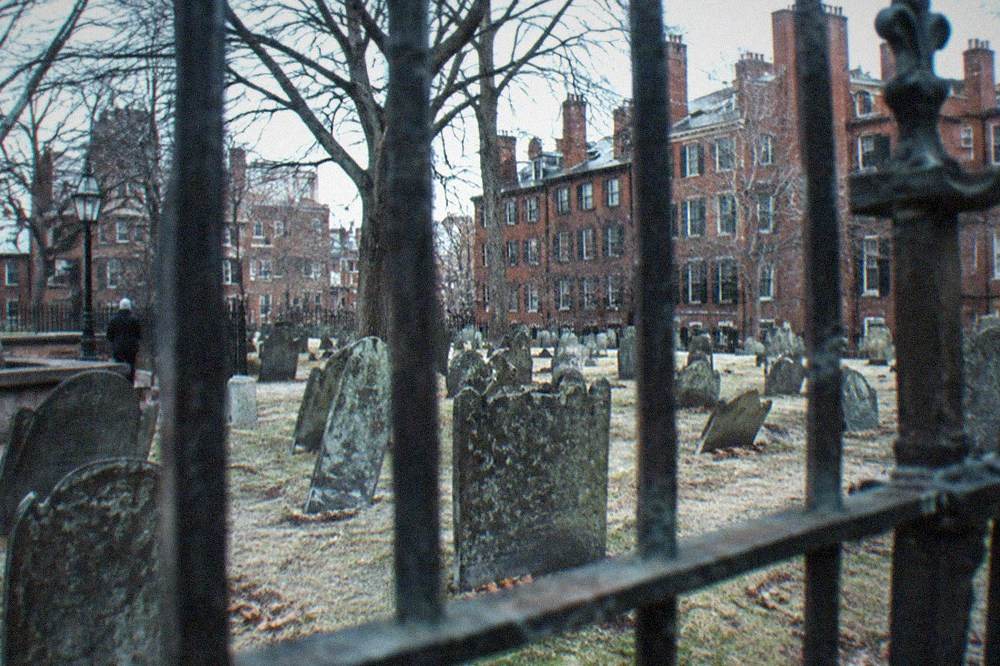
The North End is one of Boston's oldest neighborhoods, settled early by merchants and seamen, reshaped by Irish immigration in the early 1800s, and largely Italian since the 1890s. That timeline gives a guide an enormous amount to work with, and the city's own neighborhood history documentation traces exactly these waves. Add Copp's Hill Burying Ground, laid out in 1659 as the second burial ground on the Boston peninsula, and the Freedom Trail threading past the Old North Church on its way through the district, and a North End food tour doubles as a history walk whether the listing promises it or not. The Food & History Combo Walk on this site makes that pairing explicit, running 3 hours from $135.45 with a 5.0 rating from 45 reviews.
Chinatown's history is less monumental but no less real. The district has functioned as a cultural and culinary anchor for Asian communities across Greater Boston for generations. Recent land use analysis of Northeast Chinatowns found Boston's Chinatown lost roughly 17 percent of its restaurants over the past decade amid rising rents and development pressure, with the neighborhood's Asian population share declining by more than 20 percent over the same period. A food tour there supports the remaining family businesses directly, which is a point several local operators make explicitly.
For pure walking comfort, Chinatown is the gentler day. The district is compact, a few short blocks, and the tour spends meaningful stretches seated indoors. The North End is also walkable but hillier at its edges, longer on its feet, and crowded on summer weekends when feast season fills Endicott and Hanover Streets. If your group includes anyone who tires quickly, weigh that honestly. If your group wants photographs and stories between bites, the North End delivers more per block.
North End Or Chinatown For Families And Kids?
The North End is the more flexible family pick, with multiple listings at 2 hours and a food style kids reliably eat. Chinatown works well for adventurous children who enjoy dumplings and noodles, and the seated dim sum format is friendlier to toddlers than a standing crawl. Neither listing on this site is marketed as alcohol-first for families, though the wine walk is 21+ implied and should be treated as adults only.
Italian food is the single most kid-approved cuisine on either walk's menu, which is why the North End tends to win the family question by default. Pizza, bread, pastry, and mild cheese require no negotiation. The wider listing choice helps too: families can pick the shorter Pizza & Italian Classics Walk at 2 hours rather than commit a child to a 3 hour itinerary, and the tiered pricing keeps a family of four within reach. For a full family-focused breakdown, the site's guide to a Boston food tour with kids covers this question in detail, and the sibling guide to the North End food tour lays out which listing suits which age group.
Chinatown deserves more family credit than it usually gets. Dim sum was practically invented for communal eating, carts of small plates arriving in quick succession hold a child's attention far better than a sit-down dinner, and most rooms are loud enough that nobody notices a noisy table. A dumpling kitchen with an open prep line is genuinely entertaining for a curious eight year old. The caveats are portion and spice: not every small plate suits a cautious eater, and a guide's route assumes some adventurousness. Families with picky eaters should message the operator before booking and ask which stops can flex.
Group composition matters beyond children, too. Bachelor parties and couples' anniversaries skew toward the Wine & Limoncello walk in the North End, while office groups and friend reunions often report the shared-table dim sum format as the better icebreaker. Solo travelers, notably, tend to have an easier time on the North End walks, where the crawl structure generates constant natural conversation, than at a family-style Chinatown table where seats are pre-assigned.
Which Should You Book For A First Visit To Boston?
Book the North End for a first visit. The neighborhood combines the food tour with the Freedom Trail, the harbor, and the city's most photographed streets, so one 2 hour walk covers eating and sightseeing at once. Save Chinatown for a second visit or for travelers who have already seen the historic core and want the city's other great food district.
The arithmetic of a first trip usually settles this. Most first-time Boston itineraries already include Faneuil Hall, the harbor, Paul Revere's house route, and the North End, because they sit within a single walkable corridor. A North End food tour slots into that corridor without costing any separate transit time, and the flagship Small-Group Italian Heritage Walk at 2 hours leaves the rest of the day free. Its 4.9 rating from 1,663 reviews also makes it the lowest-risk booking decision on this site's roster: no other listing has been vetted by that many guests.
Chinatown is a short walk from the downtown core, so it is hardly far, but it answers a different trip. It belongs on the itinerary for food-motivated travelers, repeat visitors, and anyone whose first Boston trip already covered the historic mile. A useful framing: the North End is the tour you take to see Boston, and Chinatown is the tour you take to eat your way through a living neighborhood where most of the customers around you are local. The site's guide to the best food tour in Boston walks through that ranking logic across all fourteen listings, and the blog post on whether a Boston food tour is worth it tackles the underlying value question directly.
One honest caveat cuts the other way. Because the North End is the headline attraction, its summer sidewalks are the most crowded in the city, and first-time visitors who arrive during August feast season should expect lines and noise as part of the experience. Chinatown, by contrast, is busy on its own rhythm but never tourist-saturated in quite the same way, and its crime data has actually improved substantially in recent years, which this site notes because the perception question comes up more often than the reality warrants.
What Do Locals And Recent Reviews Say About Each Tour?
North End listings show large, consistent review pools, led by the 4.9 from 1,663 on the flagship walk, suggesting years of steady operation. Chinatown's 5.0 from 22 reviews is genuinely positive but young, too new to treat as a trend. Locals tend to eat in both neighborhoods but tour in neither, which tells you these products are built for visitors, and well built.
Reading review data honestly is the difference between a good recommendation and marketing copy. The North End flagship's 1,663 reviews at 4.9 represents a product that has run for years across thousands of guests and absorbed its share of bad weather days and awkward groups without the score slipping. The Chinatown walk's 5.0 from 22 reviews is a strong early showing, and this site reports it exactly that way: strong, early, and unproven at scale. The Wine & Limoncello walk sits between them with 5.0 from 518 reviews, a mature score on a mature product.
Local sentiment follows the food, not the tour. North End residents have strong opinions about which cannoli counter is best, and those debates are exactly what the neighborhood guides on this site track, but residents do not generally take walking tours of their own streets. Chinatown's regulars similarly show up for the food and skip the guided format. That is normal and healthy: it means both tours are aimed squarely at outsiders, and the operators' job is to get those outsiders into the rooms locals actually use, not into tourist-only kitchens.
The review language itself splits along predictable lines. North End reviews lean emotional and nostalgic, with guests describing guides' family stories and the smell of baking. Chinatown reviews lean culinary and practical, with guests listing what they tried and what they would order again. If you read a handful of reviews before booking, and you should, notice which register you respond to. It is usually an accurate preview of which tour you will enjoy.
Can You Do Both Tours In One Trip?
Yes, easily. The two neighborhoods sit close together near the downtown core, and the tour times rarely collide: a morning Chinatown dim sum walk pairs naturally with an afternoon or evening North End crawl. Doing both in one day is ambitious, across two days is ideal, and the order matters less than spacing them so you arrive hungry at each.
The pairing works because the formats are opposite in rhythm. Dim sum is a weekend ritual for the neighborhood's families, and a Chinatown walk that ends by early afternoon leaves the rest of the day for a long harbor walk. The North End is at its best in the late afternoon into evening, when bakery shelves are at their fullest and Hanover Street's energy builds. A sample two-day plan: day one, Chinatown in the morning followed by the downtown historic loop; day two, the North End in mid-afternoon, finishing near dinnertime with the Freedom Trail sites already behind you.
Budget for both and the total is manageable, since you are simply buying two tickets rather than stacking extras onto one. The Chinatown walk at $135.45 is the bigger line item; pair it with the $69 pizza walk if you want the leaner version of the weekend, or with the $86 Six-Tasting Little Italy Walk if you want the fuller second meal. None of these figures includes tip for the guide, which is customary on walking tours in the United States; check the listing for the operator's guidance on amounts.
If two tours feels like too much structure, there is a middle path worth naming: take one guided walk and self-guide the other neighborhood. The site's comparison of self-guided versus guided food tours covers exactly this trade-off, and the practical version is simple. Take the guided tour in whichever neighborhood is more foreign to you, Chinatown for most Italian-food-familiar travelers, then walk the other neighborhood yourself using a detailed guide. Boston is compact, walkable, and safe for pedestrians, and the site's overview of getting around Boston without a car confirms the logistics are genuinely easy.
Whichever mix you choose, book both early. Every listing compared in this article carries an "often books up" or "likely to sell out" flag on this site's roster, a status that holds across the wider Boston market, where current operator listings show well over a dozen bookable food tours across the city's platforms and the most popular North End variants carry four digit review counts. Free cancellation windows on most listings mean early booking carries little downside, and a summer weekend in either neighborhood rewards the traveler who planned in April.
Common Questions About North End vs. Chinatown Food Tours
North End vs. Chinatown Food Tour: Which to Choose
Choose the North End for the classic Boston experience: Italian food, historic streets, the widest range of prices from $69 to $100, and the deepest review pools, including 4.9 from 1,663 reviews on the flagship walk. Choose Chinatown for dim sum and dumplings, a seated and compact 2.5 hour format from $135.45, and a neighborhood most first-time visitors otherwise miss.
Is the Chinatown food tour worth the higher price?
At $135.45 it is the pricier of the two formats, but the money buys multiple kitchens, a seated dim sum meal, and a 5.0 rating from 22 reviews. The review pool is young, so treat the score as promising rather than proven. If dim sum is the food you most want in Boston, it is worth it; if it is not, the North End walks deliver more verified satisfaction per dollar.
Can kids enjoy both tours?
Yes, with different caveats. North End food, pizza, bread, and pastry, suits almost every child, and the 2 hour listings fit shorter attention spans. Chinatown's dim sum format is entertaining for adventurous kids and the seated tables suit toddlers, but picky eaters may struggle. Avoid the Wine & Limoncello walk for families, since Massachusetts sets the drinking age at 21 and that tasting is the point of the product.
Which tour is better if I only have one day in Boston?
Almost always the North End. It overlaps with the Freedom Trail, the harbor, and the historic core, so a 2 hour walk from $70.40 covers both eating and sightseeing in a single corridor. Chinatown is a short walk from downtown but answers a second visit better, or a first trip by a traveler whose priority is food over landmarks.
Do either of these tours sell out?
Both do. Every North End and Chinatown listing compared here carries a sells-out warning on this site's roster, and the broader Boston market shows the same pattern for popular walks. Book several days ahead for weekends and feast season, and rely on the standard free cancellation window, commonly up to 24 hours before start, rather than waiting.