What To Wear And Eat Before A Food Tour In Boston
Practical prep for a Boston food tour: the right shoes, how much to eat beforehand, portion pacing, hydration, and what to carry on tour day.
Most Boston food tours are walking tours, and most of them feed you until you are genuinely full. Those two facts shape everything you should do on the morning of the tour: what you put on your feet, what you put in your stomach, and what you carry in your bag. Get them wrong and you spend two hours distracted by blisters or by a lunch you regret. Get them right and the tour becomes the best meal of your trip.
What To Wear And Eat Before A Food Tour In Boston
Wear broken-in walking shoes, weather-appropriate layers, and nothing you would mourn if it met a dripping meatball sub; eat nothing heavier than a light snack beforehand, because the tastings across a typical Boston tour add up to a full meal, and arriving stuffed wastes the food you paid for. Two hours on your feet on brick and cobblestone is the norm, not the exception.
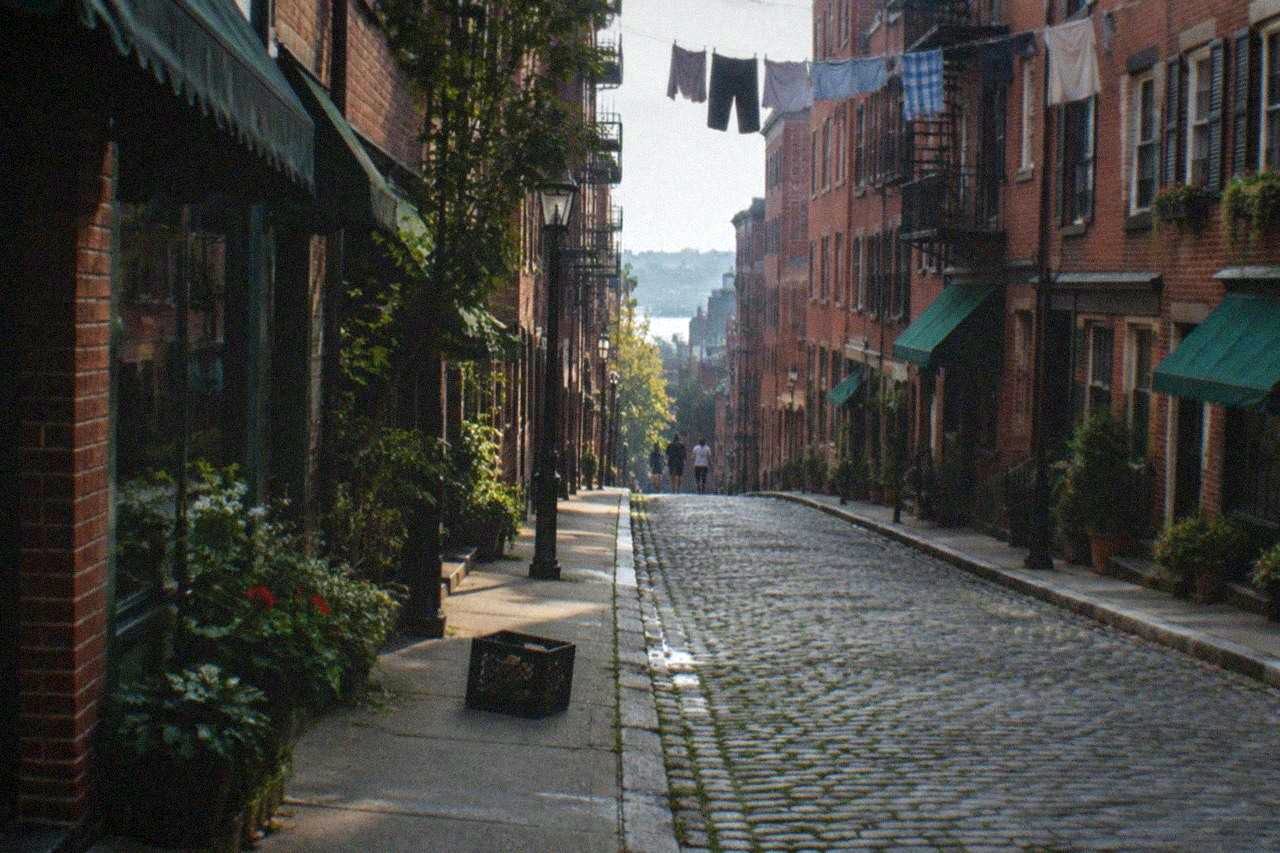
The starting point is simple: check the length of the tour you actually booked. Durations on this site's roster run from a 1 hour 45 minute Salem morning walk up to 3.5 hour brewery experiences, and the sweet spot in the middle, the classic North End neighborhood format, is about 2 hours of near-continuous walking punctuated by standing stops. That is a different physical ask than a bus tour. You are on pavement the whole time, and much of that pavement in downtown Boston and the North End is brick, slate, or cobblestone, which is unforgiving in thin-soled shoes.
The eating half of the equation matters just as much. A well-built tour is not a set of samples, it is a progressive meal, and operators design it that way on purpose. If you sit down to a big restaurant lunch at noon and then show up to a 2 PM tasting walk, you will be forcing yourself through stops that other guests are enjoying. Every experienced guide says some version of the same thing: come hungry, but not so hungry that you are lightheaded by the second stop.
What Should You Wear On A Boston Walking Food Tour?
Wear comfortable closed-toe walking shoes with real cushioning, dress in layers you can shed, and bring a compact umbrella or light rain shell rather than a heavy coat, because Boston weather shifts fast and food tours run in light rain. Skip heels, brand-new shoes, and open sandals; brick sidewalks and spilled drips make all three a regrettable choice by the second stop.
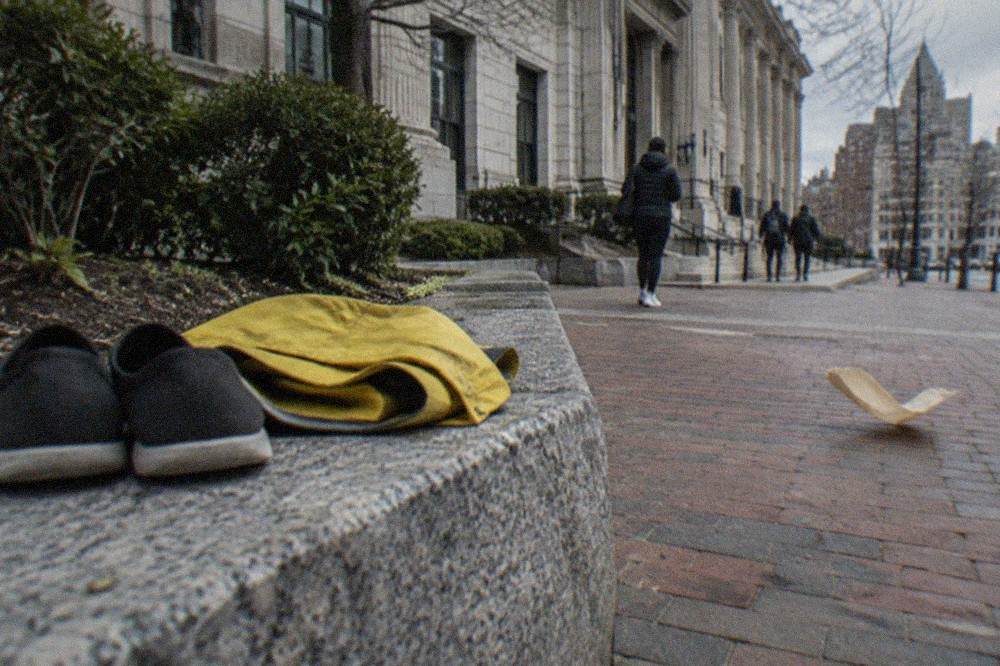
Shoes are the single most consequential clothing decision. You will walk at a guide's pace, stand still for five or ten minutes at each stop while the story gets told, then walk again. Repeated short standing intervals are harder on feet than one long stroll, and cushioned soles handle them far better than flat fashion sneakers or anything with a heel. Break shoes in before your trip; a tour day is not the moment to discover a stiff new pair.
Layers come second, and Boston rewards them in every season. Mornings can start cool even when afternoons warm up, waterfront wind off the harbor can drop the feel of a clear day, and an indoor bakery stop is a different climate from the street outside. A light jacket or zip layer you can tie around your waist is worth more than one heavy coat. A compact umbrella earns its space in a bag year-round, and a rain shell is smarter than an umbrella when the forecast is blustery, since North End sidewalks are narrow and umbrellas crowd.
What you wear above the waist is about the drip risk as much as the temperature. Saucy pizza, lobster rolls with butter, and filled-to-order cannoli have a documented tendency to land on shirts. Wear something you can wipe with a napkin without tragedy. Dark colors hide a lot, and a scarf goes in the bag rather than around the neck. A shirt with a front pocket is genuinely useful: it holds a couple of the napkin-wrapped pastry boxes' string ties, or your transit card, so you are not digging through a backpack at every stop.
A quick seasonal rundown keeps the planning honest:
| Season | Footwear and layers | Extras worth carrying |
|---|---|---|
| Spring | Cushioned walking shoes, light jacket, long-sleeve base layer | Compact umbrella, water bottle |
| Summer | Breathable walking shoes or cushioned sneakers, short sleeves, sun hat | Water bottle, sunscreen, sunglasses |
| Fall | Walking shoes with grip for wet leaves, sweater plus shell | Umbrella, warm cap for evening tours |
| Winter | Waterproof boots or insulated shoes, warm coat, gloves, hat | Hand warmers, thermal socks, skip tours after dark if very cold |
None of that requires special gear. It requires accepting that this is a walking day in one of the oldest neighborhoods of an old city, and dressing like you believe it. For a fuller sense of what the two hours actually look like stop by stop, the guide on what a North End food tour includes walks through the format in detail.
What Should You Eat Before The Tour Starts?
Eat a small, light snack one to two hours before a food tour: a piece of fruit, a bit of bread, a yogurt, or half a sandwich, a couple hundred calories at most and planning-range guidance rather than a rule. Do not eat a full restaurant meal beforehand, and skip anything greasy, heavy on cream, or very spicy, because it sits on top of the first two tastings and flattens your appetite for everything after.
The logic is pacing. Operators build tours so the stops together approximate a meal, and the strongest walk on this site's roster for demonstrating that is the Seafood & Chowder History Walk, 2 hours 45 minutes from $169 with a 4.8 rating from 237 reviews. A tour like that carries chowder and lobster through the heart of the route, which means the first serious food arrives early. If you ate a full lunch, the chowder is a chore. If you ate nothing since breakfast, the first stop is fine and then the richness compounds fast.
The snack window matters as much as the snack itself. One to two hours before is the comfortable zone: close enough to the tour that hunger does not return, far enough that you still have real room. Eating twenty minutes before the meeting point leaves food actively digesting right as the first tasting lands, and for many people that combination feels heavy rather than pleasant.
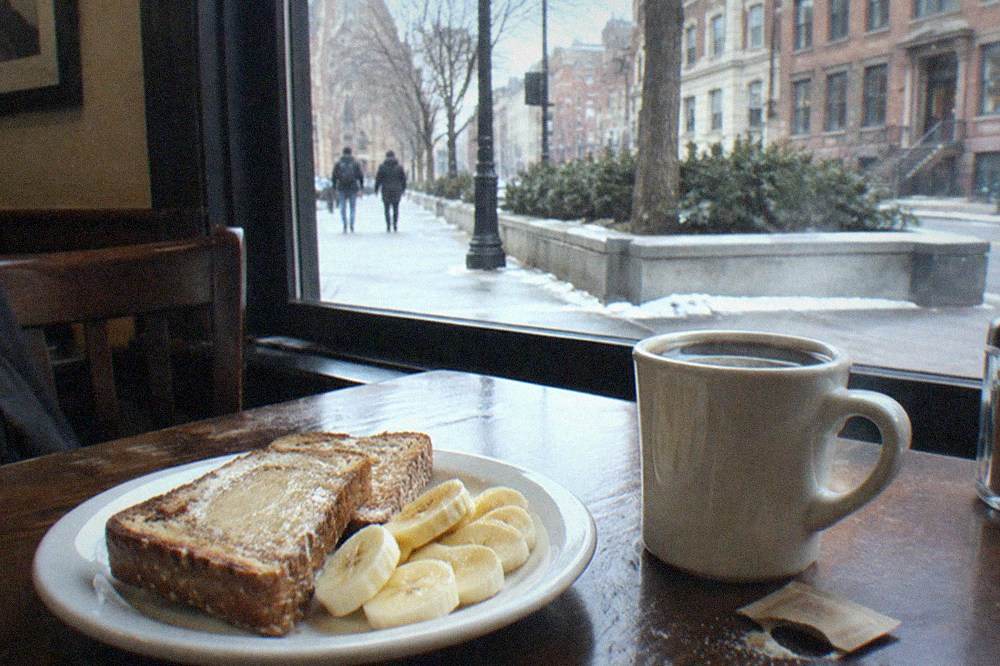
What to avoid is short and consistent. Fried food, heavy cream sauces, and large portions of anything are the three most common pre-tour mistakes, because they sit slowly and blunt appetite. Very spicy food before a multi-stop tasting route is a gamble with your comfort for the next two hours. And an espresso-only breakfast, no food at all, is the opposite error: caffeine on an empty stomach plus an early start plus excitement is a recipe for feeling shaky by stop two. If you are a coffee person, have the coffee, and put a piece of toast under it.
One planning note worth keeping in mind: if your tour starts near Haymarket or the North End in the morning, the Boston Public Market at 100 Hanover Street opens at 8 AM daily, running 8 AM to 6 PM Sunday through Tuesday and 8 AM to 8 PM Wednesday through Saturday, per its official hours page. Vendor stalls inside sell fruit, breads, and light breakfast items, which makes it a practical pre-tour stop when you want exactly one small thing rather than a diner plate. Budget your time so you are not rushing to the meeting point with a mouth full of pastry.
How Do You Pace Yourself Through Multiple Tasting Stops?
Pace by eating small portions at every stop rather than finishing everything at the first two, drinking water between stops, and saving real appetite for the later stops, where the signature item usually lands. Tours on this roster run from 1 to 3.5 hours, and the ones most likely to fill you up early are the 3-hour walks with six or more tasting stops, where finishing each plate guarantees a wall around stop four.
Pacing is a skill and it starts at stop one. The first stop is often the lightest item, bread or a small pastry, precisely to warm you up. The trap is treating the first two stops as a tasting and everything after as a bonus, finishing every portion because you are hungry at the start. The guests who feel best at the end are the ones who eat about two-thirds of what they want at each of the early stops and keep genuine room for the late-route items, which is where the guide usually saves the neighborhood's most famous bite.
| Tour (decision name) | Duration | Price from | How much to eat beforehand |
|---|---|---|---|
| Salem Morning Coffee & Bites | 1 hour 45 minutes | $34 | Light breakfast is fine; the route is built around coffee and smaller tastes |
| Small-Group Italian Heritage Walk | 2 hours | $70.40 | Small snack only; the tastings add up to a meal |
| Six-Tasting Little Italy Walk | 2-3 hours | $86 | Small snack; six stops fill you by the end |
| Wine & Limoncello, 3-Hour Walk | 3 hours | $100 | Small snack; alcohol on an empty stomach is a bad plan |
| Craft Brewery Tour, Snack Included | 3.5 hours | $105 | Eat a real meal beforehand; a snack is included and beer needs a base |
Notice the pattern in that table: the longer and more drink-focused the tour, the more the advice flips. A short morning coffee walk barely dents your appetite, while a 3.5 hour brewery experience with a snack included wants a real meal in you beforehand, both for comfort and for sense. Massachusetts law sets the drinking age at 21, as codified in the state's liquor statute, and any tour with beer, wine, limoncello, or a cocktail is an adults-only experience; eating properly beforehand is part of doing one responsibly.
Water is the quiet hero of pacing. Bring a bottle, sip between stops, and accept an offered glass at any bakery or cafe that offers one. Water keeps palate fatigue at bay across a route that might run from pizza to espresso to cannoli, and it steadies the alcohol absorption on the tours that include drinks. Sweet-tour guests feel this too: a donut route with cider lands differently when water is in the loop.
The flagship walk on this roster shows the pacing math at its clearest. The Small-Group Italian Heritage Walk is 2 hours from $70.40 with a 4.9 rating across 1,663 reviews, and it is listed as often booking up. Its route threads Hanover Street's classics, which means the pastry stops, the ones that fill people fastest, sit late in the route. Arrive with room and the last stop is the best one; arrive full and the famous cannoli becomes homework. If you are weighing whether that experience earns its ticket, the write-up on whether a Boston food tour is worth it goes deeper on the value question.
Should You Drink Coffee Or Alcohol Before A Tour?
Coffee in moderation before a morning tour is fine and even helpful; alcohol beforehand is a bad idea because the tour itself may add more drinks, and a pre-tour cocktail dulls both palate and judgment for the food you came to taste. If your booked tour includes wine, limoncello, or a cocktail, arrive with food in your stomach and drink water alongside the included pours.
Coffee deserves its own paragraph because it cuts both ways. A normal morning coffee before a late-morning tour is routine and harmless, and plenty of tours start at a cafe anyway, with espresso as the first or last stop. The caution is volume: a double or triple on an empty stomach plus excitement plus a walking route is a jittery combination, and jittery people enjoy food less. Have the coffee, eat the toast with it.
Alcohol is simpler. Two tours on this roster include drinks by design: the Wine & Limoncello, 3-Hour Walk (from $100, 5.0 from 518 reviews) and the Cocktails & Cannoli Dessert Walk (from $125, 5.0 from 310 reviews), both 21-and-over experiences implied by their inclusions. Drinking before either one stacks pours on pours, while eating nothing before either one stacks alcohol on an empty stomach. The move with both is the same: a real light meal or solid snack an hour or two ahead, and water throughout. The same reasoning applies in reverse on the brewery side; the Craft Brewery Tour, Snack Included (4.9 from 28 reviews, from $105, 3.5 hours) is built around a snack precisely because beer without food is a short day.
The dessert-family tours reward restraint of a different kind. The Downtown Donuts & Cider Tour runs 2 hours from $70 with a 5.0 rating across 1,392 reviews and leans kid-friendly, and the Harvard Square Donut Adventure covers 1.5-2 hours from $69.75 with a 5.0 from 56 reviews. Sugar routes fill people faster than savory ones, and the families who enjoy them most are the ones who came from a normal light breakfast rather than a pancake stack.
What Should You Carry On Tour Day?
Carry a small cross-body bag or daypack with a filled water bottle, a card plus a little cash for the cash-only North End bakeries, hand sanitizer, a compact umbrella or shell, and any personal medication, plus your booking confirmation on your phone. Leave the big backpack at the hotel if you can; narrow sidewalks, standing bakery lines, and a group moving together make a large bag a nuisance.
Cash is the item people forget. Several of the most famous North End counters are traditionally cash-preferred or cash-only, and while every booked tour covers its included tastings, the classic move after the tour ends is buying a box of pastries to take home. Mike's Pastry's blue-and-white string-tied boxes are a Boston souvenir in their own right. A modest amount of cash makes that exit purchase smooth; the tour itself you paid for in advance, and every button on this site reads Check availability rather than promising a price, so confirm the current figure on the operator's live listing before you book.
Sanitizer and a small pack of napkins earn their grams. You will be eating handheld food at standing stops, sometimes with a slice of pizza and sometimes with a lobster roll, and the bathroom line you skip matters on a tight route. A phone battery bank helps on the photo-heavy routes: the North End's Hanover Street and Copp's Hill Burying Ground views, the burying ground laid out in 1659 per the city's own record, plus every plate in between, is a heavy camera day for most guests.
Weather gear has already been covered, so the remaining bag question is size. A small bag you can swing in front of you at counter stops, or that stays close on your back, is the right call. The North End's sidewalks are among the narrowest in the city, per the neighborhood's documented history as one of Boston's oldest districts, and a rolling suitcase or an oversized tote turns every doorway into an obstacle. This site's own Boston Food Tours roster keeps every tour within walking distance of a T station, which is the final argument for packing light: you can bail to transit quickly at the end without dragging luggage.
What Should Families And Kids Eat Before A Tour?
Give kids a normal light breakfast before a family tour, not a treat, because the donut and cider routes are built as full sweet meals and children fill on sugar fast. Pack a water bottle per child and a familiar snack for after the tour ends, and time the booking so the tour replaces lunch rather than stacking on top of it.
The family tours on this roster are the Downtown Donuts & Cider Tour and the Harvard Square Donut Adventure, both built around sweetness. A child who has already eaten a full sweet breakfast meets the first donut of the day at a disadvantage, and a hungry child who ate nothing meets the sugar spike head-on. The practical middle is a normal breakfast: protein or toast, something familiar, about an hour and a half before the meeting point. That holds mood steady through the first stop and leaves room for the fun.
Timing matters more for kids than for adults. Book the late-morning slot when it exists so the tour lands as lunch, and have a real lunch ready afterward for the crash that follows a pastry-heavy morning. Bring one familiar post-tour snack in the bag even when the tour was generous; a child who tanks in the early afternoon on a walking route home is a problem you can predict and prevent.
Final Prep Checklist For Tour Morning
On tour morning, verify your meeting point and start time in your confirmation, check the weather once and pack layers accordingly, eat one small snack one to two hours out, fill your water bottle, and lace up broken-in walking shoes. Arrive ten minutes early to find the group, confirm the current price on the live listing if you have not booked yet, and bring cash for the pastry-box exit run after the final stop.
Ten minutes early is the number that removes almost all the stress of a tour start. Meeting points in the North End are usually a specific street corner rather than a storefront, and groups cluster and move quickly. Arriving early gives you a bathroom stop, a sip of water, and a chance to ask the guide the one question you saved up, which is usually whether the route ends near where it started, a detail that matters when you have a car in a garage or a train to catch.
If you are still comparing formats rather than confirming a booking, the trio below spans the three most common pre-tour situations: the classic 2-hour heritage walk that wants an empty stomach, the longer seafood route that wants a snack and an appetite, and the short family donut adventure that wants a normal breakfast. Match the prep to the tour and the food does the rest.
Common Questions About Preparing For A Food Tour In Boston
What to Wear and Eat Before a Boston Food Tour?
Wear cushioned, broken-in walking shoes and layers you can shed, and eat only a light snack one to two hours before the tour. The tastings across a typical 2-hour Boston food tour add up to a full meal, so a restaurant lunch beforehand works directly against the tour you paid for. Bring water, a little cash, and a compact umbrella.
Should you eat breakfast before a food tour?
Yes, but a small one. A piece of fruit, toast, or yogurt one to two hours before keeps hunger from crashing without filling the space the tastings need. A full diner breakfast or a skipped meal both hurt the experience, the first by leaving no room, the second by leaving you shaky by the second stop.
What shoes are best for a Boston food tour?
Closed-toe walking shoes with real cushioning. Tours run roughly 2 hours on brick, slate, and cobblestone, with repeated standing at each stop, which is harder on feet than one continuous walk. Skip heels, thin-soled fashion sneakers, and open sandals, and break shoes in before tour day rather than on it.
Can you drink coffee before a food tour?
In moderation, yes. A normal morning coffee before a late-morning tour is routine and some tours start at a cafe. Avoid doubling up on an empty stomach, since caffeine plus excitement plus a walking route can leave you jittery at exactly the stops you came to enjoy.
Should you eat before a tour that includes alcohol?
Definitely. Tours with wine, limoncello, or a cocktail, and brewery experiences, all assume you have a base of food in your stomach. Eat a real light meal or solid snack an hour or two ahead, drink water along the route, and remember every drinks-inclusive tour on this roster is 21 and over under Massachusetts law.
Do you need cash on a Boston food tour?
The tour's tastings are covered by your booking, so cash is optional during the route, but a modest amount of cash is worth carrying. Several famous North End bakery counters are traditionally cash-only, and buying a pastry box to take home after the tour is the most common spend of the day.