Boston Seafood Tour Guide: Chowder, Lobster Rolls And The Working Waterfront
Boston sells itself on chowder, lobster rolls and a working fishing pier that has landed catch since 1910. A seafood tour ties all three together in one walk, and this guide breaks down what the format actually includes, what it costs, and how to pick between the options.
Short answer
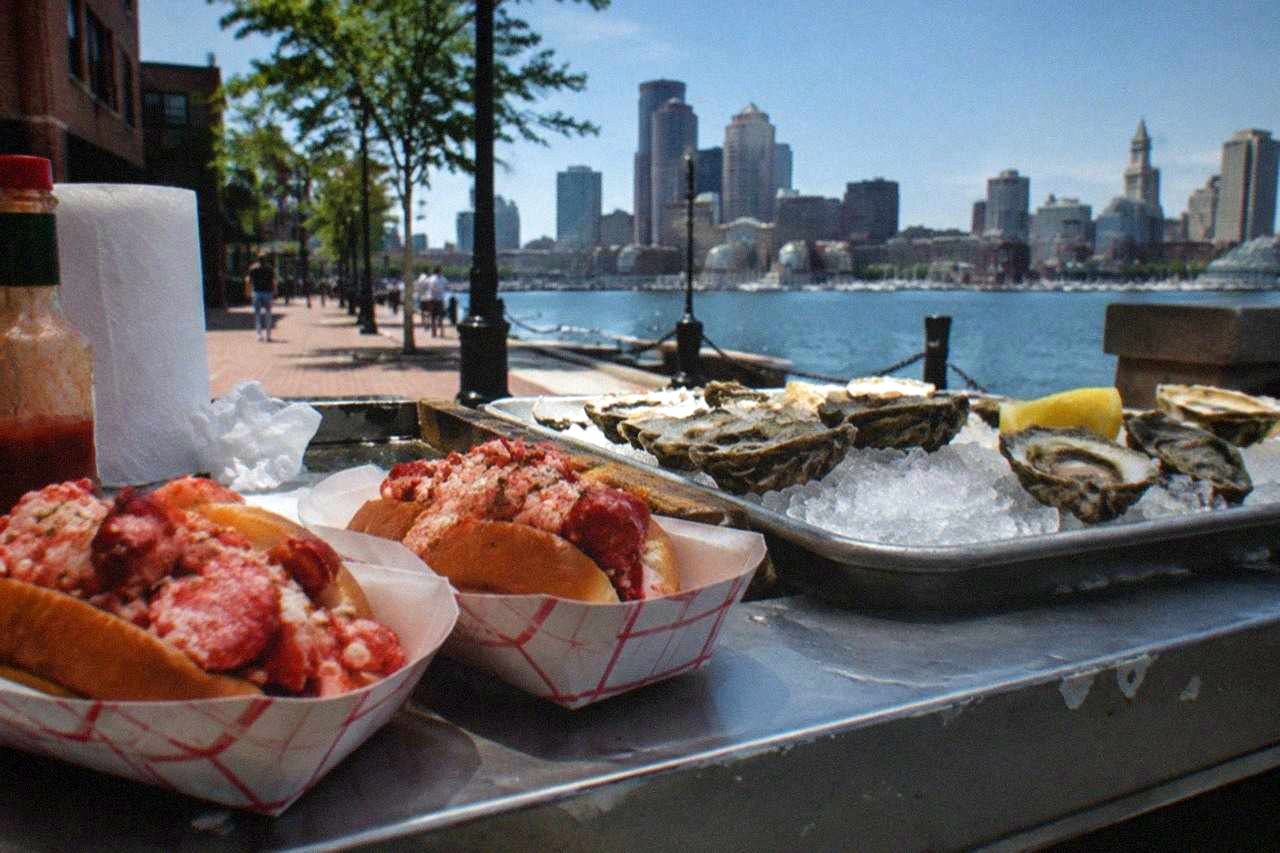
The main seafood walk in Boston is the Seafood & Chowder History Walk: 4.8 from 237 reviews, from $169 per person, about 2 hours 45 minutes. It pairs waterfront history with tastings that typically add up to a meal. Comparable guided food walks in the city run $70-$135.45, so seafood sits at the top of the range because lobster is the most expensive thing served.
What Does A Boston Seafood Tour Actually Cover?
A Boston seafood tour is a guided walking route, usually two to three hours, that stops at several seafood counters and historic waterfront sites while a guide explains how Boston became a fishing port and a chowder town. Tastings are built into the price and typically add up to a full meal, and the focus stays on classic New England items: chowder, lobster rolls, oysters and sometimes fried clams or scallops. It is closer to a history walk with food attached than to a restaurant crawl.
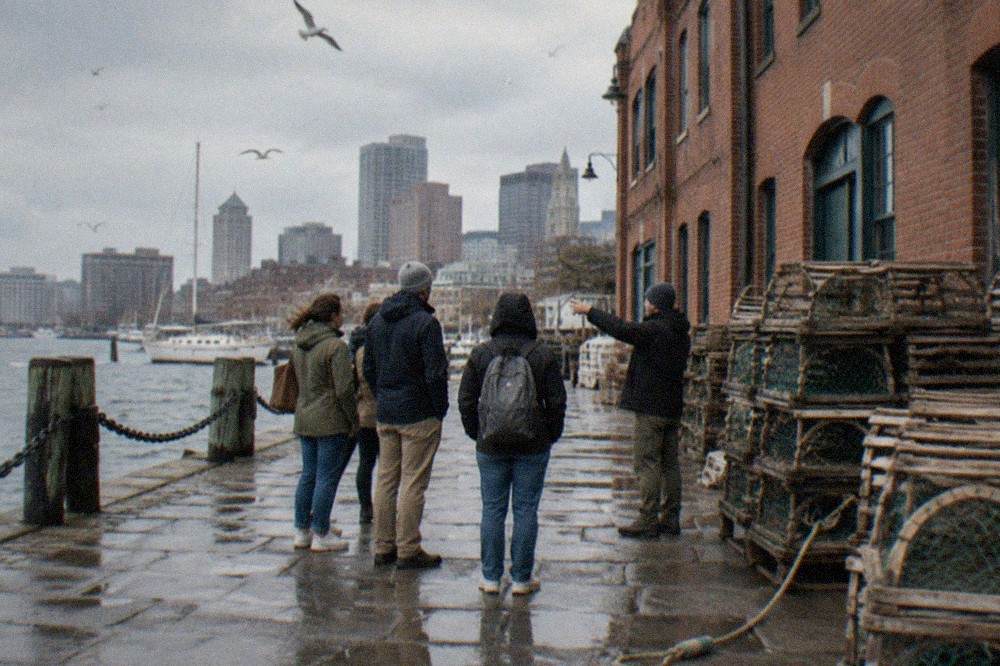
The format makes sense here more than in most cities because Boston's seafood story and its historic district sit on top of each other. Faneuil Hall was built and gifted to the town in 1742 as a marketplace and public meeting space, and Quincy Market followed a century later, opening in 1826 as an expansion of market space; the whole complex is a National Historic Landmark. A seafood walk uses that geography as its spine, moving between the old market buildings, the wharves and the modern Seaport district without ever needing a car.
What surprises many first-time visitors is how much of the industry is still active rather than reconstructed. Boston Fish Pier in the Seaport district was established in 1910 and is the oldest continuously operating commercial fish pier in the United States, with two long steel-and-concrete buildings housing 44 storefronts for seafood dealers. Walks that reference the pier, and several do, are pointing at a working wholesale hub, not a museum piece. The Harborwalk runs alongside it, which is why the route feels like public space rather than an industrial yard.
If you are weighing this against other food walks in the city, the Boston Food Tours roster splits roughly into Italian heritage walks, sweets tours and the seafood-family options, and the seafood side is the one where history and food overlap most directly. If you want the full deep dive on one dish rather than a spread, the Boston lobster roll guide covers that single sandwich neighborhood by neighborhood.
Which Boston Seafood Tour Fits Your Plans?
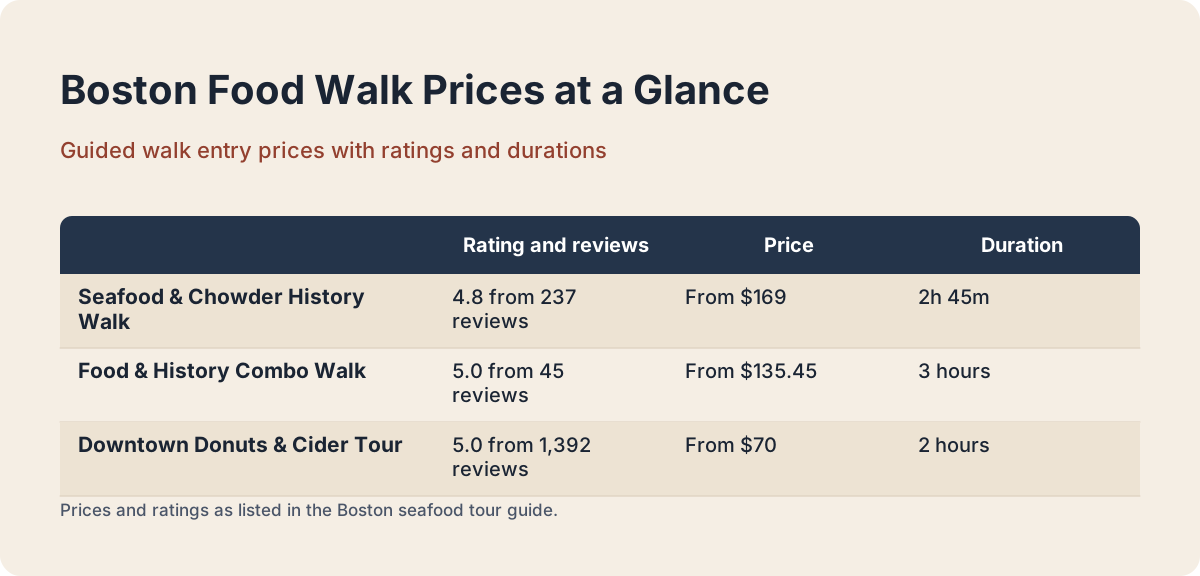
The flagship seafood option is the Seafood & Chowder History Walk at 4.8 from 237 reviews, from $169 per person, running about 2 hours 45 minutes. If you want history with broader food coverage, the Food & History Combo Walk covers Freedom Trail landmarks and classic Boston foods at 5.0 from 45 reviews from $135.45. For a cheaper, family-friendly contrast, the Downtown Donuts & Cider Tour runs 2 hours from $70, rated 5.0 from 1,392 reviews.
The honest way to choose is by what you actually want to eat. Seafood tours in Boston are the most expensive food walks per person because lobster is the most expensive ingredient any tour serves, and a chowder-plus-lobster-roll tasting set costs an operator more than a pizza-and-cannoli set. The roster reflects that: the seafood walk starts at $169 while the North End Italian walks start around $70.
| Tour | Decision name | Rating and reviews | Price | Duration |
|---|---|---|---|---|
| Seafood & Chowder History Walk | "Seafood & Chowder History Walk" | 4.8 from 237 reviews | From $169 | 2h 45m |
| Food & History Combo Walk | "Food & History Combo Walk" | 5.0 from 45 reviews | From $135.45 | 3 hours |
| Downtown Donuts & Cider Tour | "Downtown Donuts & Cider Tour" | 5.0 from 1,392 reviews | From $70 | 2 hours |
A few practical notes on that spread. The seafood walk is flagged as often booking up, which matters if you are travelling in peak summer or around a festival weekend. The combo walk shares much of the same downtown geography but swaps some seafood emphasis for Revolutionary-era landmarks, which works well if your travel partner cares about history more than food. The donut tour is the value play and the one most parents choose for kids, since the tastings are things children actually want.
If your main worry is total cost of the trip, the cost breakdown of Boston food tours walks through the full price ladder across every format in the city, including where seafood sits at the top and why.
What Do You Taste On The Seafood & Chowder History Walk?
The Seafood & Chowder History Walk serves a tasting lineup built around chowder and lobster, structured as multiple stops rather than one seated meal, across roughly 2 hours 45 minutes of walking. The operator keeps the exact stop list flexible, but the format is anchored in the classics: a chowder tasting, a lobster roll or lobster-adjacent tasting, and supporting items like oysters or fried seafood. Expect a meal's worth of food, not samples.
The chowder stop is the conceptual anchor. Boston cream pie and baked beans get the tourist attention, but chowder is the dish that connects the city's fishing economy to its table, and a good guide will explain how a working pier turned cheap catch into a cream-based staple. The lobster portion is where the tour earns its price, since lobster rolls at Boston counters have approached or hit $50 as live lobster prices climbed, driven by fuel costs and a regional catch that has declined for several years running. Buying the tasting as part of a tour is one way to lock the experience in before menu prices move again.
The Seafood & Chowder History Walk also leans on geography that most visitors never find on their own. Routes in this family typically take in the waterfront stretch between the old market district and the Seaport, and the guide commentary covers how the pier's 44 dealer storefronts still move real catch into city restaurants every morning. That is the difference between this and a self-planned lunch crawl: you eat similar food, but you learn which parts of the industry are still alive.
The tour runs often and is flagged as likely to book up in high season, so if it is the centerpiece of your trip, book it before you book restaurants. If your whole group is more interested in the full range of Boston classics than in seafood specifically, the what food is Boston known for guide maps every signature dish and where to eat it.
How Much Does A Boston Seafood Tour Cost, And What Are You Paying For?
The Seafood & Chowder History Walk starts at $169 per person, the highest entry price among the guided food walks on this site. The price covers all tastings, which on a seafood tour means a chowder tasting and a lobster item at minimum, plus about 2 hours 45 minutes of guided walking. The Food & History Combo Walk starts at $135.45, and most Italian or sweets walks start at $70 or above, so the seafood premium is driven by ingredient cost.
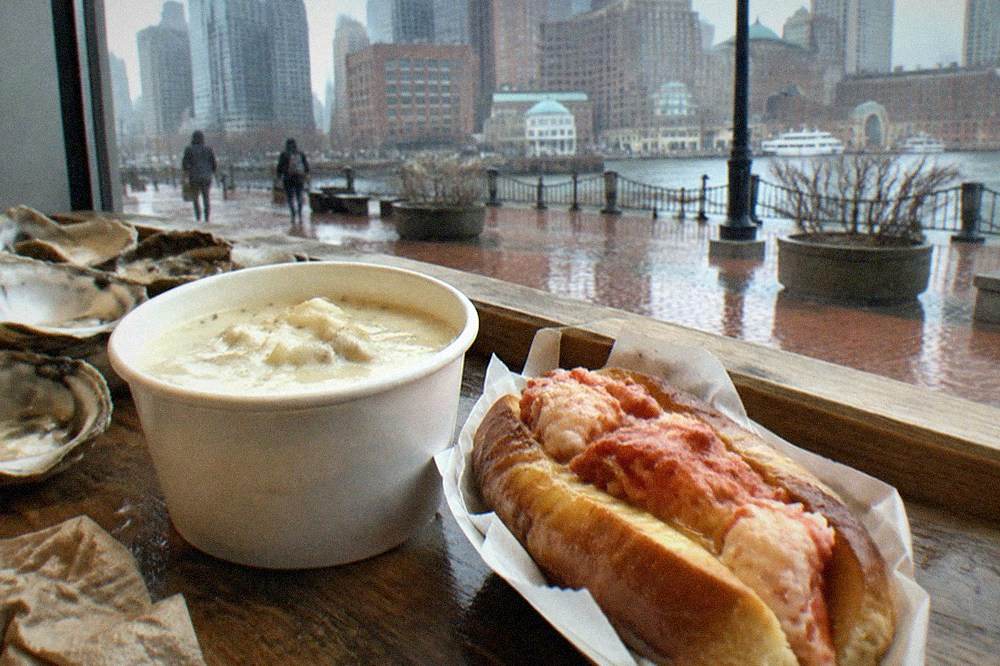
The economics behind that premium are worth understanding, because they explain why seafood tours everywhere in New England cluster at the top of the price ladder. Live lobster prices rose about $2 per pound year over year in recent reporting, reaching roughly $17 per pound in some markets, and restaurant lobster rolls approached $50 in the Boston area. A tour operator serving lobster to a group of twelve absorbs that wholesale movement directly, while a pizza tour's ingredients barely move. The tour price is, in effect, a hedge against the lobster counter.
| Cost item | Typical range for a visitor | Notes |
|---|---|---|
| Guided seafood walk | From $169 | Tastings included, about 2h 45m |
| Guided history and food combo walk | From $135.45 | Broader menu, 3 hours |
| Guided sweets or Italian walk | From $70 upward | Cheapest guided formats |
| Chowder at a counter | Varies by stop | Tour tastings cover this |
| Lobster roll bought solo | Approaching $50 at area counters | The priciest single item |
| Self-guided chowder crawl | Pay per stop, no guide | No history commentary |
What you are not paying for is a restaurant meal with table service. The format is a standing-and-walking tasting route, so the money goes to food, guide time and the operator's logistics. Free cancellation is typically offered up to 24 hours before the start, which makes the booking decision low risk if your travel dates are not locked yet.
Where Does The Walk Go: The Waterfront, The Pier And The Old Market District
Most Boston seafood walks trace the stretch between the historic market district and the Seaport, passing the 1910 Boston Fish Pier, the longest continuously operating commercial fish pier in the United States, and the Harborwalk that runs beside it. The pier's two long buildings hold 44 storefronts for seafood dealers, and the surrounding streets contain the counters and shacks that grew up to serve the catch. The walk is flat, paved and short enough that fitness is never a factor.
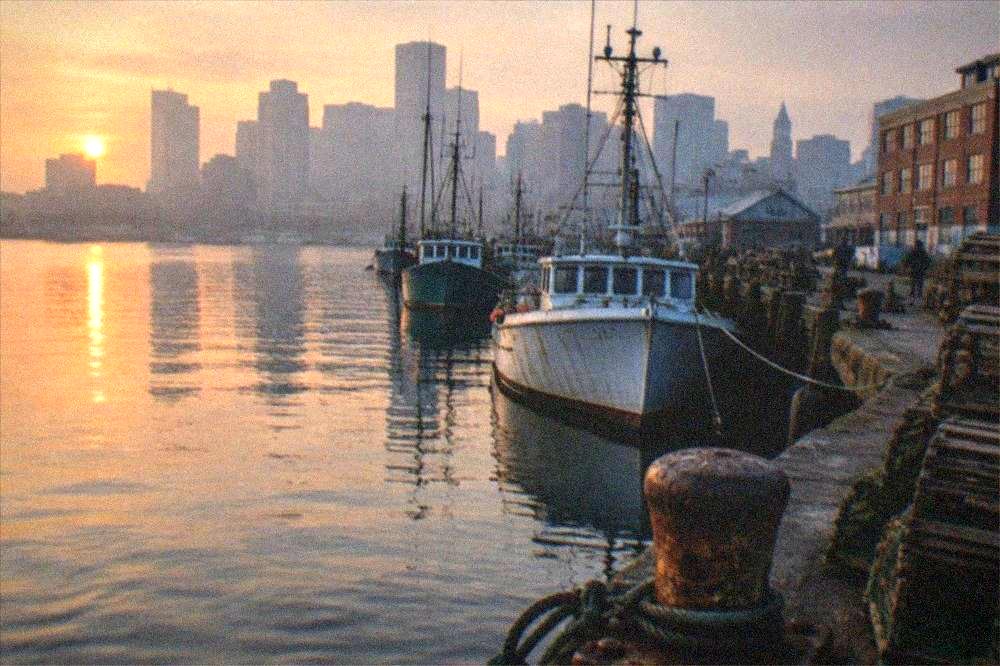
The pier itself deserves the attention the guides give it. Established in 1910 and added to the National Register of Historic Places in 2017, it supports dozens of boats and roughly 19 to 20 seafood businesses in recent counts, all amid the redevelopment pressure of the Seaport district. A seasonal Saturday Fish and Farm Market runs there from early June through late October, and a public installation with murals and a small museum on the pier's history opened around 2023, so even the non-food parts of the route have something to look at. The Boston Fish Pier record documents the pier's founding date, size and landmark status.
The landmarks a seafood route ties together span three centuries of the city's market history, and the table below shows how they line up along the walk.
| Waterfront landmark | Date or detail | Why the walk stops there |
|---|---|---|
| Faneuil Hall | Built and gifted 1742, expanded 1805-1806 | Marketplace origins, National Historic Landmark |
| Quincy Market | Opened 1826, National Register November 13, 1966 | Expansion of market space, food stalls |
| Boston Fish Pier | Established 1910, National Register 2017 | Working commercial fish pier, 44 storefronts |
| Harborwalk | Runs alongside the pier | Public access and views |
| Saturday Fish & Farm Market | Early June through late October | Seasonal produce and seafood |
Up the waterfront, the old market complex anchors the history half of the walk. Faneuil Hall was gifted to the town in 1742 as a marketplace and public meeting space and remains a National Historic Landmark within Boston National Historical Park, while Quincy Market, opened in 1826, was added to the National Register in November 1966. The National Park Service's page on Faneuil Hall covers the building's marketplace origins in full. Guides use these buildings to make a simple point: Boston has been selling food from these exact blocks for nearly three centuries.
The route stays compact, which is the quiet advantage of doing seafood as a tour rather than as a self-planned crawl. The best chowder, the best lobster roll and the most interesting pier history sit within a walkable band along the water, but they are scattered among tourist traps and chains, and a guide's stop list filters that noise for you.
Is A Boston Seafood Tour Worth It Compared To Eating On Your Own?
A Boston seafood tour is worth it if you want guided history, guaranteed lobster at a fixed price, or the ease of solo or pair travel without booking waterfront restaurants yourself. It is less worth it for budget-conscious groups of four or more, since per-person costs add up faster than ordering the same food a la carte, though the fixed tastings remove the risk of sold-out counters and long lines.
The math is genuinely close, and honesty requires saying so. Two people on the seafood walk are paying the tour price twice, and the same two people could instead buy top-shelf lobster rolls at approaching $50 each, chowders, oyster servings and comparable food, likely spending less while controlling the seating and timing. What they would not get is the pier narrative, the immigrant-cooking story behind the chowder, or a curated route past the disappointing counters. That context is the product as much as the food is.
Where the tour clearly wins is scheduling risk. The seafood walk is flagged as often booking up, but the individual counters have their own crowds: famous lobster shacks run long lines on summer weekends, and the tour's stops are pre-arranged with the operators, so the group walks in. For a visitor with two days in the city, that reliability is worth a premium. For a local or a week-long visitor with slack in the itinerary, it is not.
One hybrid worth knowing: the Food & History Combo Walk, at 5.0 from 45 reviews and from $135.45, spends three hours mixing Freedom Trail landmarks with classic Boston foods, which includes some seafood items but does not center on them. It is a strong pick when your group is split between history people and food people. You can read more about it on the Freedom Trail food and history tour page.
What Should You Know Before You Book A Seafood Tour?
Book early, because the seafood walk often sells out; arrive hungry but not fasting, because tastings total a meal; wear walking shoes, because the route covers roughly two to three hours of waterfront walking; and check the drinking age if your tour includes any alcohol component, since Massachusetts sets it at 21. Cancellation is typically free up to 24 hours before the start, so early booking carries little risk. Those five points cover almost every problem travelers actually hit.
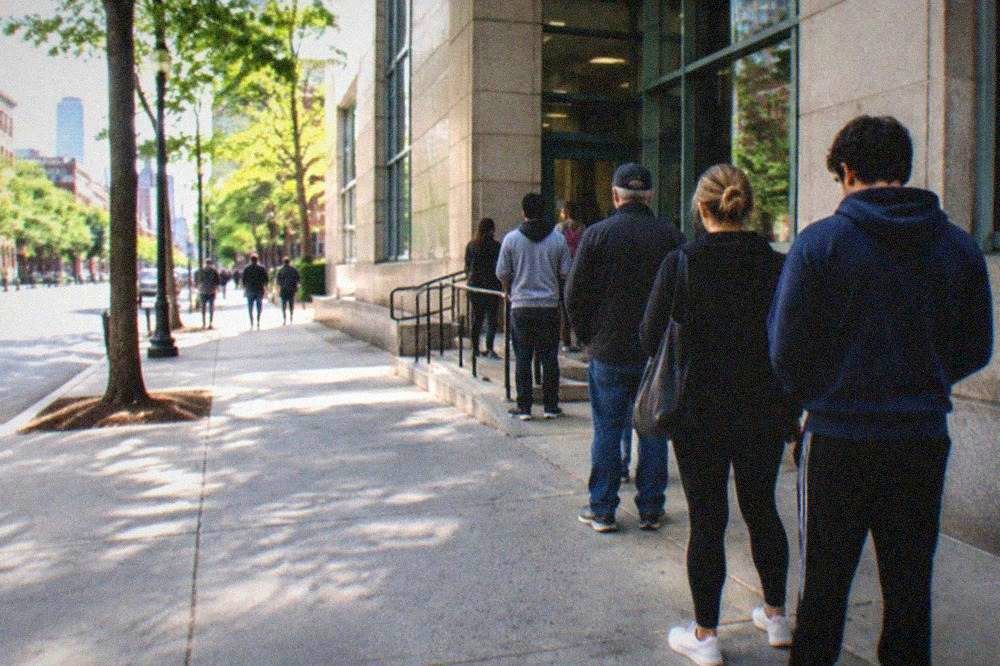
Timing matters more on seafood than on other food tours. Lobster and chowder are year-round foods, but the experience of the waterfront is best in the warm half of the year, when the pier's Saturday market runs from early June through late October and the Harborwalk is pleasant to walk. Winter tours still run and still feed you well, but the route's outdoor stretches are shorter and colder. If your dates are flexible, aim for the market season.
The drinking age point is straightforward but worth stating plainly for travellers from countries with lower ages: Massachusetts law prohibits selling or furnishing alcohol to anyone under 21, and any tour with a beer, wine or cocktail component, such as the brewery or cocktail walks in the city, enforces it with identification checks. The seafood walk itself is food-first, so mixed-age families can usually join, but always confirm the listing's age notes before booking.
Booking logistics are the last piece. The operator's live listing shows the current calendar, exact meeting point and any dietary accommodations, and dietary needs are worth flagging at booking rather than at the start of the walk, since lobster and shellfish substitutions require the stops to be re-planned. If you are assembling a full eating itinerary for the trip, the planning ranges for tasting fees and food budgets piece covers what to reserve beyond the tour itself.
For families weighing options: the seafood walk works for older kids who will eat chowder and lobster, but younger children usually do better on a sweets format, and the Downtown Donuts & Cider Tour, at 5.0 from 1,392 reviews and from $70, is the family pick on this site. Its details are on the downtown donuts and cider tour page, and a two-stop day, sweets in the morning, seafood at lunch, is a pattern that works well because both routes cover overlapping downtown ground.

Common Questions About Boston Seafood Tours
How much does a Boston seafood tour cost?
The Seafood & Chowder History Walk starts at $169 per person for about 2 hours 45 minutes with tastings included. That is the top of the city's food-tour price ladder: the Food & History Combo Walk starts at $135.45, and Italian or sweets walks start at $70 or above. The premium is driven almost entirely by lobster ingredient costs.
Is the seafood tour worth it compared to eating on my own?
It is worth it for the history commentary, the curated stop list and the guaranteed lobster at a fixed price, and it removes the risk of long lines at famous counters. For a budget-conscious group of four or more, eating a la carte can cost less, so the tour is best for solo travelers, pairs, and anyone who wants the waterfront narrative along with the meal.
What do you actually eat on a Boston seafood tour?
Expect a chowder tasting, a lobster roll or lobster-based item, and supporting stops such as oysters or fried seafood. The lineup totals a meal rather than samples, and the Seafood & Chowder History Walk keeps its exact stop list flexible so operators can adjust to what is freshest that day.
How long is a Boston seafood tour?
The main seafood walk runs about 2 hours 45 minutes of walking with tastings. The Food & History Combo Walk runs 3 hours, and lighter formats like sweets and donut tours run 1.5 to 2 hours, so a seafood tour is on the longer end of the city's food walks.
Do Boston seafood tours sell out?
Yes, and the seafood walk in particular is flagged as often booking up. It has the smallest effective capacity of the city's food walks because lobster tastings are the most expensive for operators to provision. Book ahead, and rely on the typically free cancellation up to 24 hours before the start if your plans shift.
Is the Boston Fish Pier a real working pier or a tourist site?
It is real. Established in 1910, it is the oldest continuously operating commercial fish pier in the United States, with 44 storefronts and roughly 19 to 20 active seafood businesses in recent counts. Guided walks reference it as a working wholesale hub, and the Harborwalk beside it is public, so you can also visit it on your own.