Is Boston A Foodie City
An honest verdict on Boston as a food city: Michelin recognition, neighborhood scenes from the North End to Chinatown, seafood history, visitor numbers, and where the city still falls short.
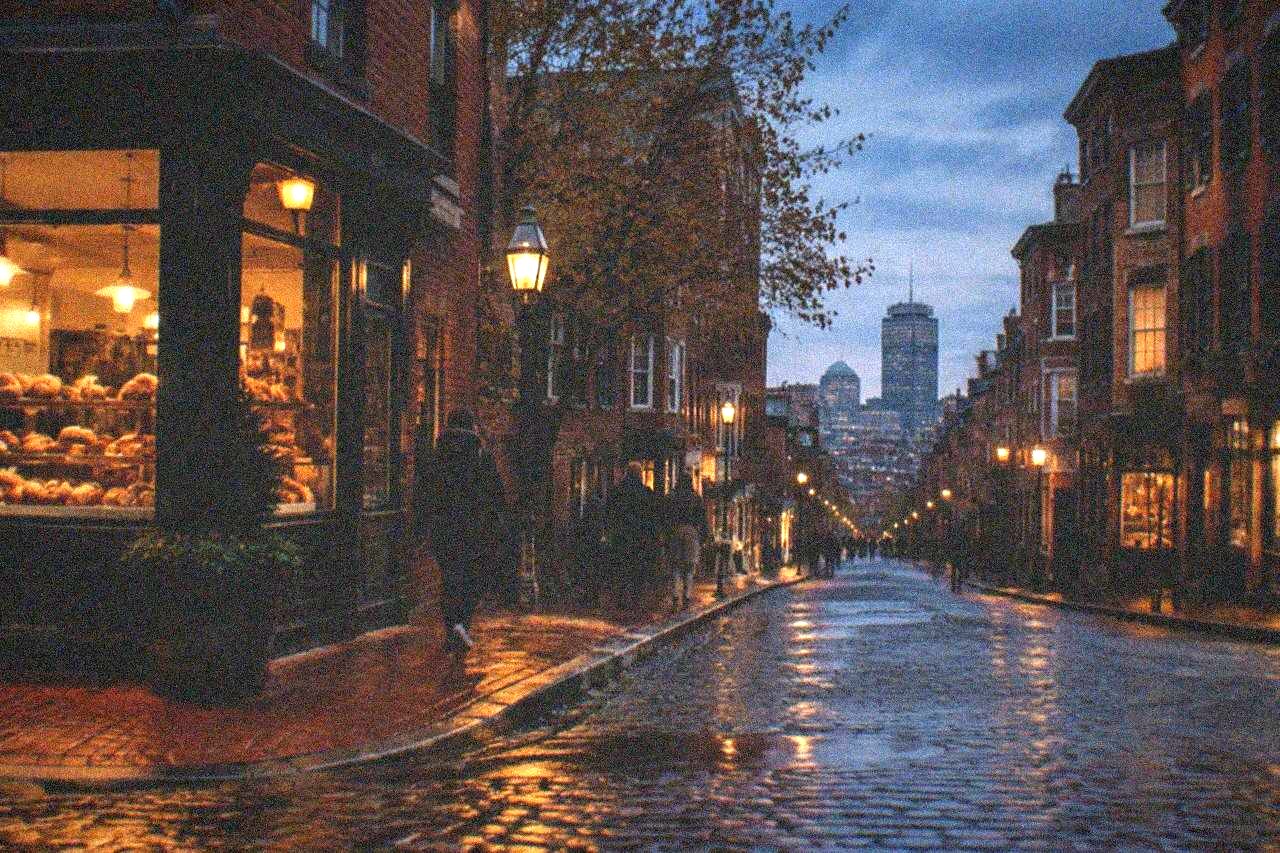
Is Boston A Foodie City
Yes, with a straight face: Boston is now genuinely a foodie city, and the evidence is recent rather than nostalgic. Condé Nast Traveller named it a must-visit food destination for 2026, the only US city on that list. The city earned its first Michelin star at 311 Omakase, alongside Bib Gourmand nods. Massachusetts drew 51.9 million visitors in 2025, and Greater Boston captured roughly $12.9 billion in direct visitor spending.
That is the headline verdict. The fuller answer is more interesting, because Boston's food reputation lagged its reality for a long time. For decades the city was known to outsiders for three things: clam chowder, baked beans, and a cannoli line on Hanover Street. Locals knew there was more, but the national food press mostly did not, and Boston sat outside the conversation that treated New York, Chicago, and Los Angeles as the country's serious eating cities.
That conversation changed. The Michelin designation put a formal star on the map for the first time. The Condé Nast Traveller nod cited the city's global flavors, waterfront dining, and distinct neighborhood scenes rather than any single dish. Add a wave of recent restaurant openings, French-Canadian, Italian, and Spanish concepts among them, and the picture is of a city whose dining identity is actively being built rather than coasting.
The honest counterweights deserve their own section, and they get one below: international visitation softened in 2025, Chinatown lost roughly 17 percent of its restaurants over the past decade, and Massachusetts craft brewing has been contracting, with closings outpacing openings. A fair verdict has to hold both halves at once.
For a first visit, the fastest way to test the verdict is to eat your way through the neighborhoods that carry it. These three tours cover the three strongest food corridors in the city:
What Actually Makes A City A Foodie City?
A foodie city, in practical terms, needs four things working at once: distinct neighborhood food identities rather than one generic downtown, a mix of old institutions and new openings, national or international critical recognition, and enough visitor volume to sustain a real restaurant economy. Boston clears all four bars in 2026, though the margin on some of them is thinner than the headlines suggest.
The neighborhood test is the one Boston passes most decisively. The North End has been a largely Italian community since the 1890s, per the city's own neighborhood history, and it still functions as a working Italian district rather than a theme-park version of one. Chinatown is a dense, living dim sum and regional Chinese scene, not a strip of Americanized takeout counters. Seaport connects dining to a real working waterfront: Boston Fish Pier, established in 1910, is the oldest continuously operating commercial fish pier in the United States. Cambridge's Harvard Square runs its own student-fed ecosystem of pizza institutions and new openings.
The institutions-plus-openings test matters because a city that only has old places is a museum, and a city that only has new ones has no identity. Boston has Regina Pizzeria operating since 1926, Cantina Italiana since 1931, and Bova's Bakery, which celebrated its 100th anniversary in 2026, sitting alongside 2025 openings like Daily Provisions in Harvard Square and Little Sage in the North End.
Critical recognition arrived with the Michelin star at 311 Omakase and additional Bib Gourmand designations, plus strong James Beard representation. And the visitor economy underneath it all is large: about 38.7 million domestic visitors and 2.2 million international visitors in 2025 estimates, with Logan Airport handling around 43 million total passengers. That is the demand base that keeps a food scene from being a boutique.
Does Boston Have The National Food Recognition To Back It Up?
It does now, and the recognition is specific. Condé Nast Traveller named Boston a must-visit food destination for 2026, and it was the only US city included. The city's first Michelin star went to 311 Omakase, with additional Bib Gourmand nods and a notable James Beard presence. For a city that spent decades outside the national food conversation, this is a genuine turn, not a fluke.
The Condé Nast Traveller selection cited global flavors, waterfront dining, and neighborhood dining scenes as the reasons, which maps neatly onto what the city is actually good at: distinct districts where the food is anchored in a real community. The Michelin star at 311 Omakase formalized what omakase diners in the city already knew, and the Bib Gourmand list spread the recognition across price points, which matters more for ordinary visitors than a single high-end star does.
Recognition is not the same as quality, of course. Award lists chase novelty, and a city can win a headline in a slow news year. The more durable signal is what the recognition does to the ground game: new restaurant openings in French-Canadian, Italian, and Spanish concepts, a culinary school and a new North End Historical Museum site arriving in the neighborhood, and a festival calendar dense enough that visitors can hit the Boston Local Food Festival, the Pizza Festival, What the Fluff?, or Taste of Iceland events depending on the month. That is a food culture producing things, not one being described.
The caveat is scale. One Michelin star is a beachhead, not a fleet. Cities with deep-established fine dining scenes have dozens. Boston's recognition is recent enough that the next few years will determine whether it compounds or plateaus.
Which Boston Neighborhoods Carry The Food Reputation?
Four neighborhoods do most of the work: the North End for Italian, Chinatown for dim sum and regional Chinese, the Seaport waterfront for seafood, and Harvard Square for a student-fed mix of institutions and newcomers. Each is walkable, each has a food identity rooted in decades of history, and a visitor can cover the core of one per half-day. Treating Boston as a single downtown food scene undersells all of them.
The North End is the anchor. It has been a largely Italian community since the 1890s, one of Boston's oldest neighborhoods, and its Hanover Street cluster still runs the famous cannoli rivalry between Mike's Pastry and Modern Pastry, with Bova's Bakery open 24 hours nearby. The same block is seeing new investment: a culinary school, a Neapolitan cafe, and a new historical museum site on Prince Street. If you want the full argument, the North End neighborhood guide covers the streets, and the question of where locals actually eat in the North End is worth an honest read too, because the tourist line and the local line are not the same line.
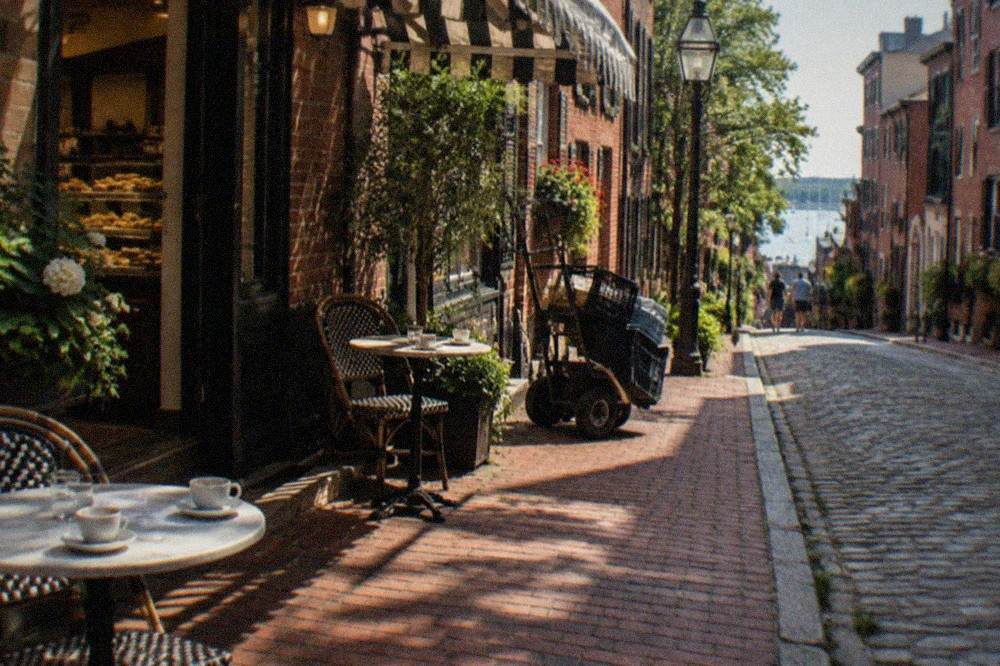
Chinatown is the second pillar. It is compact, dense, and anchored by weekend dim sum: cart service at Hei La Moon and Empire Garden, made-to-order at Winsor, and newer regional spots like the Shanghainese Fuchun Ju, known for soup dumplings served in a birdcage. The neighborhood faces real pressure, roughly 17 percent of its restaurants lost over the past decade to rising rents and gentrification, but what remains is some of the strongest Chinese cooking in New England.
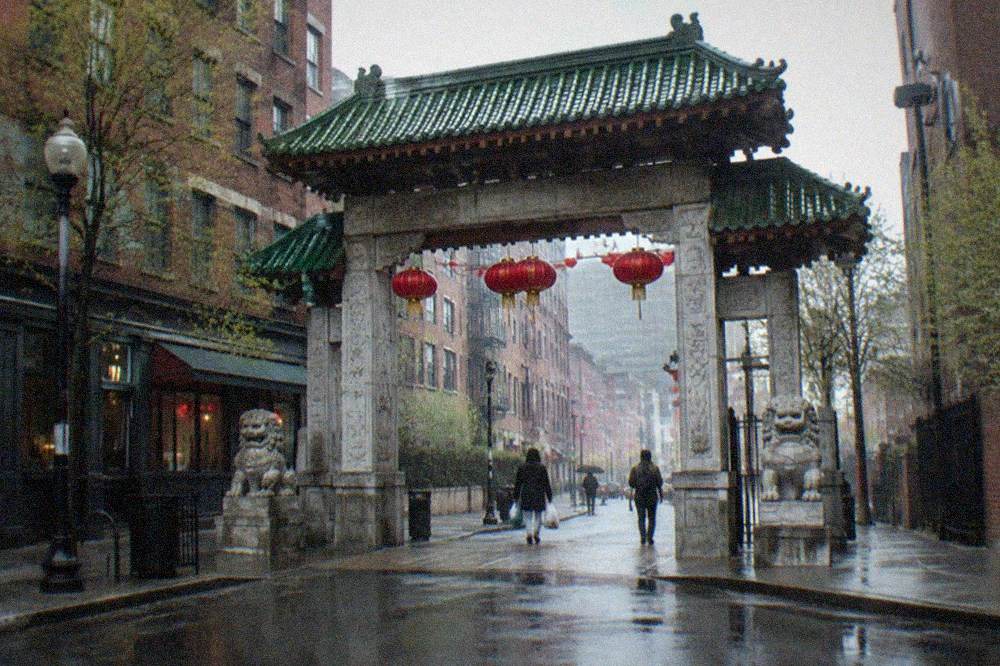
Seaport and the waterfront connect the food scene to actual industry. Boston Fish Pier has operated since 1910 and remains a working commercial hub, with a seasonal Saturday Fish and Farm Market running into late October and the Harborwalk running alongside. Harvard Square, a direct Red Line ride from downtown, rounds it out with Mr. Bartley's burgers since 1960, Pinocchio's slices since 1966, and a constant churn of students keeping prices honest.
Here is the quick comparison for planning purposes:
| Neighborhood | Food identity | Anchor institutions | Best time to visit |
|---|---|---|---|
| North End | Italian, cannoli, old-school red sauce | Regina Pizzeria (1926), Mike's Pastry, Modern Pastry | Weekday afternoons; feast weekends in August |
| Chinatown | Dim sum, Cantonese, regional Chinese | Hei La Moon, Peach Farm, Taiwan Cafe | Weekend mornings for dim sum carts |
| Seaport waterfront | Seafood, chowder, working pier history | Boston Fish Pier (1910), James Hook & Co. | Late morning; Saturday market season |
| Harvard Square | Student mix, burgers, pizza, new cafes | Mr. Bartley's (1960), Pinocchio's (1966) | Any evening; lunch on weekdays |
Is Boston's Seafood Scene Enough To Build A Reputation On?
Seafood alone would make Boston a food destination, and it is the city's most historically grounded claim. The Fish Pier, operating since 1910, is the oldest commercial fish pier in the country and still lands real catch. Chowder, lobster rolls, and oysters anchor menus across the city, and 2025 Massachusetts landings reached 17.6 million pounds valued at $118 million. The 2026 wrinkle is price: lobster costs have climbed sharply, and lobster rolls now approach $50 at some spots.
That price point is worth knowing before you build a trip around one. Live lobster prices rose roughly $2 per pound year over year into 2026, with reports of live lobster around $17 per pound in some markets and wholesale meat cited around $75 to $80 per pound in early 2026. Restaurant rolls followed: $45 to $48 at some venues, and higher-end options beyond that. Demand has not cracked, which tells you something about how central the dish is to the city's identity, but a visitor budgeting from 2019 prices will get a surprise. Other pages covering the same trip are gathered on Boston Food Tours.
The deeper story is the working waterfront. The pier's two long buildings house dozens of seafood dealers, and a 2023 installation called Boxes at the Boston Fish Pier added murals and a small museum on the pier's history, so the sightseeing and the eating sit in the same place. This is the difference between a food city and a city with restaurants: in Boston you can stand next to the industry your lunch came from.
For tasting it efficiently, the seafood and chowder history walk starts in the North End and pairs waterfront history with tastings, from $169 for 2 hours 45 minutes, rated 4.8 from 237 reviews.
Where Does Boston Fall Short As A Food City?
Honesty requires three caveats. International visitation declined in 2025, hitting the tourism economy that supports the dining scene. Chinatown lost about 17 percent of its restaurants over the past decade to rents and gentrification, with the Asian population share down more than 20 percent. And Massachusetts craft brewing is contracting, with 2025 seeing 3 openings against 6 closings and 2026 running net negative through the year to date. A fair verdict carries the weaknesses too.
The international visitor softness matters because food cities run on demand density. Canada was a notable source of decline, and the soft year filtered into tour and restaurant traffic. 2026 forecasts anticipated some recovery, and events like the FIFA World Cup were expected to deliver localized boosts downtown and in Seaport, but a city that wants to hold a food-city title needs the demand base to be steady, not event-driven.
The Chinatown numbers are the most sobering. A land-use report on Northeast Chinatowns found the restaurant losses and a population shift toward market-rate housing and younger, wealthier patrons. The neighborhood still delivers, and the strongest spots are as good as ever, but a food scene that loses its immigrant food infrastructure is losing the part that is hardest to rebuild. That is the single biggest long-term risk to the verdict.
Craft beer contraction is a smaller but real signal. The state counted roughly 205 active breweries in 2026 data, with net declines in 2025 and 2026 to date, and specific closures like Old Colony Brewing in Whitman after October 2026. There are bright spots, including new legislation letting Massachusetts brewers sell directly at farmers markets, and the guild anticipates up to 10 new breweries opening over the coming years. Samuel Adams' flagship Jamaica Plain brewery keeps daily hours from 11 AM to 9 PM with tours from $15, so the visitor-facing side of the beer scene remains healthy even as the industry thins out.
None of this flips the verdict. It shades it. Boston is a foodie city with visible pressure points, and a visitor who knows where they are eats better than one who does not.
How Can You Test The Verdict In One Visit?
Pick one neighborhood per half-day, eat at both an institution and a new opening, and let a guided walk pace at least one of them. The Small-Group Italian Heritage Walk covers the North End in 2 hours from $70.40, rated 4.9 from 1,663 reviews. The Dumplings & Dim Sum Walk handles Chinatown in 2.5 hours from $135.45, a perfect 5.0 from 22 reviews.
The North End walk is the natural first choice because it carries the most history per block. Two hours, small group, tastings that add up to a meal, and a guide explaining how the neighborhood has stayed Italian since the 1890s. It often books up, which is itself a data point about demand. Families and travelers with kids should note the Downtown Donuts & Cider Tour alternative angle, and there is a fuller comparison in the piece on whether a Boston food tour is worth it.
Chinatown pairs well as a second stop, either the same weekend or a return trip. Weekend dim sum is the cultural institution here, cart service and communal tables, and a guided version saves you the menu-decoding. For the sweet side of the city, the cannoli tasting guide walks the Mike's versus Modern rivalry, roughly $7 to $9 for a cannoli at the Hanover Street flagships, cash still rules at many counters, and Bova's remains open 24 hours for late arrivals.
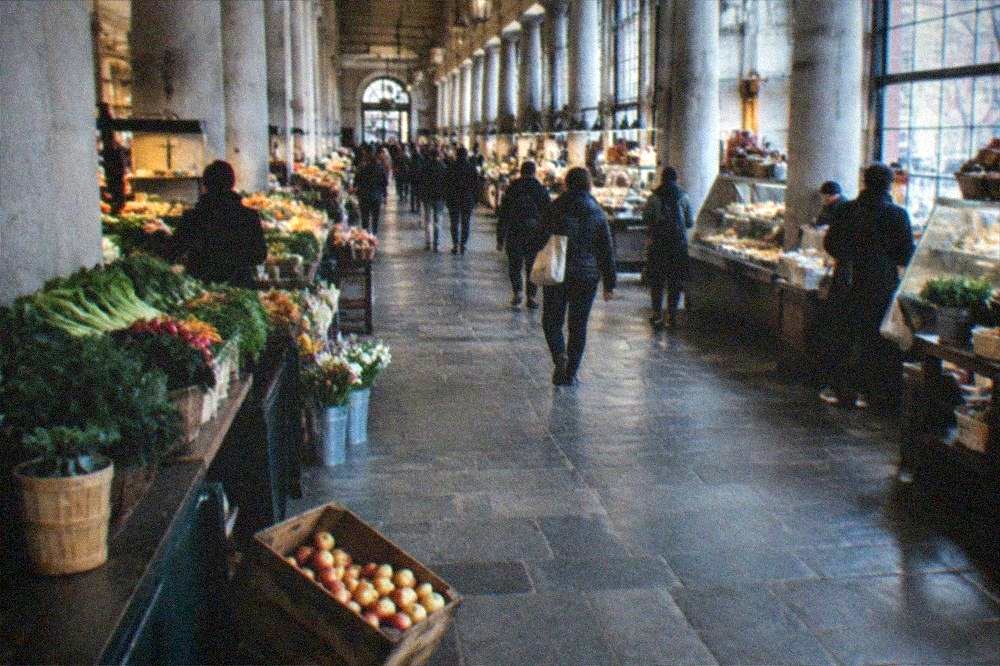
The do-it-yourself version works too, and Boston rewards it: the Boston Public Market on Hanover Street runs 8 AM to 6 PM Sunday through Tuesday and 8 AM to 8 PM Wednesday through Saturday, and Faneuil Hall, built and gifted to the town in 1742 as a marketplace and meeting space, still anchors a market district that the National Park Service counts as a National Historic Landmark. Quincy Market, constructed 1824 to 1826, was added to the National Register in 1966. Few food cities let you eat inside buildings with those credentials.
The Bottom Line For Visitors
Visit Boston expecting a food city of neighborhoods rather than one of destination restaurants, and it will exceed expectations. The North End, Chinatown, Seaport, and Harvard Square each hold a distinct, history-backed food identity. National recognition finally caught up in 2026. The weak spots are real but survivable for a visitor: lobster prices, weekend lines, and a beer scene in contraction. The core verdict stands.
One planning note pulls the whole thing together. The cluster of fresh facts in this piece, the Michelin star, the Condé Nast nod, the Logan Airport Mike's Pastry opening, the Harvard Square reopenings, all landed within roughly a year of each other. Cities get called food destinations after the evidence piles up, and Boston's pile is currently growing faster than at any point in its modern dining history. The window to see a food city mid-arrival, before it settles into being an established one, is genuinely interesting for a traveler.
Book the walks that matter most early. The strongest tours on this roster flag as likely to sell out or often books up, and the North End listings in particular move fast on weekends. Beyond the three picks already shown, these are the same three corridors, presented once more for the decision moment:
Common Questions About Boston As A Foodie City
Is Boston a Foodie City?
Yes. Condé Nast Traveller named Boston a must-visit food destination for 2026, the only US city on its list, and the city earned its first Michelin star at 311 Omakase. Distinct neighborhood food scenes in the North End, Chinatown, Seaport, and Harvard Square back the headline up.
What food is Boston best known for?
Clam chowder, lobster rolls, cannoli, dim sum, and old-school Italian. The North End anchors the Italian side, Chinatown the dim sum side, and the 1910 Boston Fish Pier anchors the seafood side, as the oldest continuously operating commercial fish pier in the United States.
How much do food tours in Boston cost?
On this site's roster, prices run from $34 for the shortest Salem coffee walk to $169 for the seafood and chowder history walk. Most 2 to 3 hour neighborhood tours sit between $70 and $135.45 per person, with tastings that generally add up to a meal.
Is Boston good for foodies on a budget?
Reasonably. Slice shops like Pinocchio's, Mr. Bartley's burgers, and Bova's Bakery, open 24 hours, keep the floor low, and cannoli run roughly $7 to $9 at the Hanover Street flagships. Many North End bakeries are cash-only, so bring bills.
When is the best time to visit Boston for food?
Late summer for the North End feast season, when St. Anthony's Feast alone draws more than 250,000 people, and October for the Harpoon Octoberfest events marking the brewery's 40th anniversary. Weekday mornings beat weekend lines at the famous bakeries year round.