Boston Food History: The Markets And Immigrant Waves That Shaped How The City Eats
Boston has been buying, selling and arguing about food in the same squares for nearly three centuries. Faneuil Hall opened as a marketplace in 1742, Quincy Market followed in 1826, and the immigrants who arrived in between turned a merchant town into a city of distinct food neighborhoods.
Short answer
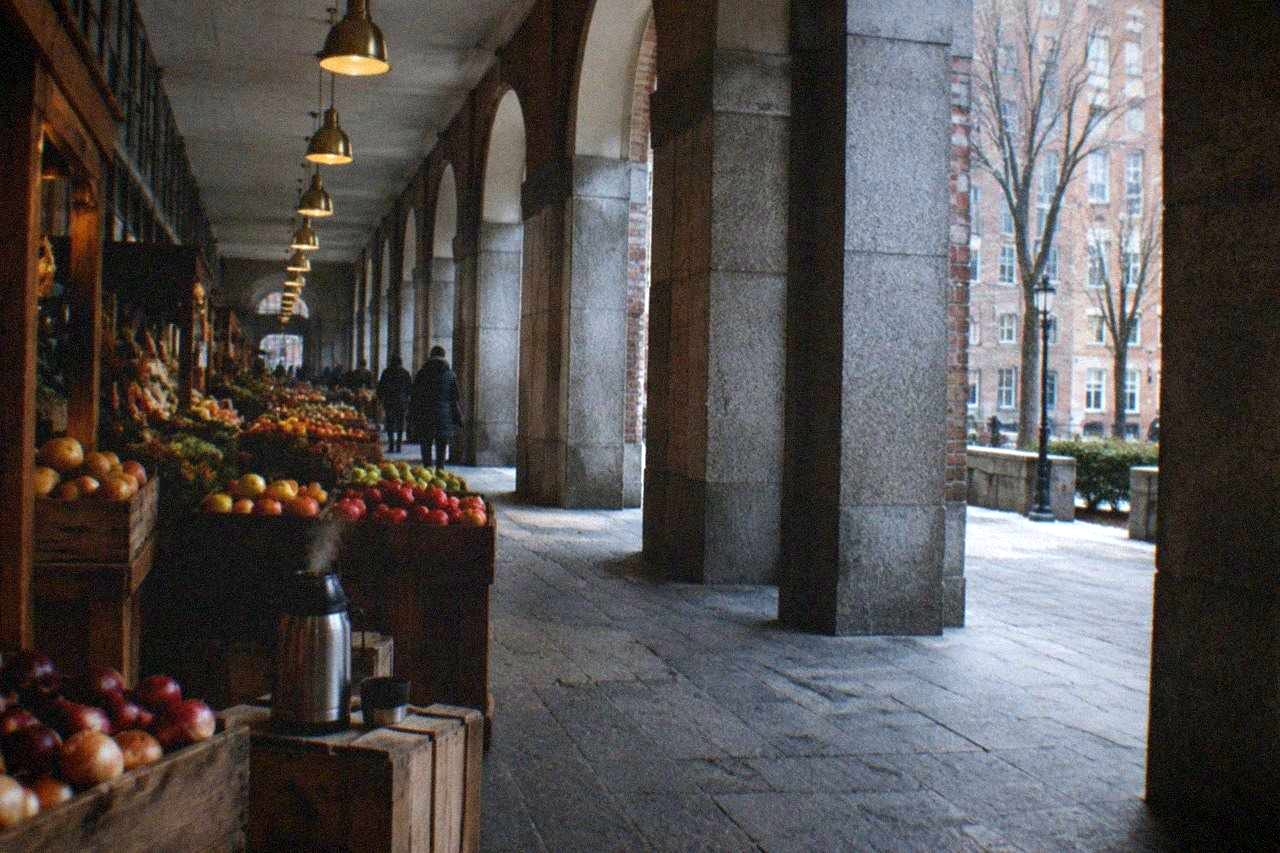
Boston's food culture was built by immigration, markets and geography. The colonial waterfront made it a trading port, Irish arrivals reshaped the North End in the early 1800s, and an Italian community has defined it since the 1890s. Faneuil Hall has sold food since 1742 and Quincy Market since 1826.
Faneuil Hall has been a marketplace since 1742, when merchant Peter Faneuil gifted the building to the town as a combined market and public meeting space. That single act captures the pattern of Boston food history better than any dish: in this city, food and civic life have always shared the same rooms. Market halls, burying grounds, church steps and immigrant streets each carry a chapter of the story, and most of those chapters are still walkable in an afternoon.
This guide is the foundation piece behind Boston Food Tours: the background history that explains why a Boston food tour feels different from one in any other American city. It covers the arrival waves that built the city's palate, the market halls that fed it, the North End's long Italian century, and how guided walks now connect all three.
How Did Immigration Shape Boston Food History?
Boston's food culture was shaped by successive waves of arrivals rather than any single tradition. The colonial waterfront made the city a trading port whose merchants and seamen ate from the harbor, Irish immigrants arrived in large numbers in the early 1800s, and a largely Italian community took root in the North End in the 1890s. Each wave left a food legacy still visible in a specific neighborhood today. That layering, one community settling beside the last and opening shops on the same narrow streets, is the engine behind almost everything Boston is known for eating.
The North End illustrates the pattern most clearly. According to the city's own neighborhood history, it was "wharfed-out" early, meaning its shoreline was extended with wharves to serve trade, and it became home to wealthy merchants and seamen. It is one of Boston's oldest neighborhoods, and its earliest food economy was tied entirely to the water and the wharves that drew it.
Then the arrivals began. Irish immigration in the early 1800s brought the first major community shift, and by the 1890s the Italian arrivals who would define the neighborhood started settling in numbers. The bakeries, pasta shops and feast traditions they established did not replace the earlier layers; they were built on top of them, in the same blocks, often in the same buildings.
| Arrival wave | Era | What it left on the plate |
|---|---|---|
| Colonial merchants and seamen | Pre-1742 colonial era | A wharf-based trading economy; the North End grew around the piers that fed it |
| Irish immigrants | Early 1800s | The first major immigrant community in the North End, opening the neighborhood to non-English food traditions |
| Italian community | Since the 1890s | The defining layer: pastry shops, pizzerias, salumerias and the summer feast traditions that still fill the streets |
The point of the table is continuity, not nostalgia. None of these waves ended. The wharves became tourist waterfront, the Irish community spread across the city, and the Italian community's restaurants and bakeries became the reason most visitors first walk down Hanover Street. When a food tour guide points at a building and names a date, it is usually one of these three layers they are pointing at.
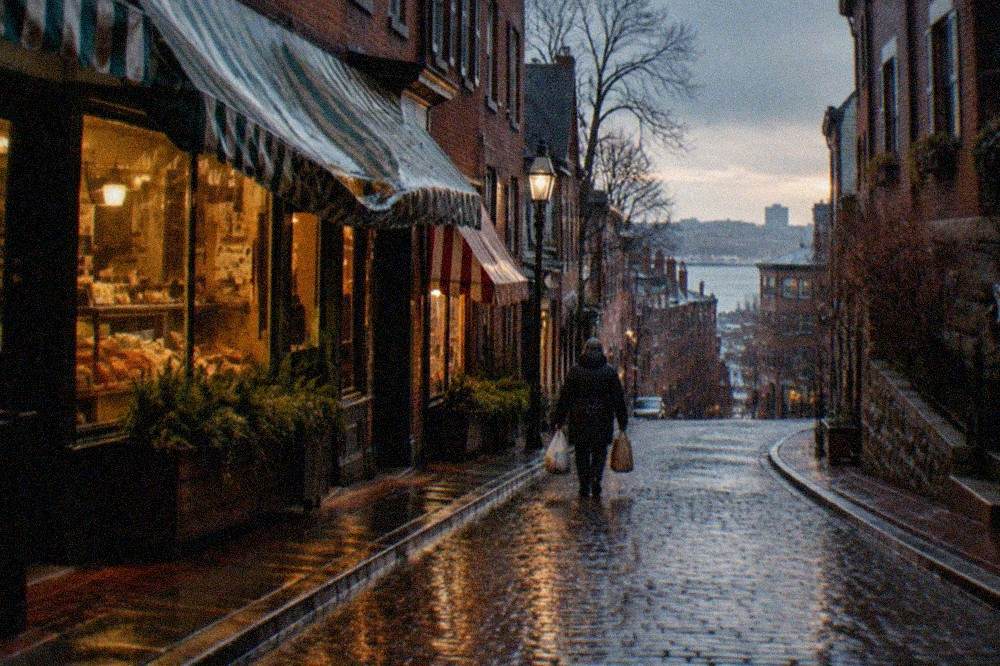
The geography did the organizing. The North End's early wharf extensions put the harbor within walking distance of everything, so later arrivals landed in streets already built for commerce, and food businesses took over ground floors that had served the trade economy. A visitor today can stand on one corner in the neighborhood and see a pastry shop, a pizzeria and a burying ground laid out in 1659, all without moving.
What Role Did Faneuil Hall And Quincy Market Play In Boston Food History?
Faneuil Hall and Quincy Market gave Boston permanent public market halls at the center of civic life. Faneuil Hall was built and gifted to the town in 1742 as a marketplace and meeting space, expanded in 1805-1806, and is now a National Historic Landmark within Boston National Historical Park. Quincy Market, constructed 1824-1826, opened in 1826 and joined the National Register in 1966.
The National Park Service's history of Faneuil Hall records that the building served two purposes from the day it opened: a market downstairs, a public meeting hall above. That combination matters for food history because it made commerce and politics neighbors. The speeches that fed the Revolution were delivered in a building whose ground floor sold provisions, and the city never really separated the two ideas afterward.
Quincy Market was the expansion. Constructed between 1824 and 1826 and opened in 1826, it added the scale the original market lacked, and it did the job for more than a century before being designated a National Historic Landmark and added to the National Register on November 13, 1966. The Greek Revival building you walk through today is the same structure that fed the city through the 1800s.
| Site | Built | Historic standing today |
|---|---|---|
| Faneuil Hall | 1742, expanded 1805-1806 | National Historic Landmark and part of Boston National Historical Park |
| Quincy Market | 1824-1826, opened 1826 | National Historic Landmark, added to the National Register November 13, 1966 |
Few American cities still feed visitors inside their original market halls, and that continuity shapes the modern experience. Quincy Market's colonnade runs on the same footprint that served the 1800s trade, and Faneuil Hall's market level still fronts the same square. The crowds are a feature with a long pedigree; a hall that opened in 1826 has been adapting to heavy foot traffic for two full centuries.
This is also why downtown Boston works so well as a combined food and history walk. The distance between a 1742 market hall and a 1966 landmark designation is a few hundred feet, and the route between them passes the Freedom Trail's most famous sites. If you want the full picture in one outing, this site keeps a planning guide on the market halls and what to eat there, and the wider comparison lives in our best food tour in Boston roundup.
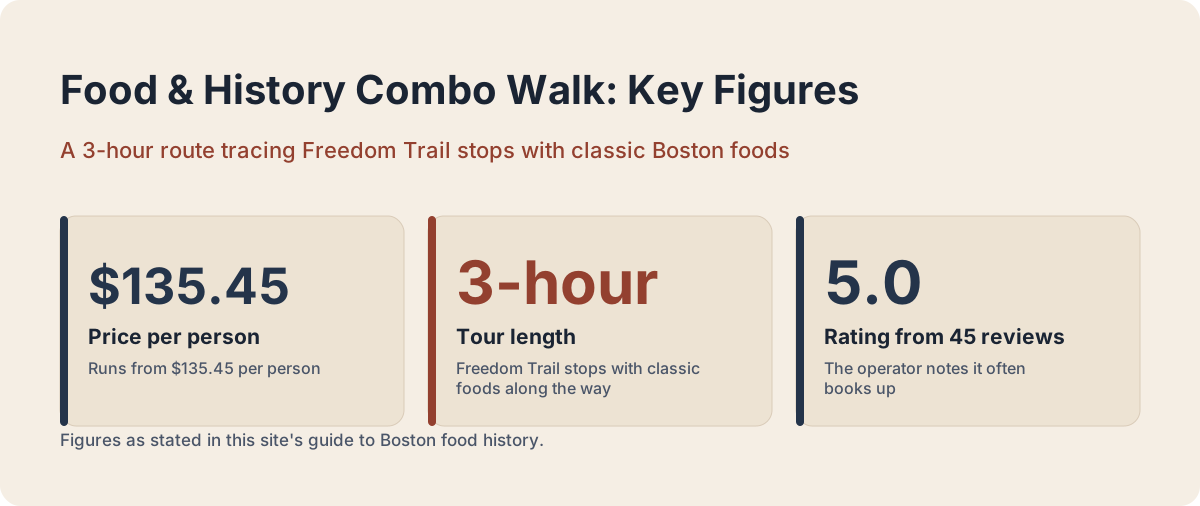
For visitors who want history and tastings in a single route, the standout is the Food & History Combo Walk, a 3-hour tour that traces the Freedom Trail's iconic stops while working in classic Boston foods along the way. It runs from $135.45 per person, holds a 5.0 rating from 45 reviews, and the operator notes it often books up. It is the closest thing on this site's roster to a walking textbook of the timeline above, with lunch built in.
Why Has The North End Been Italian Since The 1890s?
The North End has been a largely Italian community since the 1890s, and the food businesses that community built, the bakeries, the pasta makers, the grocers and the feast societies, still define its streets. Before the Italian arrivals the neighborhood hosted wealthy colonial merchants and seamen, then a large Irish community in the early 1800s. Its layered past is physically intact: Copp's Hill Burying Ground was laid out in 1659.
The neighborhood's age is easy to miss because the food gets all the attention. Copp's Hill Burying Ground, originally the North Burying Ground, was laid out in 1659 as the second burial ground on the Boston peninsula, and by the Revolutionary War more than 1,000 free Black residents and enslaved people had been buried there. That history sits two blocks from the cannoli lines, and most walks pass it without a pause.
The Italian arrivals changed the streets permanently. By the 1890s the community was established, and its food economy, bakeries, pasta makers, grocers and feast societies, grew with it. The summer feast traditions that still close North End streets each August are the direct descendants of those societies, and the pastry rivalry tourists line up for is a family-business story generations deep. For a deeper neighborhood walkthrough, see our North End Boston neighborhood guide.
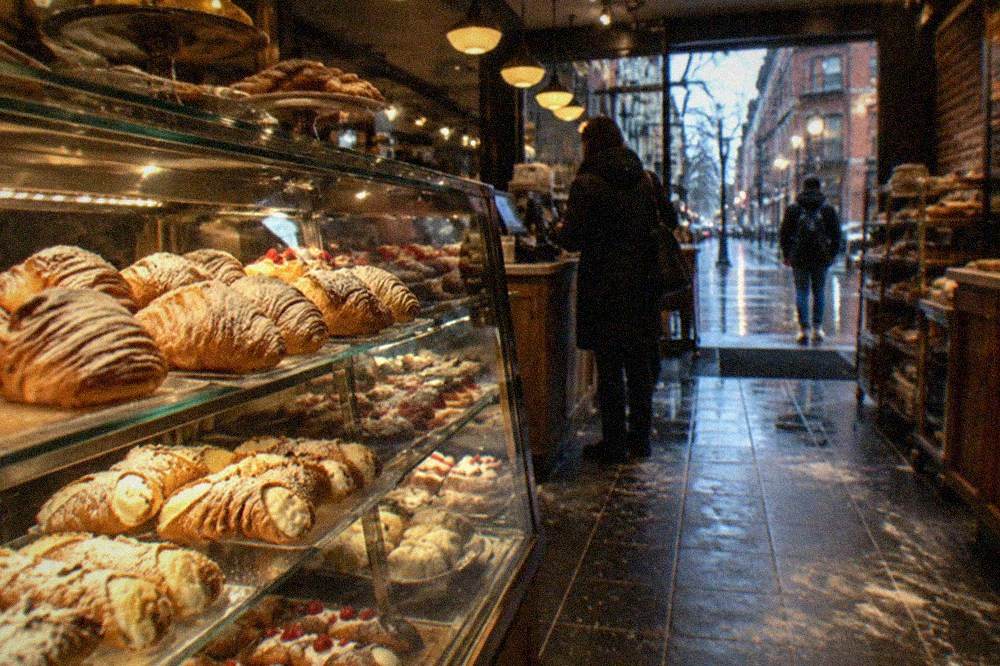
The best way to eat that history with context is the Small-Group Italian Heritage Walk, this site's flagship North End tour. It runs 2 hours, costs from $70.40 per person, and carries a 4.9 rating from 1,663 reviews, the largest review pool of any North End walk on the roster. Guides work the heritage angle as hard as the tastings, which is exactly the frame this history calls for. It often books up in peak season.
The roster reflects the neighborhood's pull. Beyond the flagship, this site lists a Pizza & Italian Classics Walk from $69 carrying a 4.8 rating from 133 reviews, a Six-Tasting Little Italy Walk from $86 at 4.8 from 306 reviews, and a Wine & Limoncello, 3-Hour Walk from $100 that holds a 5.0 from 518 reviews. The limoncello option carries an alcohol component, and Massachusetts sets the legal drinking age at 21 under state law, so adults should bring ID and families should book a tasting-only variant instead.
One practical note for anyone combining the North End with the Freedom Trail: the trail's North End stops, including the Old North Church, sit inside the same few blocks as the best pastry shops. A history-first walk that ends with cannoli is not a compromise itinerary; it is the geographically correct one.
How Did Chinatown Become Part Of Boston Food History?
Chinatown is Boston's other great immigrant food district, a compact walkable neighborhood close to downtown. Its restaurants, dumpling houses and dim sum halls represent a later chapter of the same story the North End tells: a community arriving, building a food economy, and holding it for generations. The Dumplings & Dim Sum Walk covers that ground in 2.5 hours.
The comparison is worth making explicitly because it explains Boston better than either neighborhood alone. The North End's community took root in the 1890s from a single country and region. Chinatown's grew from Cantonese banquet and dim sum traditions and then broadened across regional Chinese cooking, which is why a short walk there moves between soup dumplings, roast duck and Vietnamese pho without ever leaving a few blocks. Same immigrant-city mechanics, different menu.
For the full side-by-side, we keep a dedicated North End versus Chinatown food tour comparison, and a fuller Chinatown food tour guide for readers planning that half of the day.
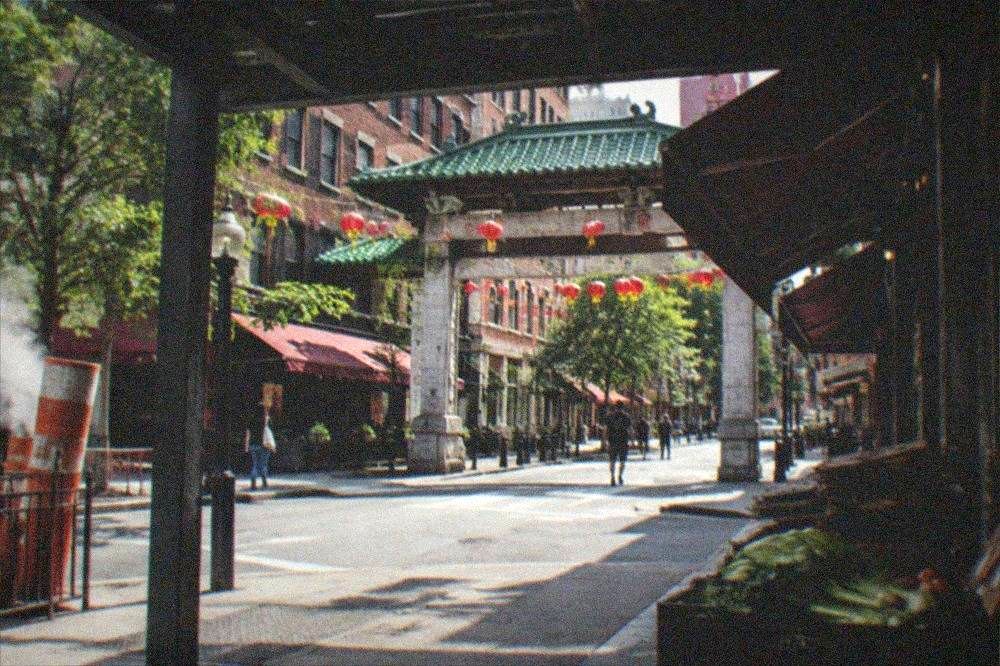
Planning-wise the two districts split a day cleanly: one belongs to the morning, the other to the afternoon. Visitors with a single day and an interest in history usually start at the Freedom Trail's downtown end, eat through the North End at midday, and save Chinatown for a dumpling dinner, which is roughly the itinerary the combo walk compresses into three hours.
The bookable version is the Dumplings & Dim Sum Walk, a 2.5-hour guided route from $135.45 per person. It carries a 5.0 rating from 22 reviews, a small pool but a perfect one, and the operator notes it often books up. It is one of only two tours on this site's roster based outside the North End, and it is the right pick when the question is how Boston's food story continued past Little Italy.
What Can You Still Experience Of Historic Boston Markets Today?
Two market experiences survive from different centuries and sit a short walk apart. Faneuil Hall and Quincy Market still operate as downtown food destinations inside their original buildings, and the Boston Public Market at 100 Hanover Street runs as a modern indoor market on the edge of the North End. Its hours are 8 AM to 6 PM Sunday through Tuesday and 8 AM to 8 PM Wednesday through Saturday, with individual vendor hours varying.
The modern market is the useful one for planning. The market's own FAQ confirms the split schedule and notes that individual vendor hours vary and some holiday adjustments apply. A Wednesday visit gives you two more evening hours than a Monday one, a real consideration if your walking day ends near the North End.
| Market | Days | Hours |
|---|---|---|
| Boston Public Market | Sunday to Tuesday | 8 AM to 6 PM |
| Boston Public Market | Wednesday to Saturday | 8 AM to 8 PM |
| Vendor stalls | Daily | Individual vendor hours vary; check the room before planning tastings |
The older pair needs no schedule flexibility, only patience. Quincy Market's colonnade fills with visitors by late morning in every season, and the food stalls inside lean tourist-heavy by design. That is not a new problem; a market hall that opened in 1826 has been adapting to foot traffic for two full centuries. History and crowds arrive together here, always have.
A practical note on sequencing: the Public Market sits at 100 Hanover Street, at the edge of the North End, which makes it the natural bridge between a downtown market morning and an afternoon on Hanover Street's Italian blocks. Because the weekday schedule shifts midweek, a Wednesday through Saturday visit buys two extra evening hours for a late vendor dinner or a pastry on the way out. Start at Faneuil Hall early, walk the Freedom Trail's downtown stretch while the guides are fresh, and let the Public Market absorb a coffee stop between neighborhoods.
How Do Food Tours Bring Boston Food History To Life?
Guided food tours convert this timeline into a route, pairing each era's landmarks with something to taste. The trio that maps most directly onto Boston food history is the Food & History Combo Walk from $135.45, the Small-Group Italian Heritage Walk from $70.40, and the Dumplings & Dim Sum Walk from $135.45. All three carry ratings of 4.9 or 5.0 with their review counts printed on their live listings.
| Tour | History chapter | Rating and reviews | Price from | Duration |
|---|---|---|---|---|
| Food & History Combo Walk | Colonial and market era, Freedom Trail | 5.0 from 45 reviews | $135.45 | 3 hours |
| Small-Group Italian Heritage Walk | North End, Italian era since the 1890s | 4.9 from 1,663 reviews | $70.40 | 2 hours |
| Dumplings & Dim Sum Walk | Chinatown and later immigration | 5.0 from 22 reviews | $135.45 | 2.5 hours |
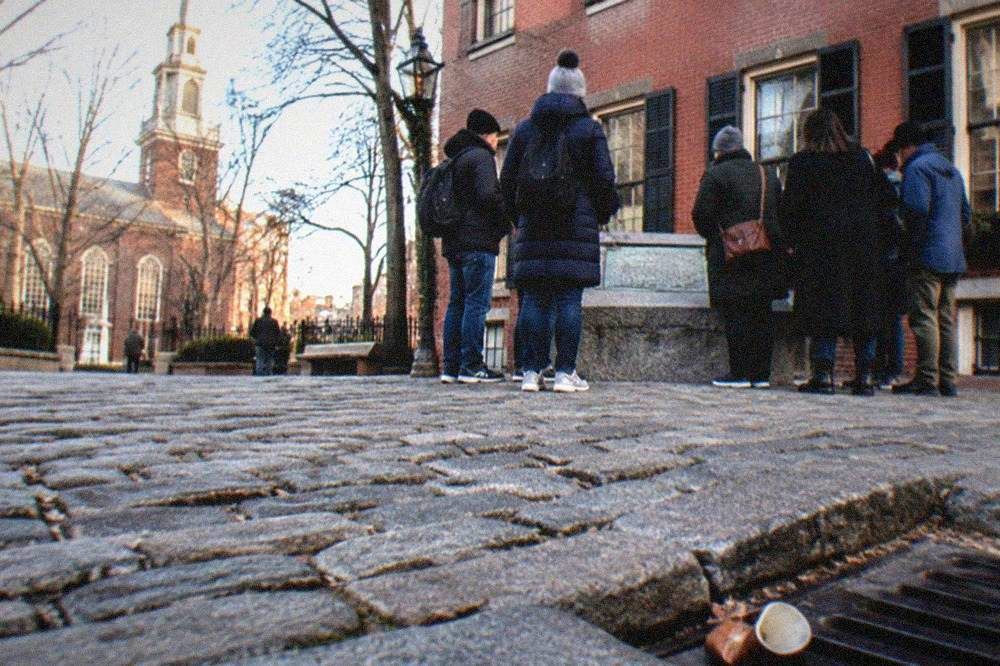
Booking pressure is real on all three. The operator flags the combo walk, the heritage walk and the Chinatown walk as tours that often book up, so weekend dates in particular reward early booking. Durations also matter for pairing: the heritage walk's 2 hours and the Chinatown walk's 2.5 hours leave room for a second neighborhood in one day, while the combo walk's 3 hours plus travel time makes it a natural single anchor for a downtown day.
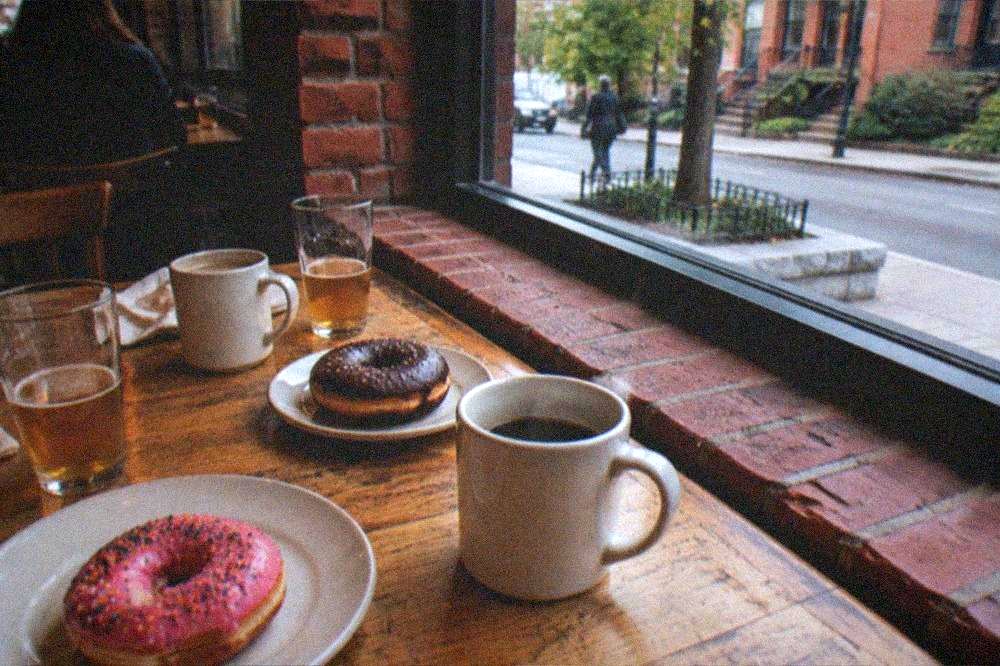
Choosing between them is mostly a question of which chapter you want to taste. History-first visitors take the combo walk; eaters who want the deepest review pool and the lowest price take the heritage walk; anyone who has already done the North End takes Chinatown. Families have a strong option too: the Downtown Donuts & Cider Tour runs 2 hours from $70 per person, carries a 5.0 rating from 1,392 reviews, and its kid-friendly angle makes it the gentlest introduction to downtown's history-adjacent food streets for children who are not yet ready for a three-hour historical route.
For readers who want to go deeper on the city's food identity beyond the historic core, our what food is Boston known for guide covers the full canonical plate, and the cost breakdown in how much Boston food tours cost helps with budgeting any of the options above.
Common Questions About Boston Food History
How did immigration shape Boston food history?
Successive waves of arrivals built the city's food culture in layers. Colonial merchants and seamen ran a wharf-based trading economy, Irish immigrants reshaped the North End in the early 1800s, and an Italian community has defined the neighborhood since the 1890s. Each wave opened shops on the same narrow streets, so the layers remain physically intact and walkable today.
What role did Faneuil Hall and Quincy Market play in Boston food history?
Faneuil Hall was built and gifted to the town in 1742 as a combined marketplace and public meeting space, expanded in 1805-1806, and is now a National Historic Landmark within Boston National Historical Park. Quincy Market, constructed 1824-1826 and opened in 1826, added permanent market scale and joined the National Register on November 13, 1966. Both still operate as food destinations in their original buildings.
Why has the North End been Italian since the 1890s?
Italian arrivals settled the North End in large numbers from the 1890s onward, joining an Irish community established earlier in the 1800s. Their bakeries, pasta makers, grocers and feast societies put down roots that lasted for generations, and the neighborhood's summer feasts and pastry rivalries continue that story. The community's food economy has now defined these blocks for well over a century.
How did Chinatown become part of Boston food history?
Chinatown grew as a later immigrant food district close to downtown, built on Cantonese banquet and dim sum traditions that later broadened across regional Chinese cooking. Like the North End, it shows the pattern of a community arriving and building a durable food economy. The Dumplings & Dim Sum Walk covers it in a 2.5-hour guided route from $135.45.
How do food tours bring Boston food history to life?
Tours map the timeline onto a walkable route with tastings at each stop. The Food & History Combo Walk pairs Freedom Trail landmarks with classic foods, the Small-Group Italian Heritage Walk covers the North End's Italian century, and the Dumplings & Dim Sum Walk handles the Chinatown chapter. Prices start at $70.40 for the heritage walk and $135.45 for the other two, and all three often book up.